


World Athletics' 2026 midpoint review shows what happens when sustainability stops being a pledge and becomes a contractual deliverable embedded in event hosting requirements.
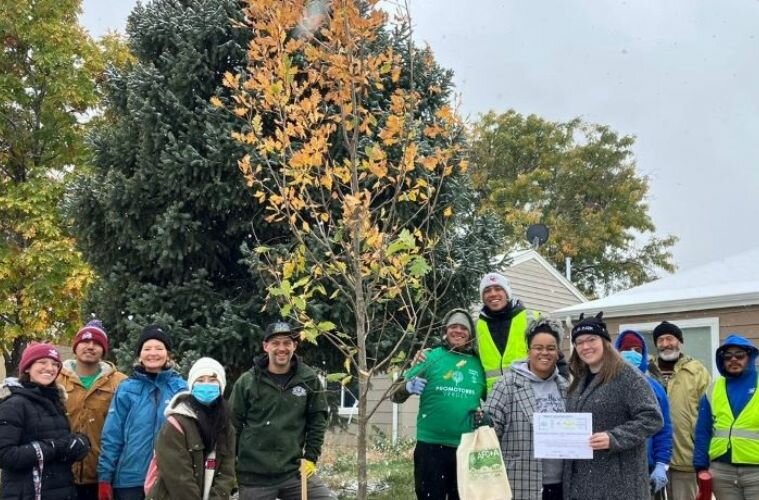
Colorado CDPHE is accepting applications for its Environmental Justice Grant Program, funding up to 10 projects in pollution-impacted communities.

Many organizations entered 2026 expecting normalization. Q2 suggests the second half will be defined by adaptation rather than recovery.
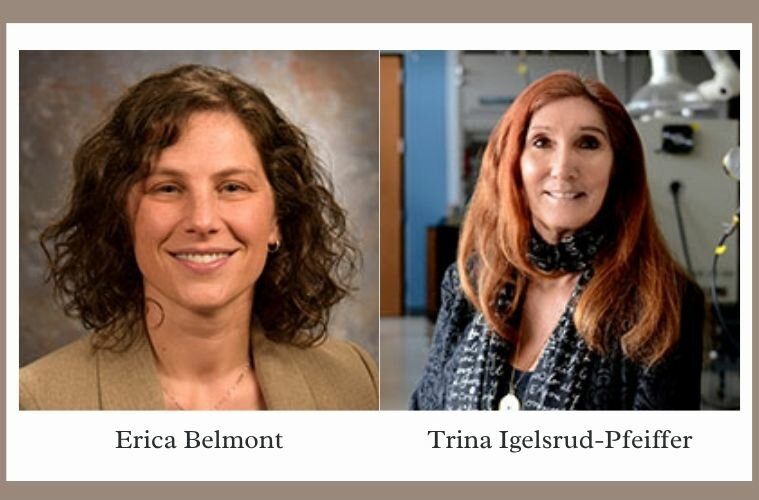
A new University of Wyoming project highlights how DOE increasingly views coal plants as platforms for critical minerals, water savings, and carbon capture.

The projects moving forward in the second half of 2026 are increasingly defined by infrastructure readiness, permitting certainty, and execution feasibility rather than projected returns alone.

Smart hydrants are giving utilities a sharper view of aging networks. McWane’s iHydrantPlus supports leak detection, pressure monitoring and faster response.
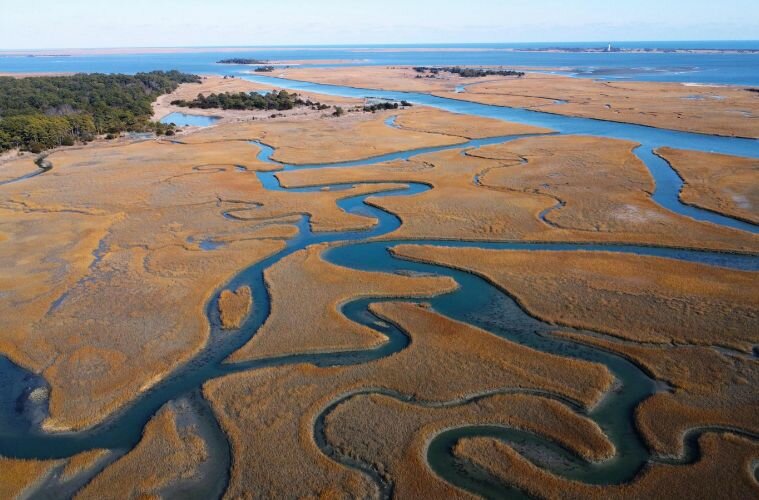
BOEM published a Request for Information June 23 on potential seabed mineral leasing off Virginia, covering 2,764 square miles near Chesapeake Bay. Comments close July 23.
Grid capacity limits, water constraints, permitting delays, and capital deployment challenges are increasingly converging on the same projects.

Power, water, permits, and capital are tightening simultaneously on the same projects. Executives need a framework for operating inside converging constraints, not resolving them one at a time.
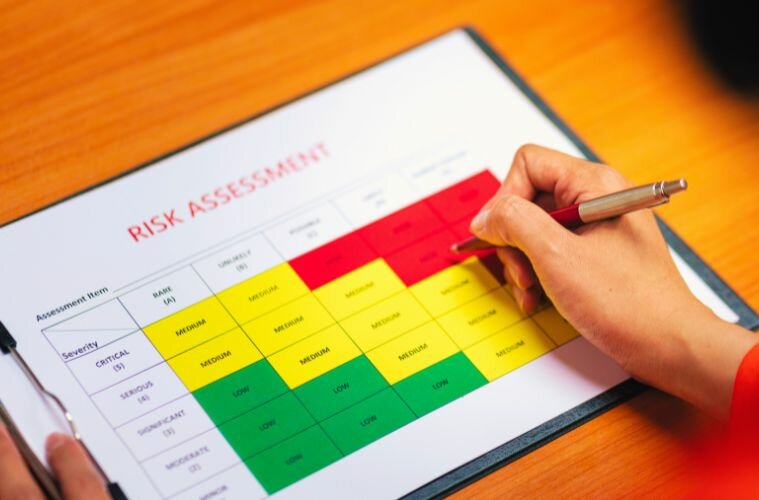
Heat enforcement, grid constraints, supply chain exposure, and AI infrastructure demands altered corporate risk profiles in Q2. Many companies are still operating from outdated assumptions.

The EEA's 2025 bathing water report shows 85% of EU sites rated excellent, but river quality lags and new EU rules expand monitoring for PFAS and microplastics.

EHS, facilities, procurement, and sustainability each left something unresolved in Q2. Here is what each function needs to close before the second half starts.
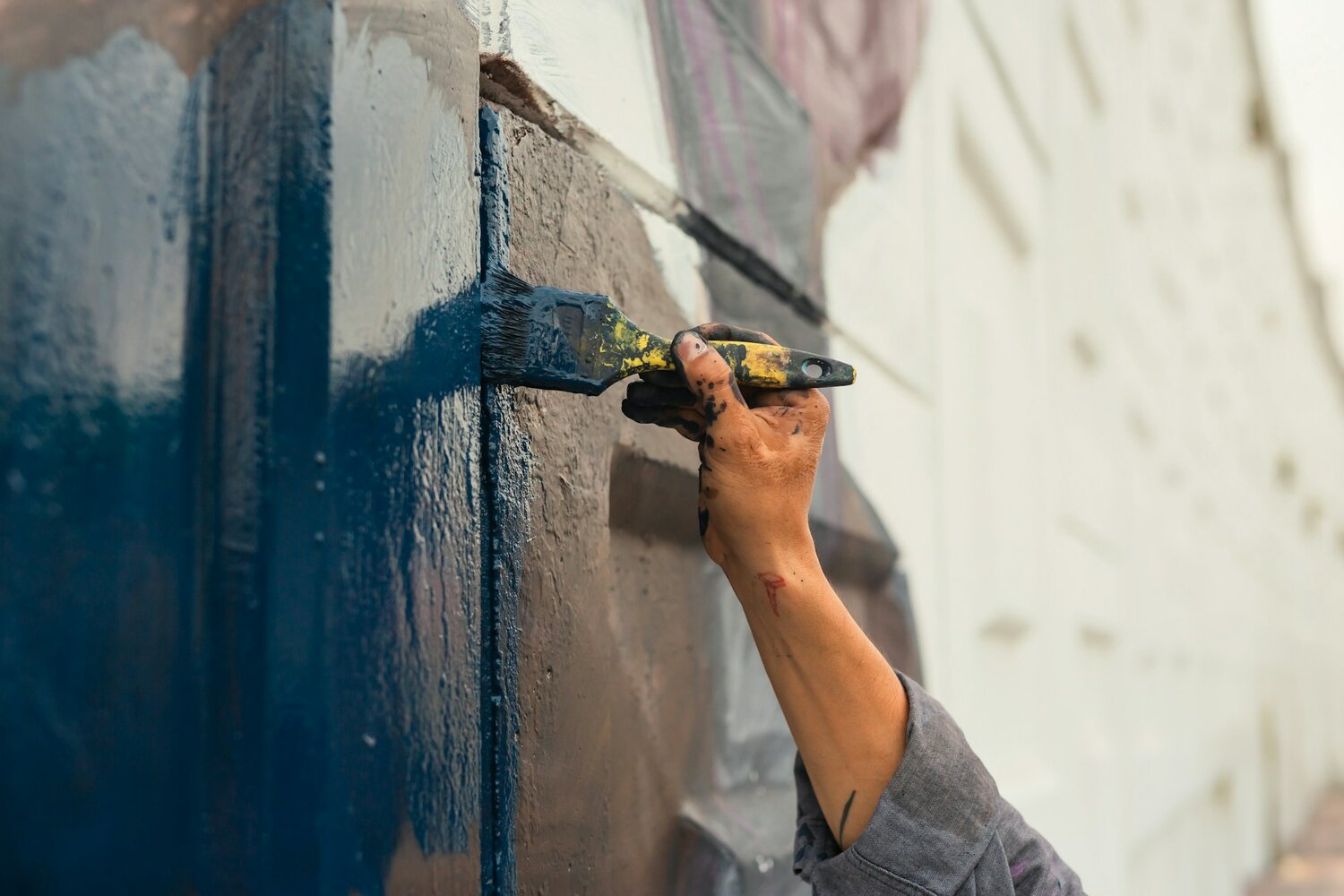
Silicone hull paint beat copper coatings in European tests. The findings could reshape antifouling choices for boatyards, marinas and paint suppliers.

The Global Environment Facility's latest funding cycle prioritizes biodiversity, climate resilience, water management, and clean energy projects through 2030.
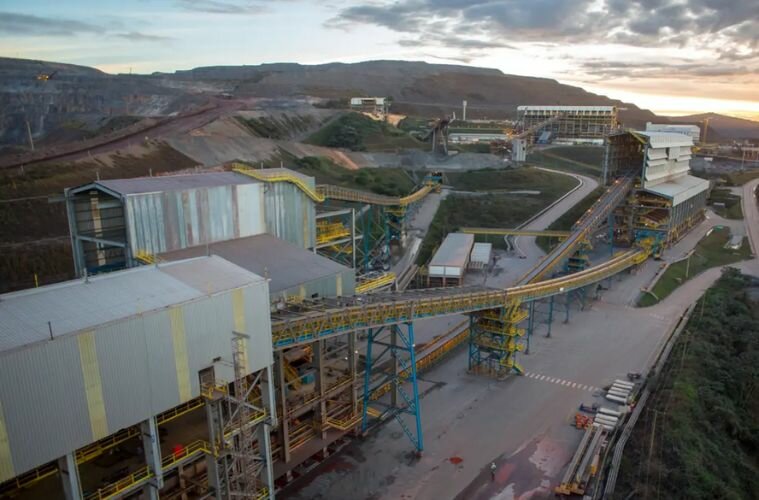
Vale reports a 25% productivity gain at its AI-integrated Conceição 2 plant in Brazil, with a 40% increase in direct reduction pellet feed output and a 26% drop in iron lost to waste.
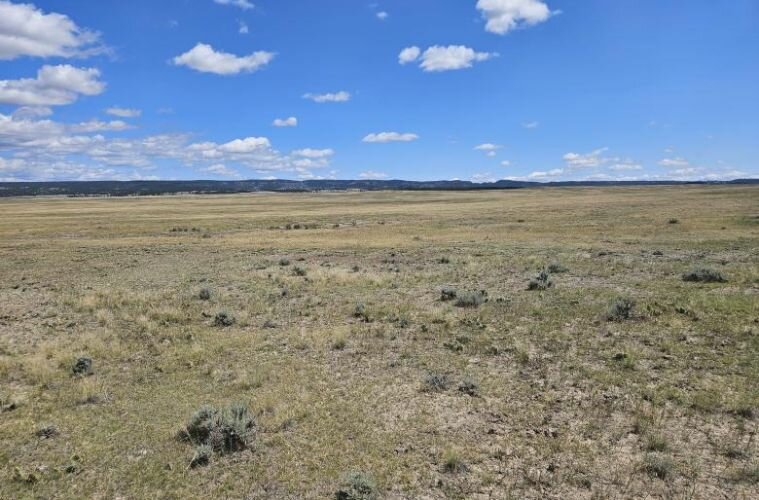
The BLM approved initial infrastructure for the Dewey-Burdock uranium project, advancing a long-debated in-situ recovery development in South Dakota.
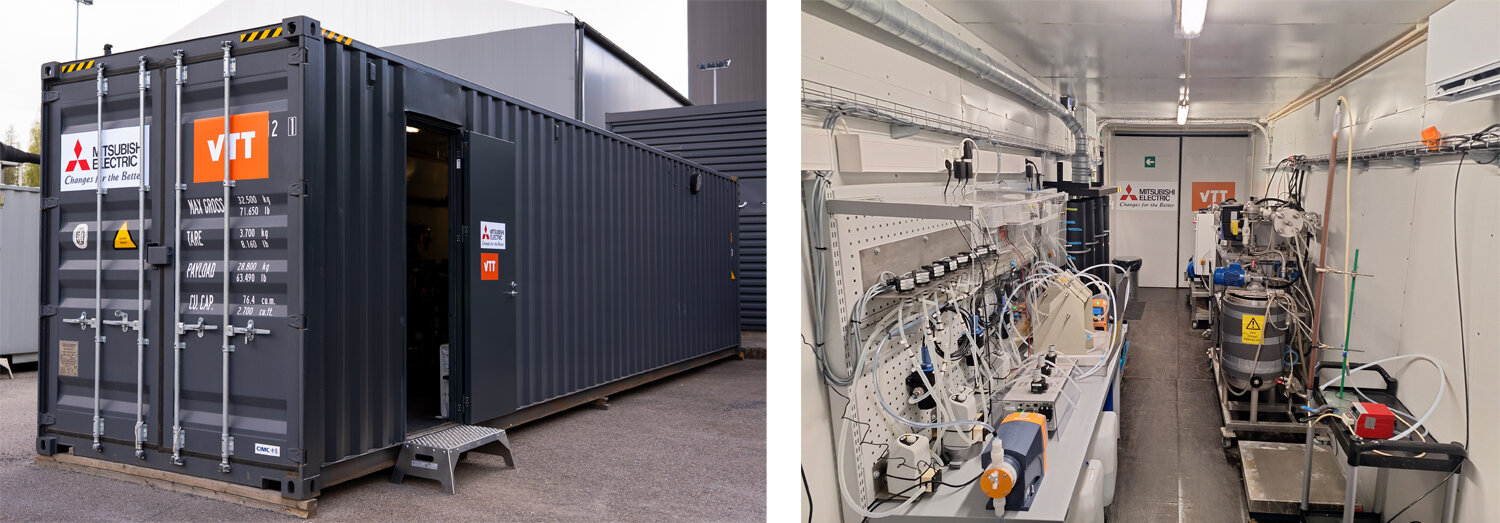
Mitsubishi Electric and VTT are preparing a direct ocean capture system for coastal trials. The work could test seawater's role in scalable carbon removal.

A federal appeals court declined to halt a North Carolina water permit for the Mountain Valley Southgate pipeline, reinforcing agency discretion in environmental reviews.
Two Arizona rate cases approved increases of up to 300% for small rural water systems with aging infrastructure, reflecting a national pattern Pew and AWWA research puts at $2.1 trillion in need by 2050.

Twenty-one percent of supply chain leaders still operate without real-time visibility into disruptions affecting their suppliers