

Public buyers now test concrete and steel against carbon declarations. Three state programs show where supplier paperwork can stall a 2027 bid.

UC San Diego and the Guam Contractors Association are bringing specialized safety courses to Guam and preparing local professionals to become OSHA-authorized trainers.

South Korean semiconductor high schools are tying technical training to industry jobs as chip exports surge and manufacturers plan new production capacity.

Construction hiring remains difficult even as parts of the market soften, and operations leaders must test crew availability before 2027 schedules.

A North Carolina High School's remote-learning day follows weeks of mold closures, rising costs and unresolved questions about district HVAC and humidity oversight.

New Nature research identifies a recurring tropical-Antarctic climate link that could improve understanding of ice variability and sea-level risk.

PacWave South offers a new model for energy development by giving companies pre-permitted, grid-connected infrastructure for testing emerging technologies.

Montana Tech's first environmental engineering camp gives high school students hands-on experience as demand for environmental talent continues to grow.

U.S. infrastructure investment is colliding with skilled labor demand, and Switzerland and Germany show how workforce development becomes strategy.

California's building electrification push is changing the skills facilities teams need to operate heat pumps, electrical systems and low-carbon buildings.

UT and MD Anderson researchers report early biological changes from microplastic exposure before visible tissue damage, as cancer research continues.

New research is shifting space-based solar power from theoretical generation toward harder questions about power beaming, regulation and grid integration.

Bioeconomy strategies are expanding in 76 countries, but new research finds governance gaps around land, genetic resources, data and benefit sharing.

Denver Public Schools is adding 25 electric buses as grant funding shifts the fleet decision from upfront cost toward long-term operating economics.

A year after federal research funding was suspended, UCLA researchers say staffing losses, delayed grants, and hiring freezes continue to affect science.

A Hefei, China study finds urban trees and shrubs each add different pollutants, nitrogen, phosphorus, organic carbon, to rainfall passing through canopies.

Rodale is betting $139 million on moving 10 million U.S. acres into organic production. Farmer economics and clear tracking will decide if it works in practice.
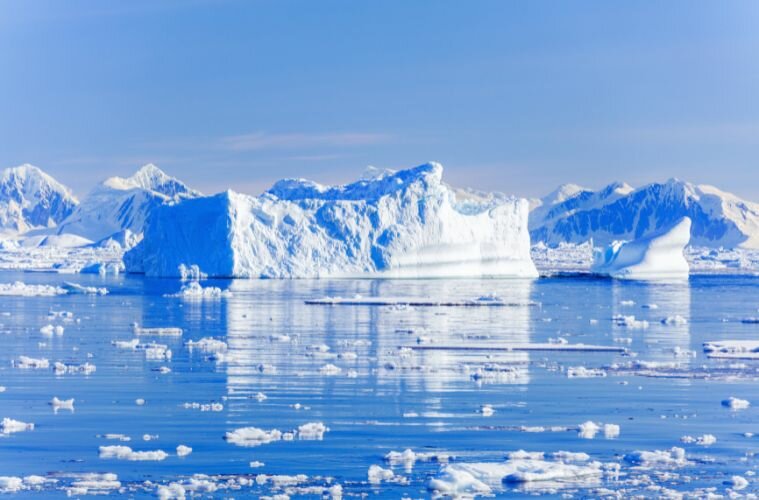
A peer-reviewed study in The Cryosphere is the first to directly attribute a major Antarctic glacier's retreat to human-driven warming, with effects projected to continue for centuries.
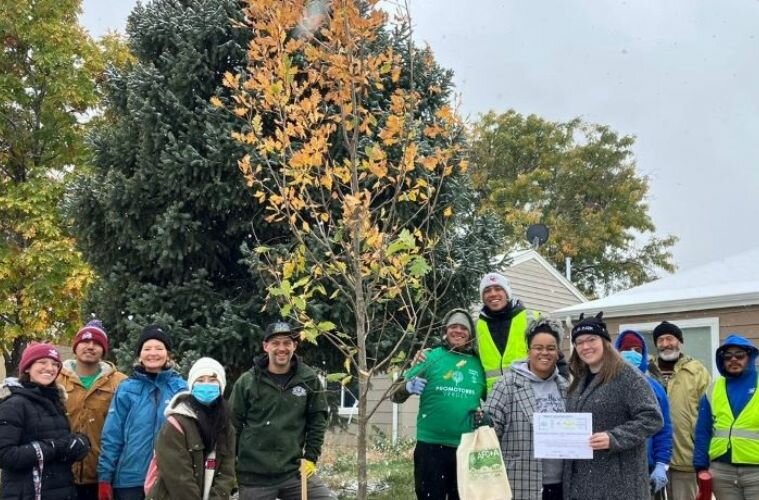
Colorado CDPHE is accepting applications for its Environmental Justice Grant Program, funding up to 10 projects in pollution-impacted communities.
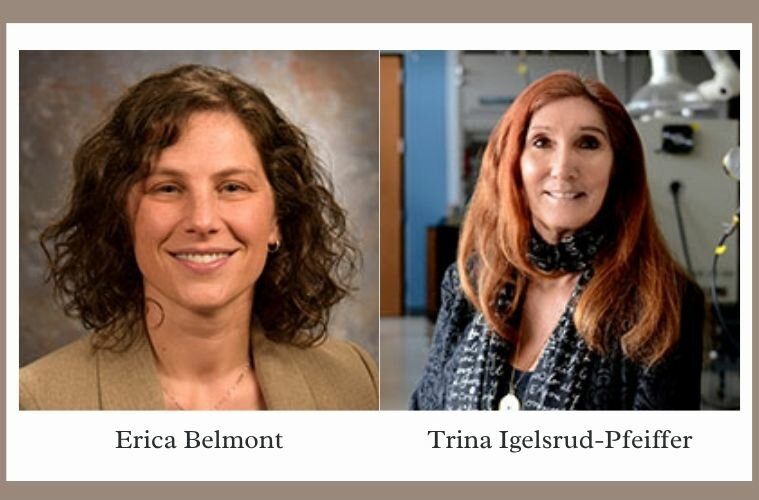
A new University of Wyoming project highlights how DOE increasingly views coal plants as platforms for critical minerals, water savings, and carbon capture.