

Ozinga's new Indiana mill adds 1 million tons of slag cement capacity. Cost, supply reliability and carbon savings will determine its market impact.

C.H. Robinson’s RXO deal could expand carrier access and tech reach. It may also reduce competition and increase integration risk for major shippers.

Peabody moved Wyoming coal to Vietnam through Mexico's Port of Guaymas, testing a Pacific export route that still lacks disclosed costs or contracts.

Satellite radar, laser scanning and GPR helped researchers identify ground movement along Seoul's Bundang Line. The approach could help operators target checks.

SUPERPAN is testing ultralight thermoplastic panels for transport. The project links recyclability, automation and lower energy use in production across plants.
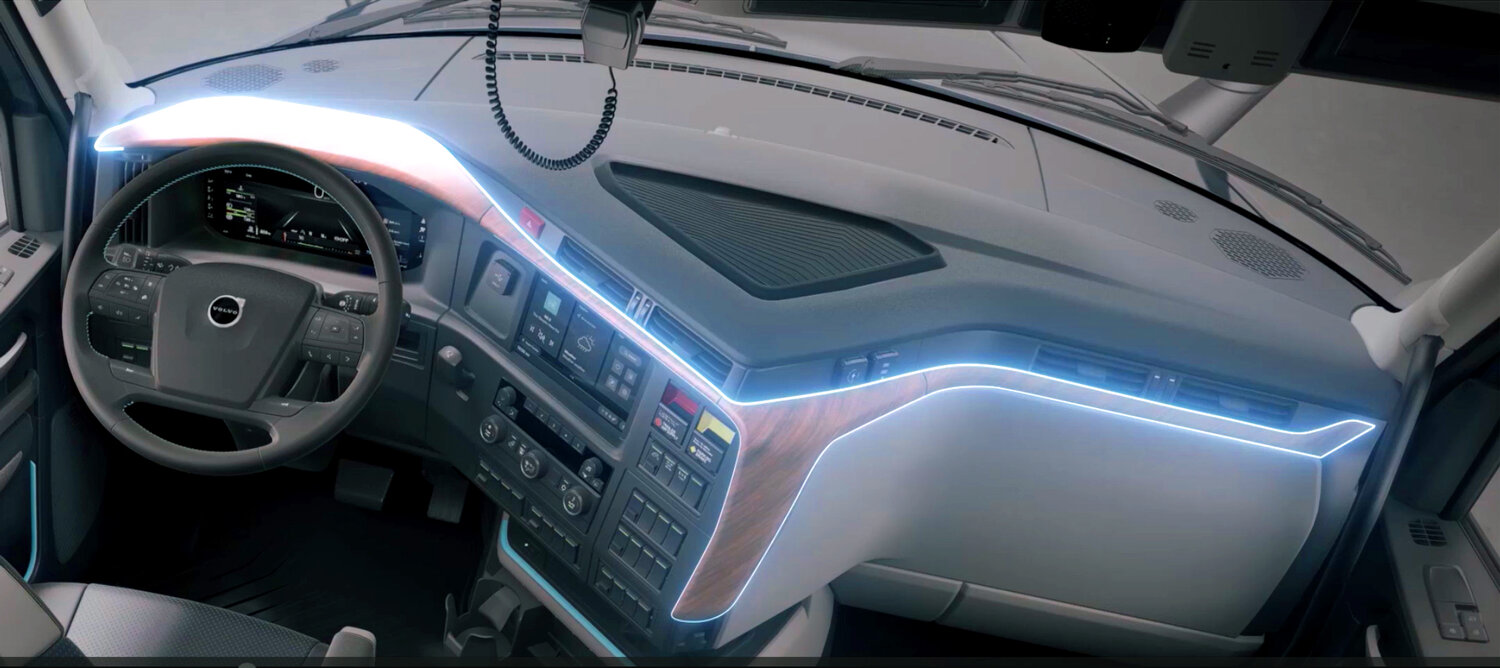
Volvo is putting greener materials inside its newest truck cabs. The move brings recycled plastics, fibers and certified wood into VNL and VNR models.
Rock Tech’s Victory option adds lithium upside in Northwestern Ontario. The deal supports its push to link exploration with future conversion capacity.
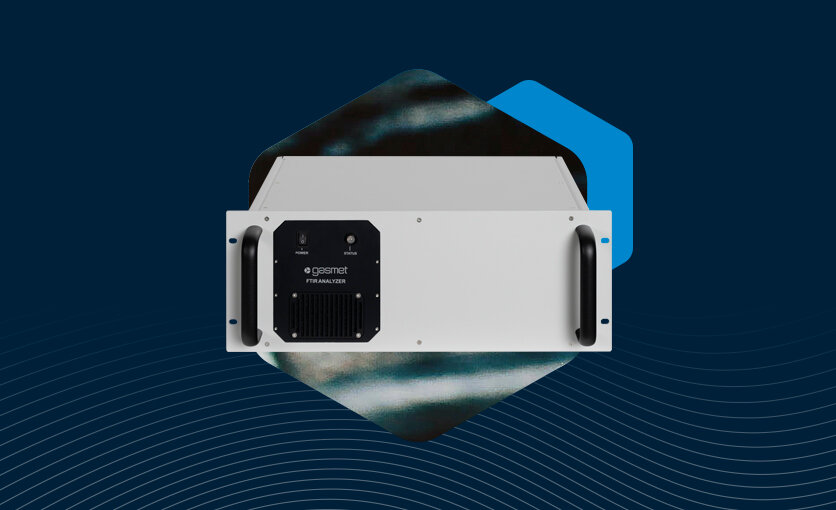
Gasmet’s GT7000 Tellus brings multi-gas FTIR analysis to fixed setups. It supports teams tracking emissions, CO₂ purity and process change.
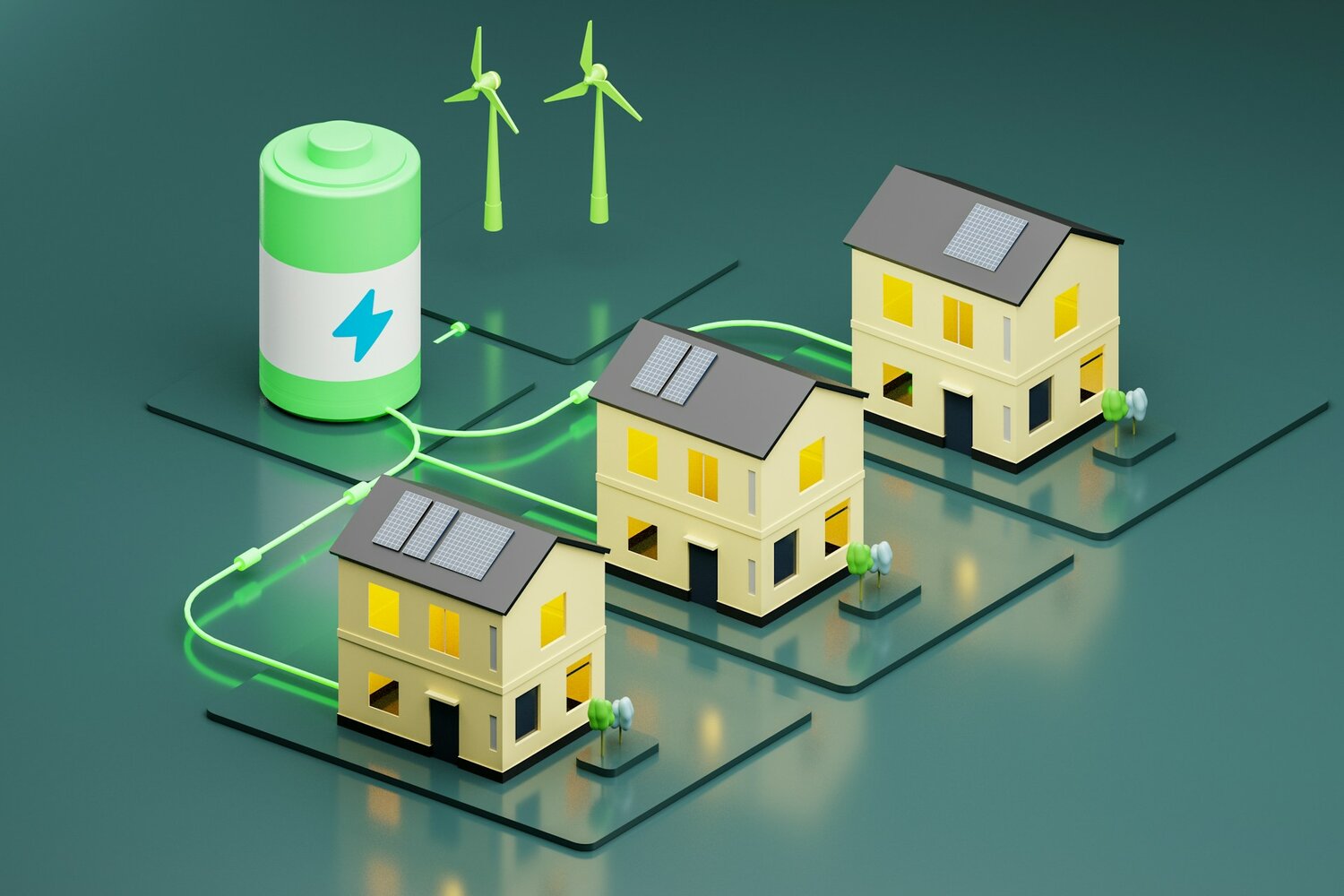
Prevalon’s HD5 AC shifts more storage work into the factory. The system is built to reduce field complexity, commissioning delays and project risk.
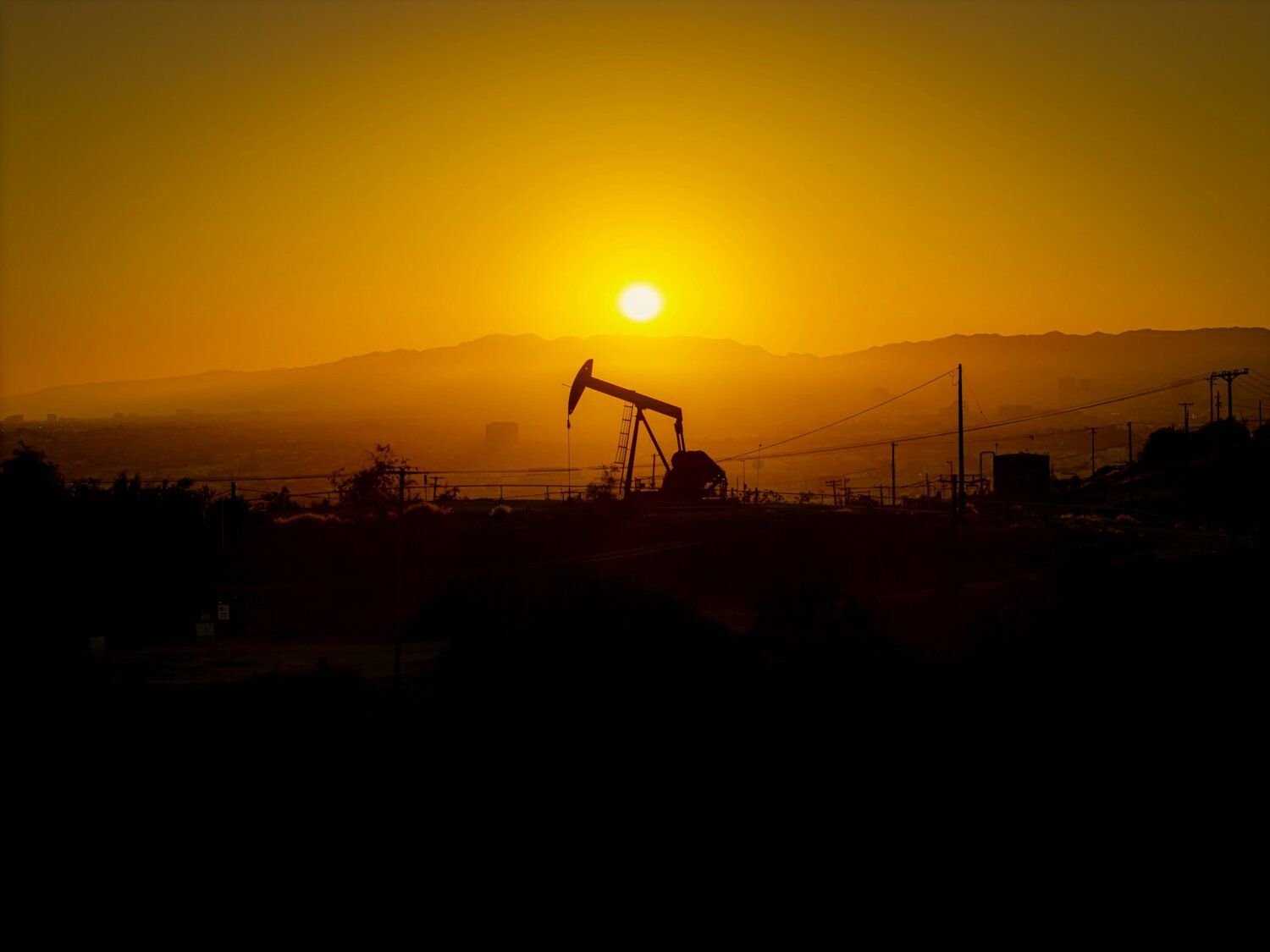
Aging wells often move to smaller operators. New research says these transfers could leave cleanup costs harder to fund.
ETI has launched a hydrogen truck for long-haul freight. It tests whether fuel cells can handle payload, range, and refueling limits at scale.
BNSF's new five-year agreement with TCU covers 746 intermodal workers at four critical hubs, offering a stability signal for supply chain operators tracking rail risk.

Trump's reshoring push, AI disruption, and a 500,000-worker skilled trades gap are converging — and infrastructure decarbonization is caught in the middle.

New York’s coldest winter in decades stress-tested renewable diesel. City fleets and critical facilities saw no fuel disruptions.
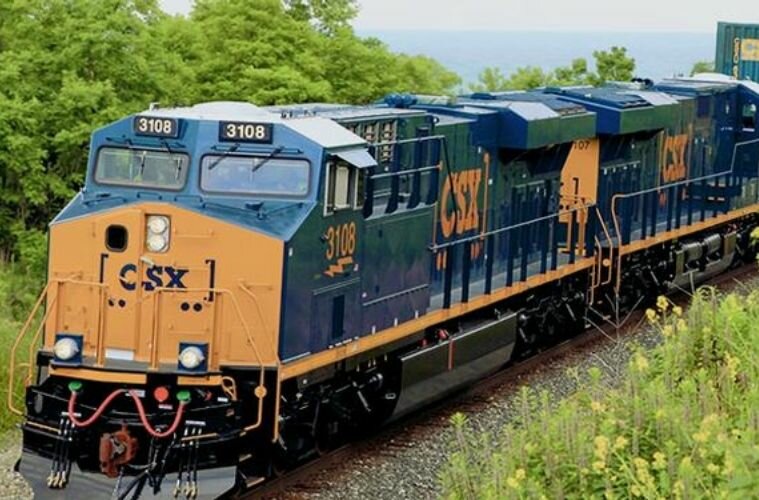
The $670M deal will upgrade locomotives with AC traction and digital systems to improve reliability, fuel efficiency, and rail network performance.

Physical logistics limits are reshaping sourcing, inventory placement, and customer commitments earlier than planning cycles anticipated.

South Koreans are ready to pay for cleaner freight. A new study finds strong public support—and funding potential—for hydrogen fuel cell trucks.

In Serbia, infrastructure is being redefined by ESG. From metro lines to low-carbon concrete, projects now aim to deliver both climate and community impact.
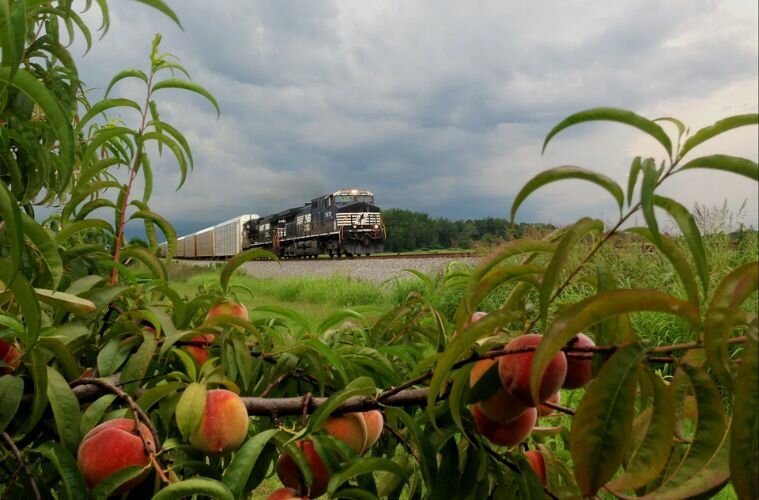
Union Pacific and Norfolk Southern filed an STB merger application to create the first U.S. transcontinental railroad, citing competition, efficiency, and emissions benefits.
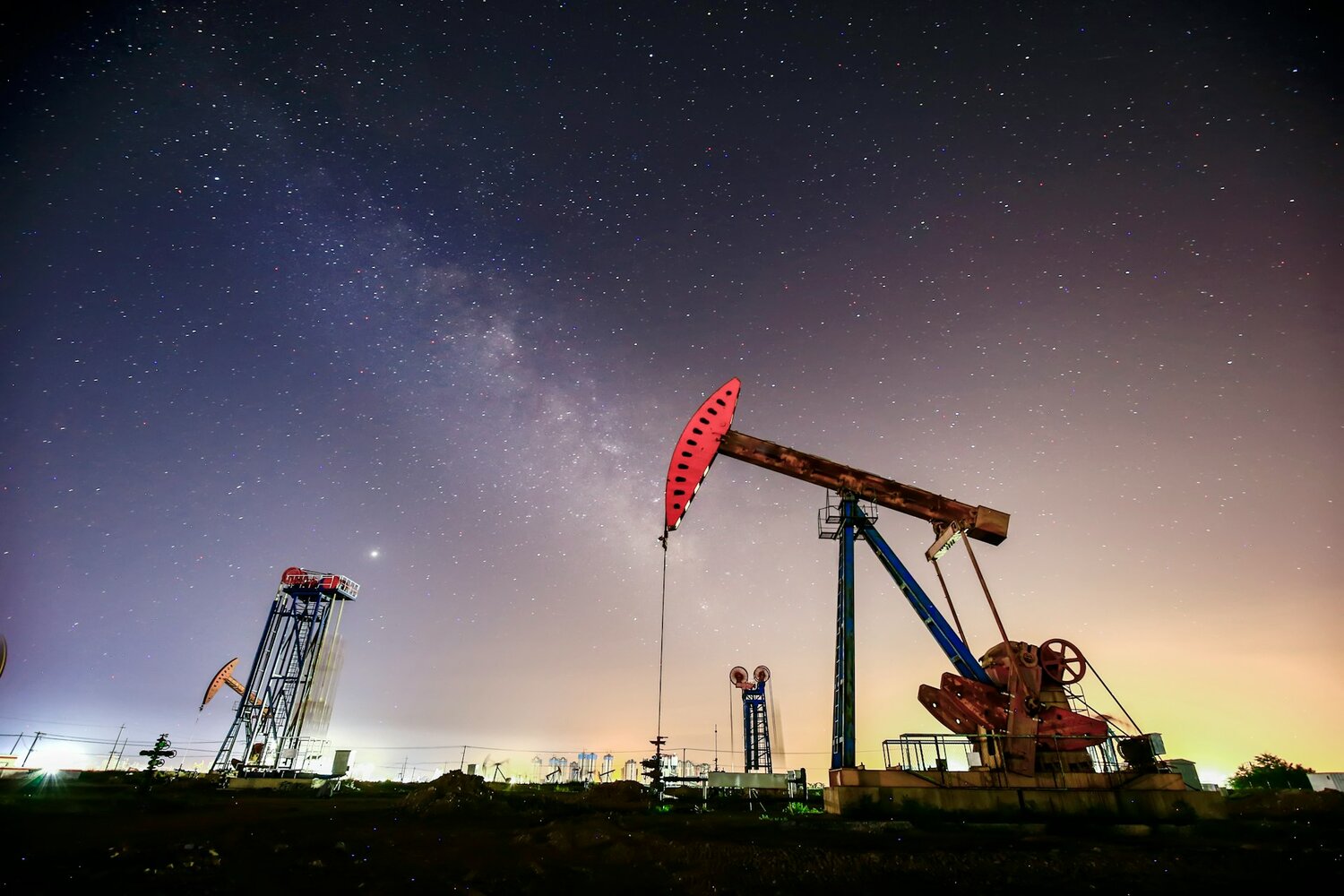
Big Oil brands itself as climate-conscious, but emissions cuts and clean energy spending still lag. For business, the gap between words and action is a risk.