

A 2026 ocean freight method update broke year-on-year comparability. Reporting teams need to separate calculation effects from real logistics gains.

Ozinga's new Indiana mill adds 1 million tons of slag cement capacity. Cost, supply reliability and carbon savings will determine its market impact.

C.H. Robinson’s RXO deal could expand carrier access and tech reach. It may also reduce competition and increase integration risk for major shippers.

Clean-fuel technology is advancing, but investment is slowing. Regulatory uncertainty and weaker demand threaten shipping's 2030 emissions targets.

A temporary 500 MW transformer could give Rotterdam port companies earlier grid access, but capacity, eligibility and connection dates remain unconfirmed.

The revised Ocean Investment Protocol, published Sept. 21, asks central banks and supervisors to assess ocean-related financial risk.

K Shipbuilding and Lloyd's Register are developing a 50,000 deadweight ton ethanol fueled tanker, testing whether ethanol can work for medium range routes.

Electric vessels can arrive before ports are ready to power them. Tidal Transit is testing mobile battery storage to close that charging gap as local grids lag.

Yara's new Sluiskil carbon capture facility can handle 800,000 tons of CO2 annually, linking Dutch ammonia production with Norwegian storage.

Maryland opened bidding for Key Bridge demolition work, the second of four rebuild contracts in a $4.3B to $5.2B project set to open by late 2030.

EPS is expanding Orca AI across dozens more vessels after a pilot reduced close encounters. The wider rollout will test whether those gains hold at fleet scale.

Ocean freight contracts are increasingly passing bunker, emissions and regulatory fuel costs to shippers through adjustable surcharges and formulas.

A greener MOF process could lower energy use and production expenses. Birmingham researchers say it still removes more than 90% of lead from contaminated water.

Tiny robots could help pull lithium from seawater. Texas A&M researchers are testing whether the idea can deliver usable supply at a realistic cost and scale up.

Port of Brisbane added battery storage and solar to its cruise terminal, testing whether ports can shift from generating clean power to managing grid demand.

TANAKA’s 500-kW fuel cell system is now running at its Shonan site. The project will test hydrogen’s cost, reliability and role in plant power under real loads.
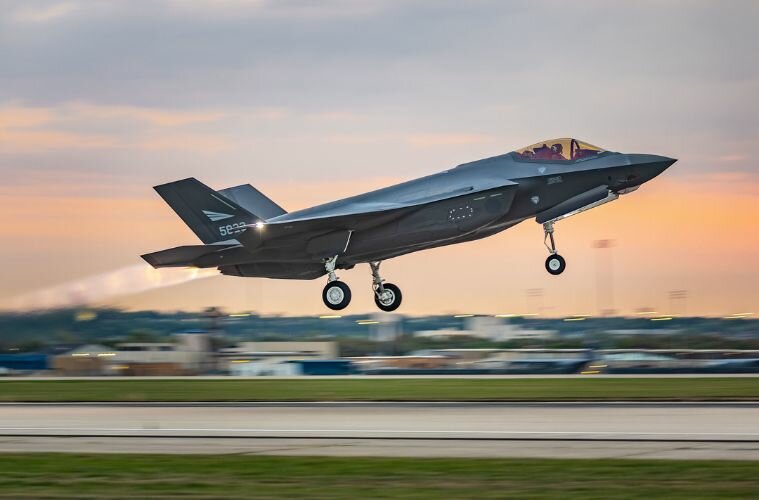
NATO's new 5% GDP spending target could add millions of tonnes of emissions yearly, an SGR analysis finds, as the alliance's own climate targets stall.

Silicone hull paint beat copper coatings in European tests. The findings could reshape antifouling choices for boatyards, marinas and paint suppliers.

Rare Element Resources reports Bear Lodge is tracking toward March 2028 federal permitting completion under FAST-41, with its Wyoming separation demonstration plant targeting late summer 2026.

A UK consortium validated a floating hydrogen hub delivering 5MW of clean shore power to docked ships with no grid connection, cutting years off typical port electrification timelines.