Mitsubishi Electric and
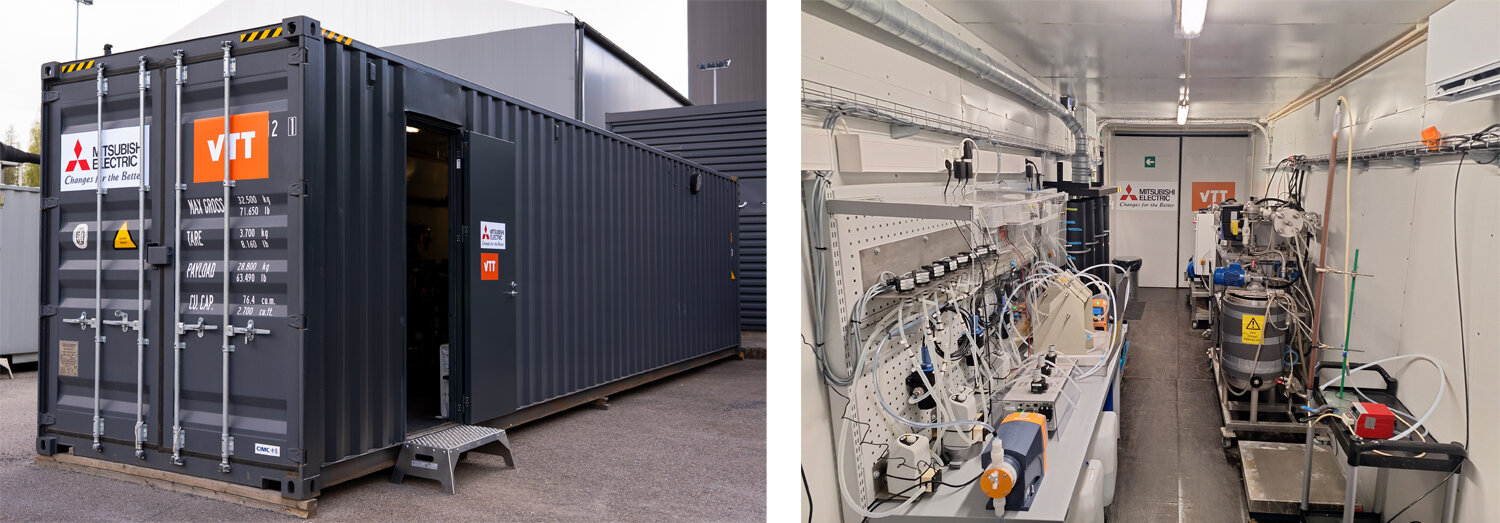
VTT Technical Research Centre of Finland have completed core development of a direct ocean capture system, moving the project closer to demonstration in coastal conditions.
The system is designed to remove carbon dioxide through seawater rather than through air or industrial exhaust streams. That makes it part of the growing
marine carbon dioxide removal market, where developers are testing whether the ocean’s natural carbon sink role can be used in a controlled and measurable way.
Direct ocean capture works by lowering the concentration of dissolved inorganic carbon in seawater. Once that carbon is removed, the treated seawater can take up more carbon dioxide from the atmosphere over time.
The approach is gaining attention because seawater holds a much higher concentration of
carbon dioxide than air by volume. That could create efficiency advantages when compared with some direct air capture systems. However, the commercial case is still far from settled. Energy use, project cost, marine permitting, long-term monitoring and carbon accounting will all need to be tested at scale.
Mitsubishi Electric and VTT are using an acidification-based electrochemical process. Hydrogen ions are added to intake seawater, temporarily increasing acidity so dissolved carbon dioxide can be released as a gas and captured.
Unlike systems that lock carbon into solid mineral carbonates, this method may support both carbon storage and carbon utilization. Potential end uses could include synthetic fuels or industrial feedstocks, although those value chains will need separate validation before they become part of a bankable project model.
Existing Seawater Infrastructure Could Shape the Business Case
A key part of the project is its focus on infrastructure that already handles large seawater volumes. Desalination plants, power stations and other coastal facilities could provide access to existing intake and outflow systems, reducing the need to build every part of a project from scratch.
That matters for the next phase of carbon removal. Strong chemistry is not enough on its own. Developers also need sites, grid access, permitting routes, operating partners and a business model that can survive beyond a pilot.
The companies are also assessing whether valuable materials can be recovered from seawater during the carbon removal process. If that proves practical, it could add another revenue stream and improve project economics. For now, it remains an area for further testing rather than a guaranteed commercial advantage.
The next step is coastal field validation. This phase is expected to show how the system performs outside controlled development settings and whether it can be integrated into real operating environments.
For Mitsubishi Electric, the project sits within its broader sustainability and commercialization strategy. For VTT, it reflects an applied research pathway aimed at moving early-stage technology closer to deployment.
The bigger question is whether direct ocean capture can become a credible part of the carbon removal market. The upcoming demonstration phase should provide a clearer view of performance, cost, environmental controls and the level of partner support needed to move from concept to commercial project.