

Ireland's CRU now requires data center developers to prove a credible renewable energy plan before connecting, replacing a broad regional grid approach.
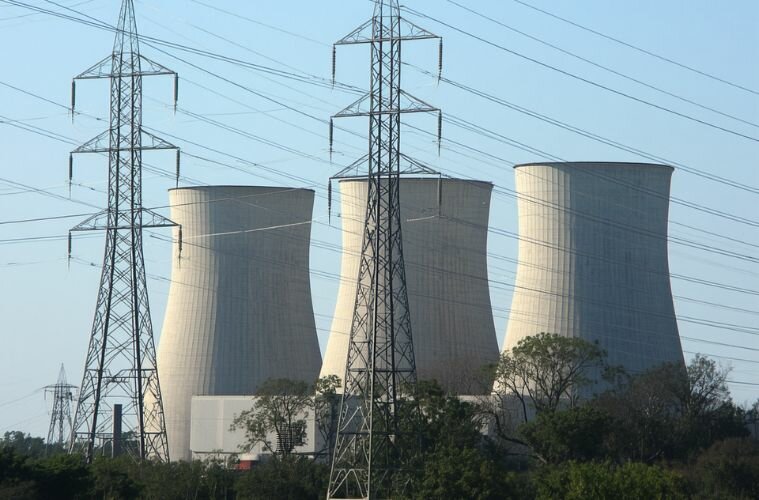
Missouri and Indiana now require utilities to secure replacement capacity before retiring power plants, as PJM and MISO warn of tightening reserve margins.

North Carolina approved $244 million for water projects after receiving $1.6 billion in requests, showing the gap between infrastructure needs and funding.

Manufacturers in South Korea, Brazil, and India are expanding transformer capacity as grid growth turns electrical equipment into a strategic industry.
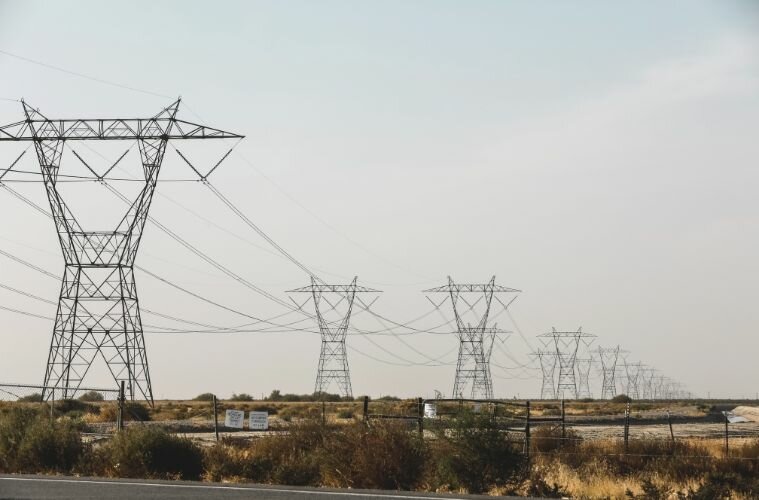
NERC cut elevated-risk grid regions from six to three for summer 2026 on record resource additions, but DOE orders are keeping some coal plants online too.

The Center for Rural Affairs is suing the United States after EPA terminated its $62.45 million Solar for All grant following a repeal of IRA funding.
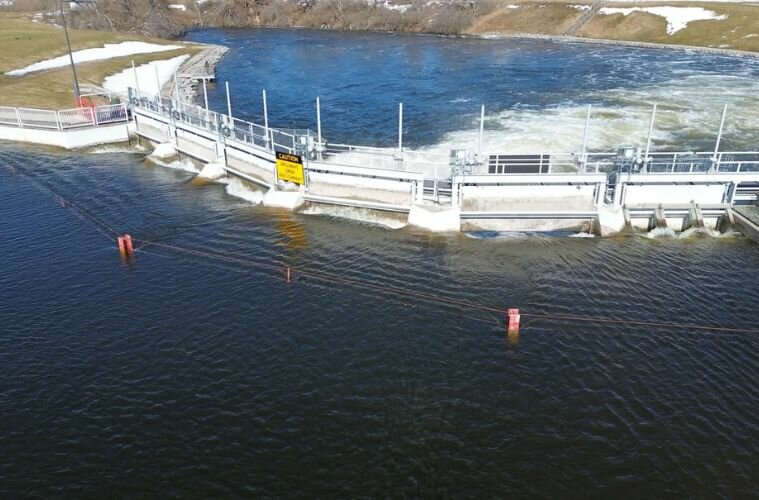
A Bridge Michigan investigation found 100,000 residents live downstream of deteriorating dams, a pattern repeating in states across the country.

Africa's transmission networks are falling behind power demand, renewable generation, and the industrial corridors governments hope to develop.

ERCOT's new Batch Zero framework, the first ISO in the nation to use a batch process, will decide how large loads access scarce grid capacity.

A Wyoming Supreme Court ruling affirms that counties can use land-use zoning, not just environmental permitting, to protect drinking water sources.

New York paused new data center permits under Executive Order 62 while the state completes an environmental review and community investment framework.

India's electricity demand is outpacing transmission buildout, creating grid connection risk for manufacturers evaluating the country for new facilities.

Georgia regulators are investigating whether data centers on Georgia Power's Real-Time Pricing rate are shifting fuel costs onto residential customers.
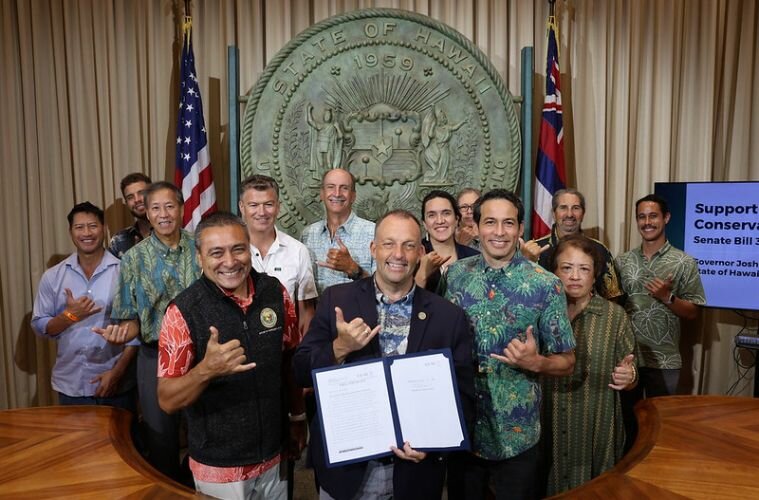
Hawaii formally recognized the Hawaii Conservation Sanctuary, a nonprofit modeled on New Zealand's Zealandia, for endangered species recovery work.

Vietnam and Malaysia are expanding transmission capacity in anticipation of future semiconductor demand, treating grid readiness as industrial strategy.

A climate science critic now leads the USGCRP, the federal program behind the National Climate Assessment that underpins infrastructure risk planning.

Illinois' HB 4456 authorizes utility discount eligibility up to 300% of the poverty level, financed through fixed charges on business accounts as well.

FERC's July 23 conference on PJM governance follows warnings the grid operator is "too big to function," adding new timeline risk for large-load projects.

Colorado's Local IMPACT Accelerator is funding all-electric building codes in six jurisdictions, each required to exceed the newly adopted statewide MLECC.

NATO's new 5% GDP spending target could add millions of tonnes of emissions yearly, an SGR analysis finds, as the alliance's own climate targets stall.