

Autodesk, IDEXX, and others team up for a 30 MW solar deal in Sicily. The project shows how pooled buying helps mid-sized firms access utility-scale renewables.

Renewable natural gas offers a scalable, cost-effective path to fleet decarbonization—using existing infrastructure and U.S.-produced waste-to-fuel solutions.

PHMSA is moving to data-driven pipeline oversight while opening a national LNG safety center in Louisiana. The changes aim to modernize U.S. energy regulation.

The Army’s shared contract with NORESCO upgrades global facilities without upfront costs. The plan cuts waste, modernizes bases, and boosts mission readiness.
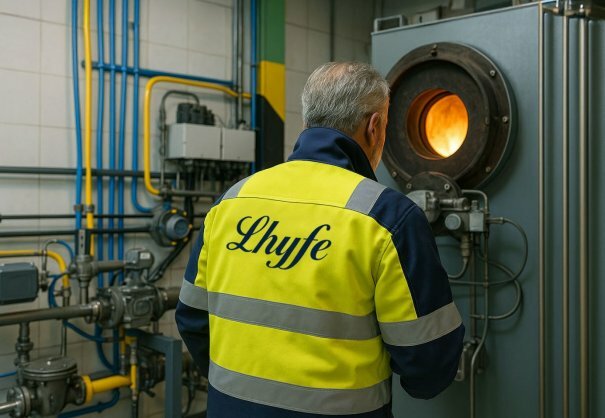
Lhyfe proves green hydrogen can fully replace natural gas in heavy industry. Spain’s ceramics plants hit 1550°C using zero-carbon fuel without big overhauls.

Lumo’s Smurfs-branded electric train highlights sustainable rail travel, emitting 25 times less CO2 than flying between London and Edinburgh.

Zebra mussels found in Ethel Lake raise ecological and economic concerns for Minnesota, with risks to native species, infrastructure, and lake recreation.

Washington’s $4B ferry electrification plan faces delays, high costs, and new scrutiny as lawmakers weigh emissions goals against practical tradeoffs.

Parker Hannifin acquires Curtis Instruments for $1B, expanding its electrification portfolio in EV and hybrid control systems and accelerating growth in sustainable mobility markets.

Hydrogen power is heading to the docks. Proteus Energy’s marine fuel cell system offers zero-emission performance with industrial backing.

Demolition work begins July 7 on the remnants of the Francis Scott Key Bridge, marking a major milestone in Maryland’s effort to restore one of its most critical infrastructure links.

The Port of Albany earns top marks from Green Marine, setting a regional example for sustainable port operations and environmental performance.
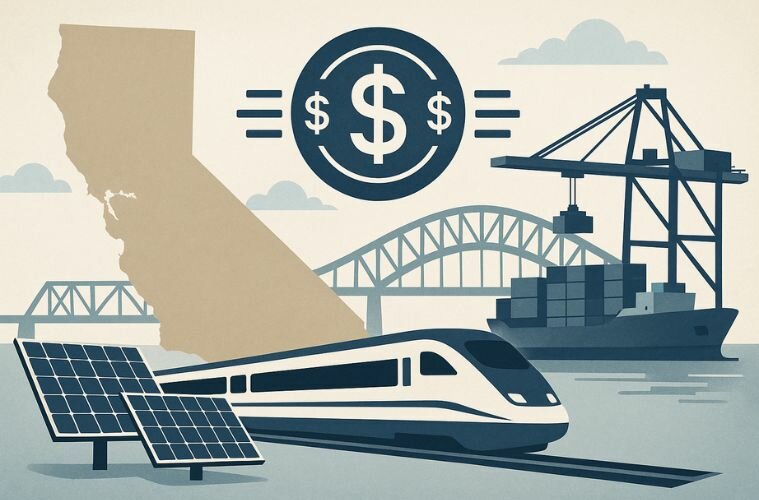
California Senate advances resolution urging federal protection of key infrastructure and climate investments amid growing political and economic uncertainty.

Brooklyn Navy Yard is opening 30 new spots for EV charging. The move supports NYC’s green goals and growing demand for clean transport.
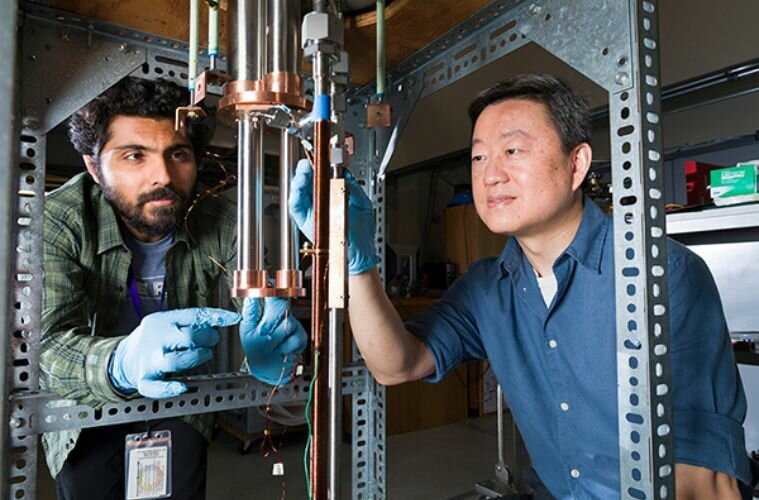
FAMU-FSU engineers unveil an integrated cryogenic hydrogen storage and cooling system powering a rapid zero-emission aviation toward commercial reality by 2035.
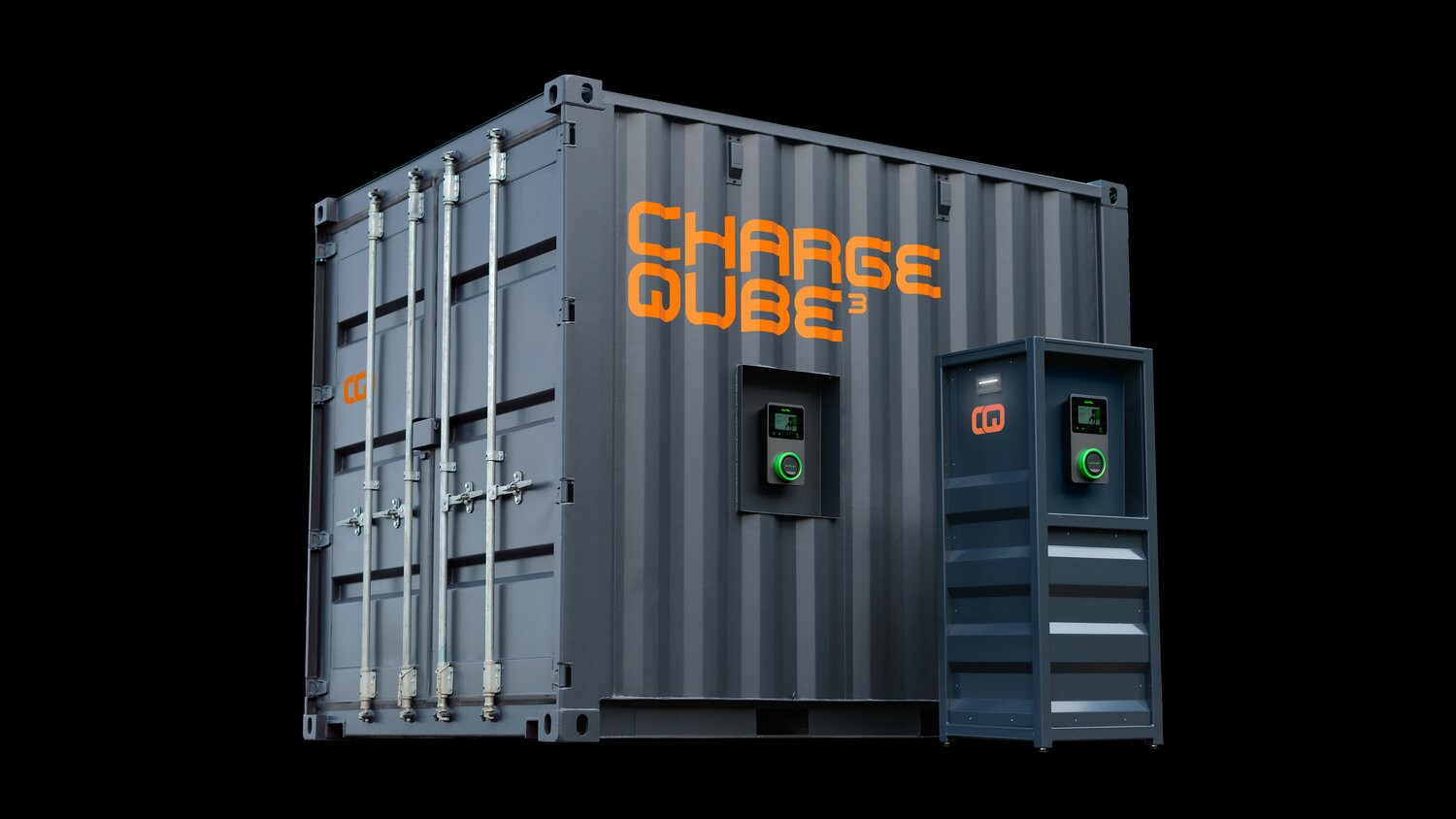
Addressing grid limitations, the Charge Qube delivers flexible EV charging via second-life batteries—supporting clean fleets, remote sites, and low-emission compliance.

Cavotec secures an $8.75 contract for shore power systems, advancing clean tech and sustainable shipping with cable reels and weatherproof enclosures for container vessels.

A new tire made with 70% recycled materials and a tech upgrade for tracking aim to cut waste and improve how fleets manage upkeep.
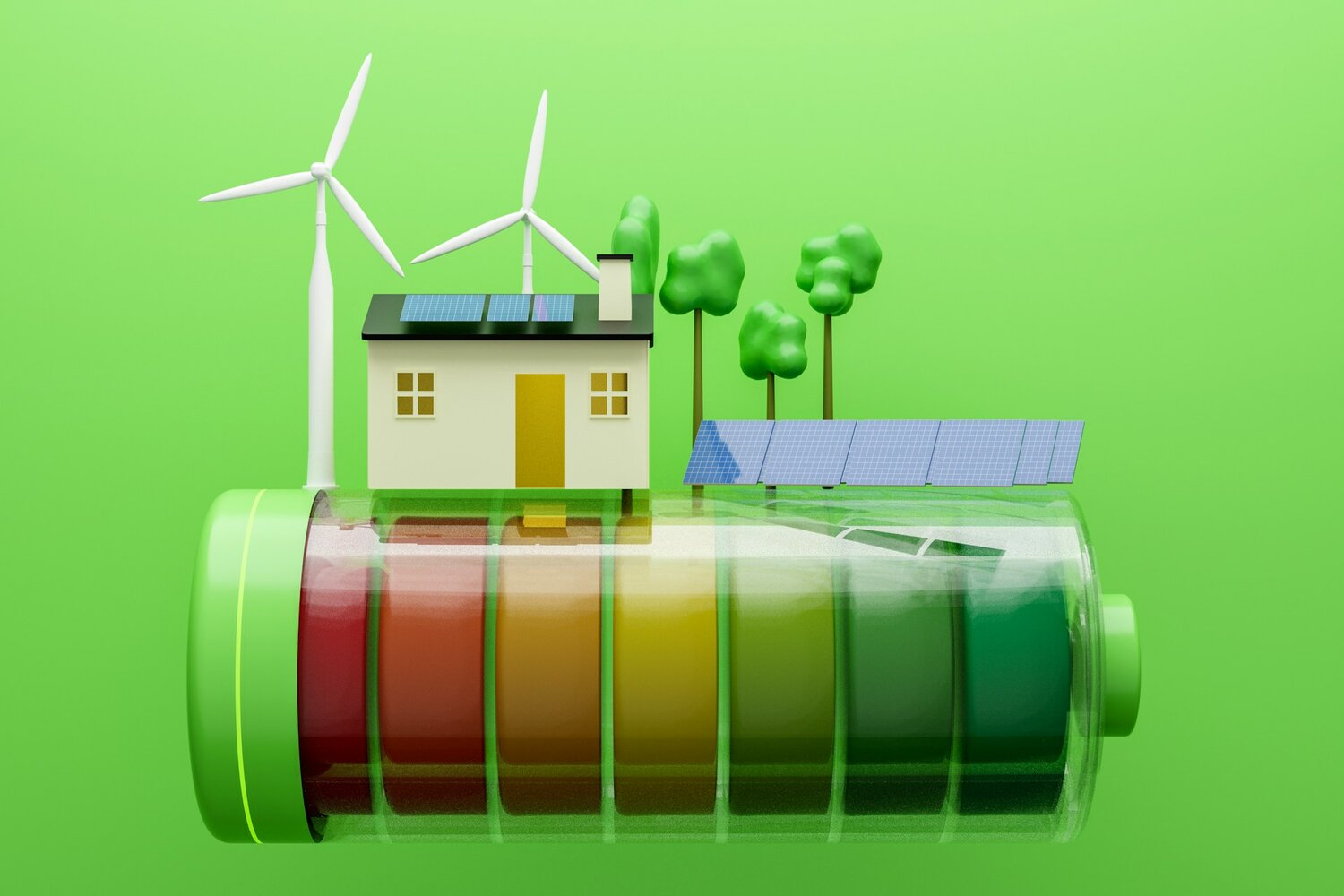
Geopolitical and economic hurdles are dampening short-term energy optimism. Yet, the sector remains focused on long-term sustainability goals.
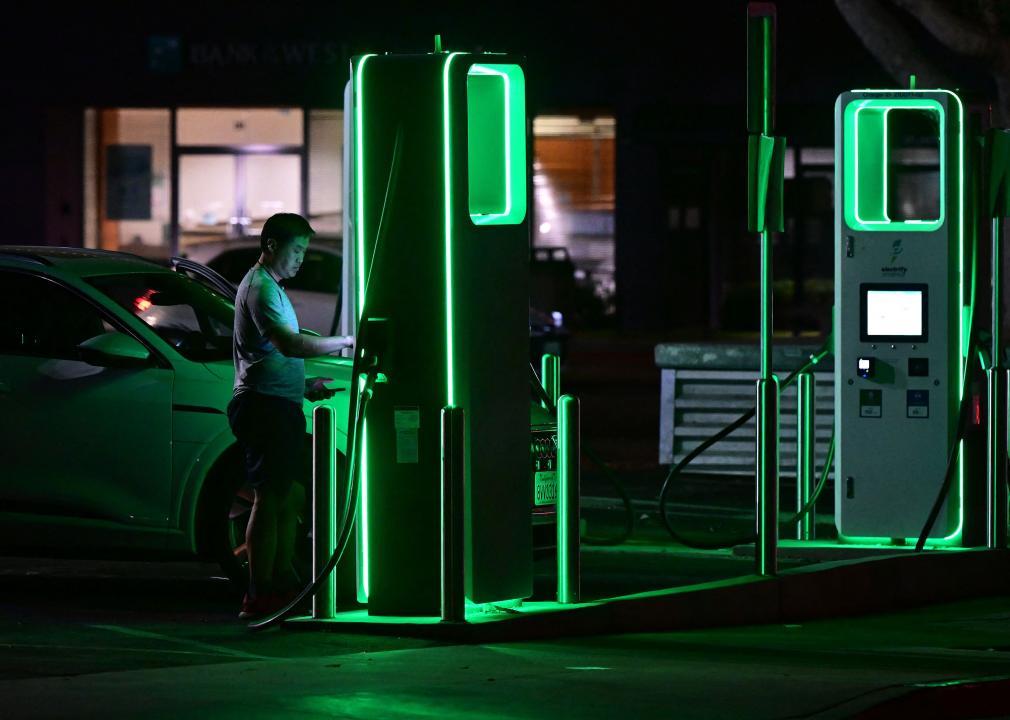
Using data from the Department of Energy and Tax Foundation, Stacker ranked states from the least to most hospitable for electric vehicle ownership.