

New York paused new data center permits under Executive Order 62 while the state completes an environmental review and community investment framework.

Georgia regulators are investigating whether data centers on Georgia Power's Real-Time Pricing rate are shifting fuel costs onto residential customers.

Airengy and Nobian are studying a Danish salt cavern for energy storage. The project could store 2.5 GWh and supply 3 MW to 10 MW over long periods when needed.
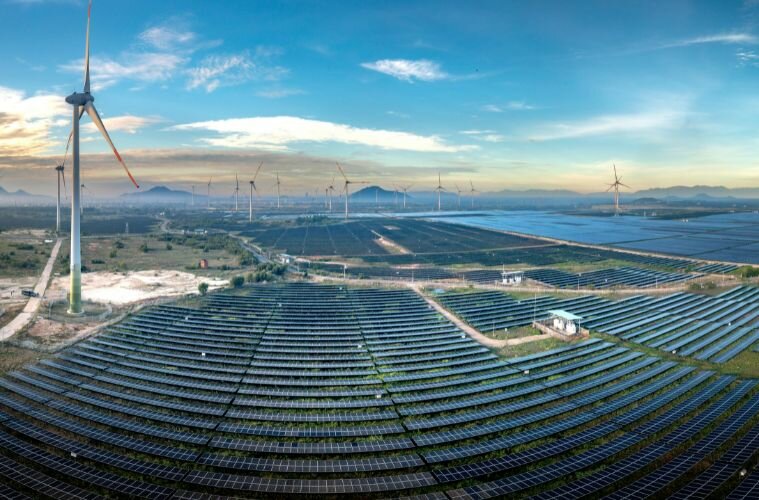
Vietnam and Malaysia are expanding transmission capacity in anticipation of future semiconductor demand, treating grid readiness as industrial strategy.

Ireland, Germany, and the Netherlands are rationing grid connections despite growing power supply, forcing site selection toward regions with capacity.

FERC's July 23 conference on PJM governance follows warnings the grid operator is "too big to function," adding new timeline risk for large-load projects.

Treasury now expects to finalize 45Z clean fuel tax credit regulations in November, extending uncertainty for renewable fuel projects and investment planning.

Tax incentives are sliding down site selection checklists as states compete on power availability, and several are already rebuilding programs around it.
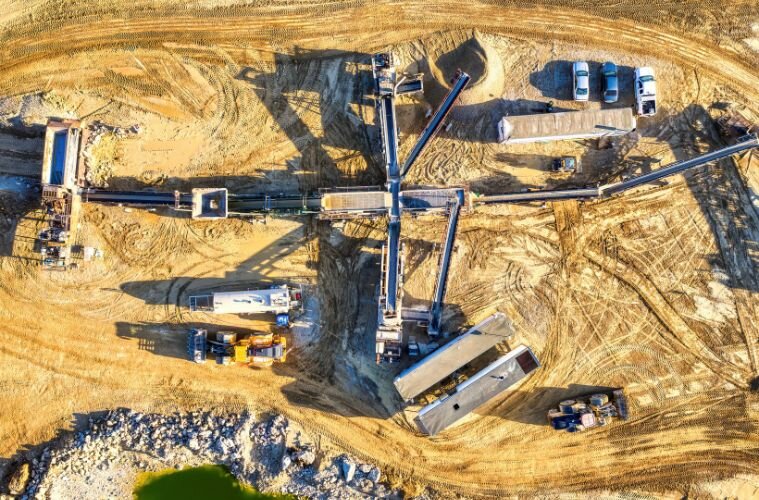
Power constraints can delay facility openings, increase carrying costs, and force expensive temporary power investments that reshape project economics for CFOs.

Data centers are absorbing grid capacity that manufacturers need for expansion, forcing executives to treat power access as a site selection variable.
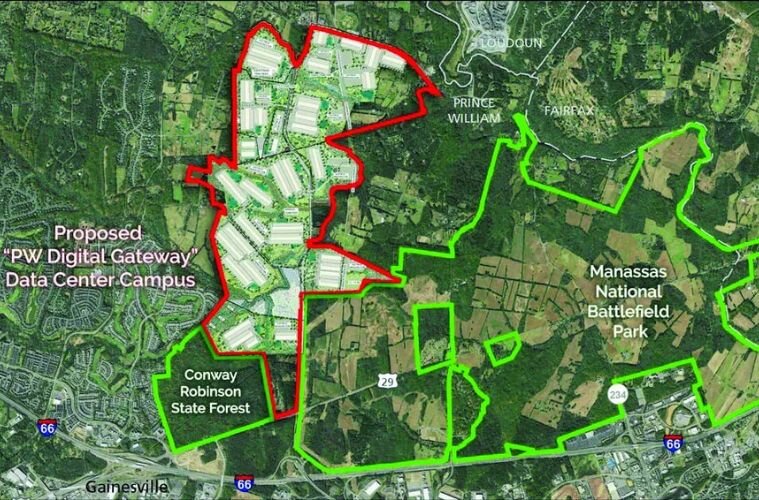
Blackstone's QTS dropped its final appeal, terminating pursuit of a 2,100-acre Virginia data center campus after courts voided the project's rezoning approvals.
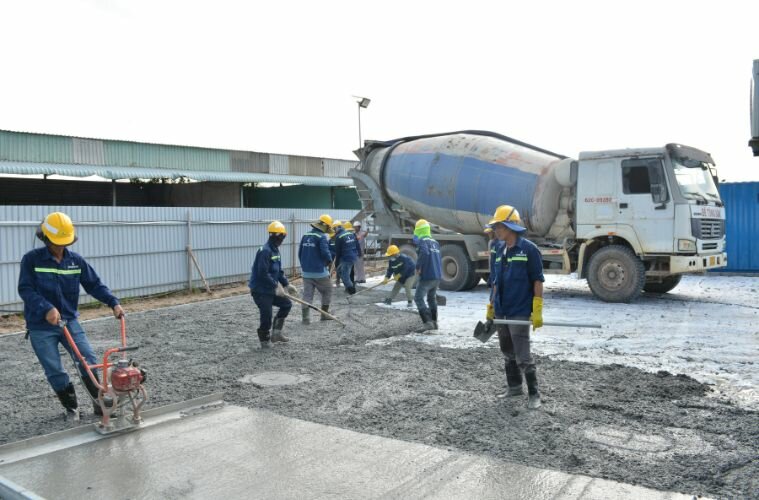
As skilled trades shortages narrow the contractor pool, procurement teams face a workforce constraint they didn't create and can't negotiate their way out of.

CFOs entering Q3 face a triage question: which infrastructure-dependent projects can actually execute on their original timelines, and what changes next.

AI plans often stall before models ever run. OpsGuru’s AWS lakehouse aims to help enterprises turn fragmented data into governed AI-ready systems.

Infrastructure constraints on power, water and permits are structural, not cyclical. Executives still planning around their resolution are planning for an environment that doesn't exist.

Speakers at London Climate Action Week said cities, businesses, and regional coalitions are increasingly driving climate action ahead of COP31.

Grid queues, water access, permitting risk and capital timing are converging on the same projects. That is changing how executives plan for Q3.

Many organizations entered 2026 expecting normalization. Q2 suggests the second half will be defined by adaptation rather than recovery.

For years, organizations optimized for efficiency. In today's operating environment, excess capacity is increasingly becoming a strategic asset organizations can't quickly replicate.
For years, uncertainty justified delay. Increasingly, uncertainty itself is becoming the cost organizations can no longer afford to absorb.