
DOE selected TerraSpark Energy Campus in Grant County, West Virginia for up to $18.5 million to advance engineering and permitting for a 1.6 GW coal-with-carbon-capture project.
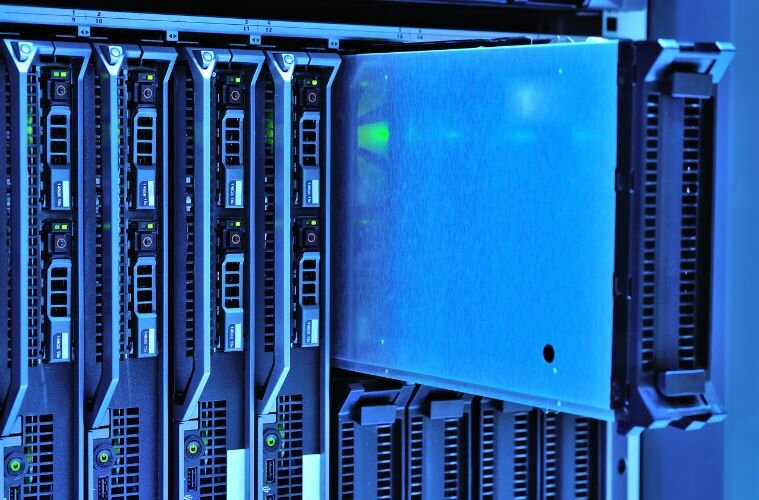
The Justice Department seeks dismissal of an NAACP Clean Air Act lawsuit against xAI, raising broader questions about enforcement authority and AI infrastructure.
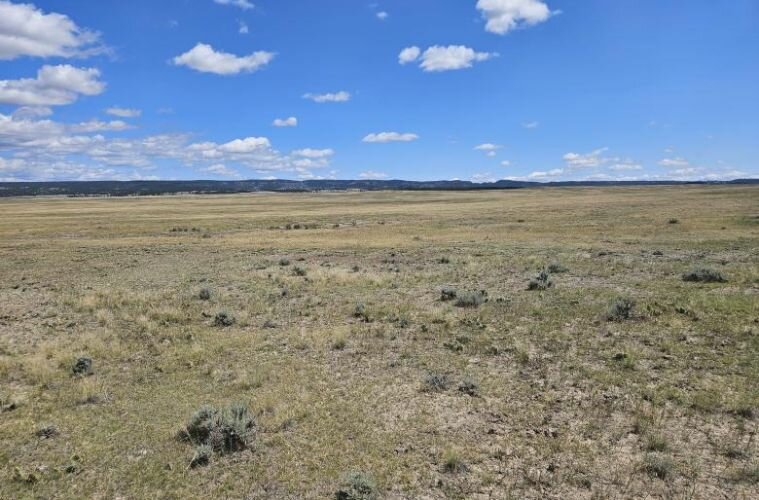
The BLM approved initial infrastructure for the Dewey-Burdock uranium project, advancing a long-debated in-situ recovery development in South Dakota.

Climate policy uncertainty is affecting firm-level investment, employment, and R&D as a material financial risk. Companies managing it best are treating it as a capital strategy problem.

Companies are now accountable for emissions and environmental risk in supplier facilities they do not own. Most sustainability programs were not built for that scope.
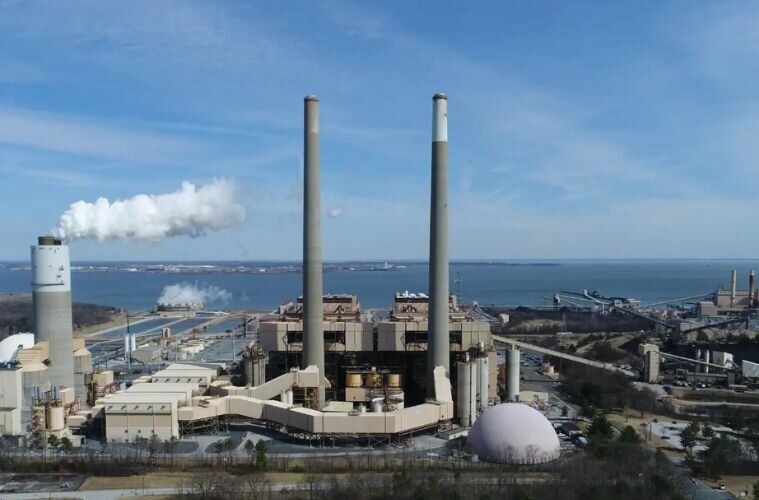
PJM and Talen Energy have filed at FERC to extend the Brandon Shores and H.A. Wagner reliability-must-run agreement to May 2031, citing transmission delays driven largely by data center load growth.

AI growth is reshaping data center design. A new framework gives operators a clearer path for managing power, cooling and uptime.

Companies that map their full supply chain typically find more than they expected: hidden concentration, environmental exposure several tiers deep, and risk that travels farther than anyone modeled.

Fines for non-compliant buildings are no longer a future risk — they're accruing now. Boston's BERDO 2.0 charges $1,000 per day, New York's Local Law 97 is penalizing excess emissions per ton, and D.C.'s first compliance cycle is closing. For most building owners, the path forward isn't replacement — it's connecting what's already there.

A 344-foot timber roof is putting snow safety into focus at Vancouver’s PNE Amphitheatre. The project shows why planning for weather starts before installation.

A federal class action filed May 28 against EMR Advanced Recycling in Camden, NJ cites more than a dozen fires since 2020, repeated NJDEP violations, and displacement of over 100 families.

The market is rewarding assets that have already cleared permitting, interconnection, and financing. Everything else is waiting longer and competing harder for what remains.
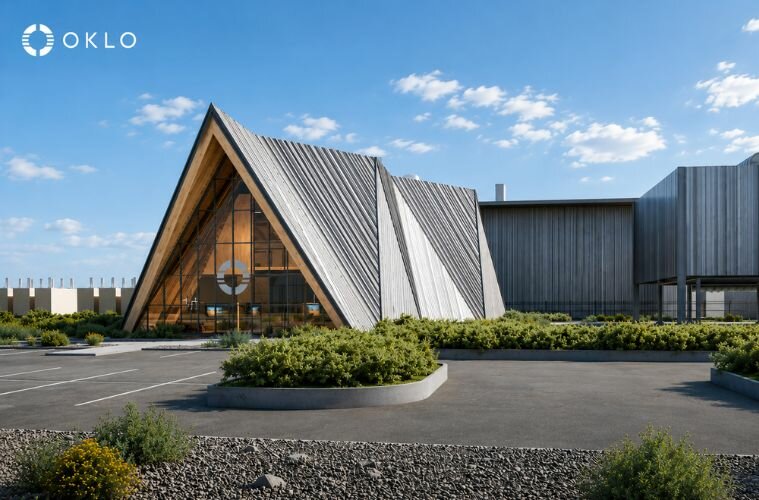
DOE's Idaho Operations Office approved a preliminary safety analysis for Oklo's Aurora reactor under the Reactor Pilot Program, a staged federal framework for advanced nuclear deployment.
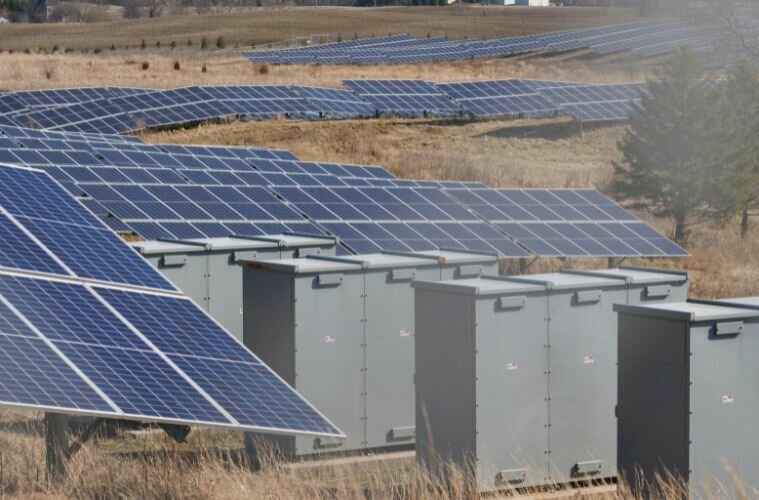
States that voted for President Trump in 2024 accounted for 74% of all solar capacity installed during the quarter, with TX, FL, OH, IN, MI, AZ, and MS ranking among the top ten states for new additions
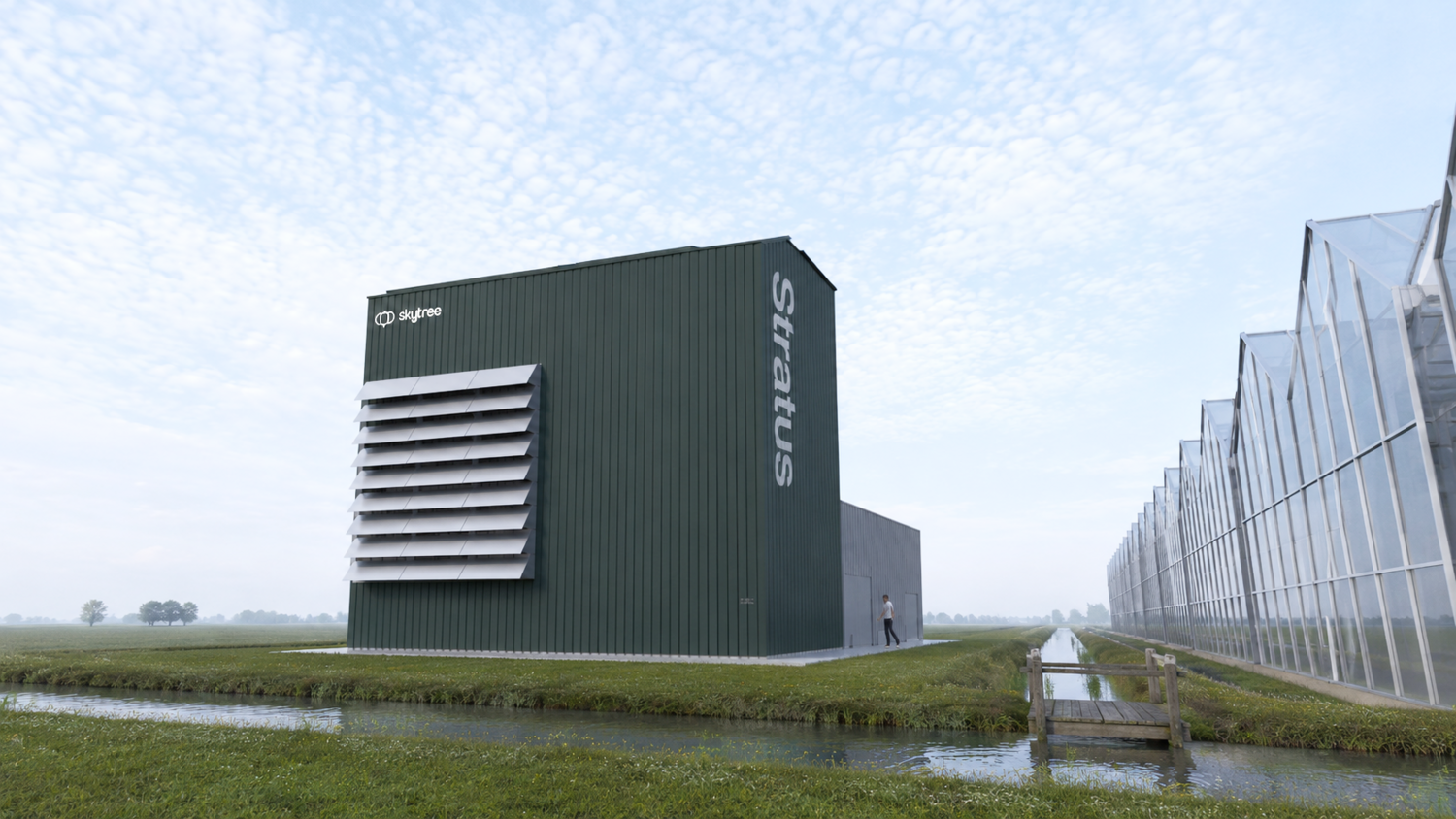
Skytree and Lingezegen Energy are bringing direct air capture into Dutch greenhouses. The project could make fossil-free CO₂ a practical crop input.
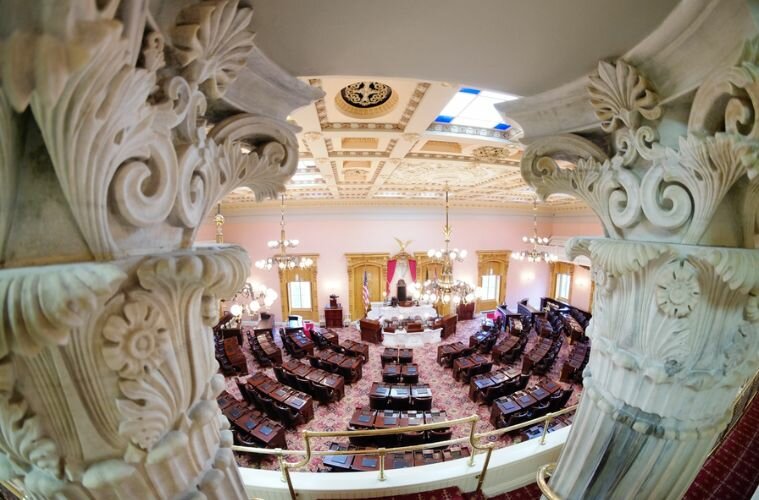
Ohio's House passed H.C.R. No. 35 63-32 on June 9, urging Congress to reform federal energy permitting and citing a 2,000-gigawatt interconnection backlog and NEPA timelines near four and a half years.

E2 tracked nearly 8 GW of canceled clean energy capacity and $13 billion in abandoned investment in Q1 2026 alone. The hidden cost is what those projects were supposed to deliver.

Global energy transition investment hit $2.3 trillion in 2025. But capital is concentrating in data centers and a few large managers, leaving most clean energy deals competing for less.

Federal permitting blocked 11 GW of clean energy in one year. The interconnection queue holds 2,060 GW more. Operations teams with project-tied energy timelines carry direct exposure.

Clean energy project finance credit standards shifted in 2025 and 2026. Companies with infrastructure commitments built on older assumptions are running into those changes now.