

Fish may be more sensitive to antidepressants than human models suggest. The finding may reshape how water utilities and regulators assess pharmaceutical risks.

Bioeconomy strategies are expanding in 76 countries, but new research finds governance gaps around land, genetic resources, data and benefit sharing.

SUPERPAN is testing ultralight thermoplastic panels for transport. The project links recyclability, automation and lower energy use in production across plants.

Spain’s first HRS system pasteurizes 220 metric tons of digestate daily. Heat recovery may cut thermal demand and support fertilizer reuse for regional growers.

PFAS restrictions are pushing manufacturers to rethink coatings. Femtosecond lasers could offer a chemical-free way to engineer water-repellent surfaces.

Rodale is betting $139 million on moving 10 million U.S. acres into organic production. Farmer economics and clear tracking will decide if it works in practice.

UNESCO's first Science Decade report finds governance-focused research trailing innovation by over 3 to 1, a gap it says is raising technology deployment risk.
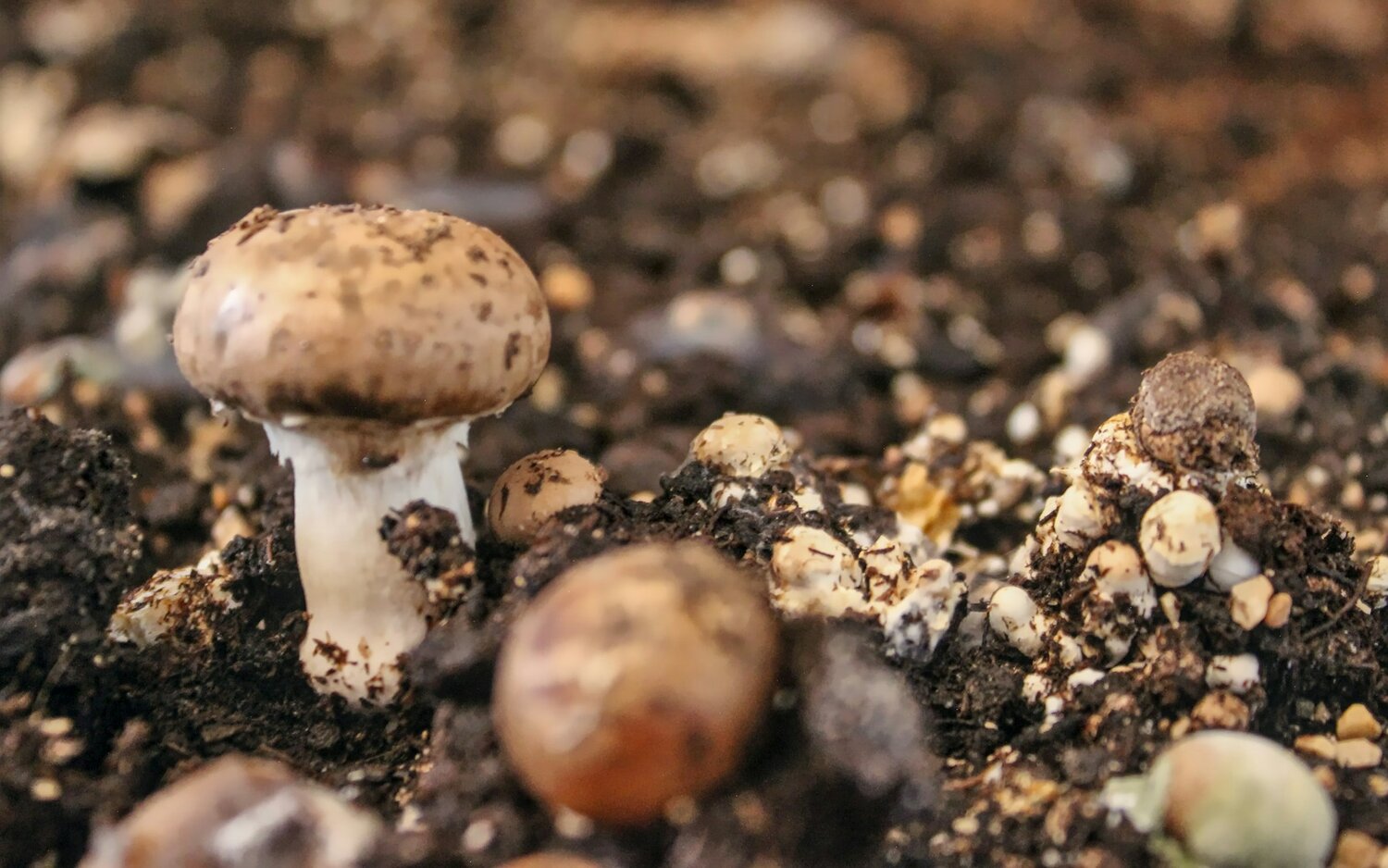
Syngenta and Groundwork BioAg are pairing fungal crop inputs with soil carbon programs. Farmers could gain soil benefits and fresh revenues from carbon credits.
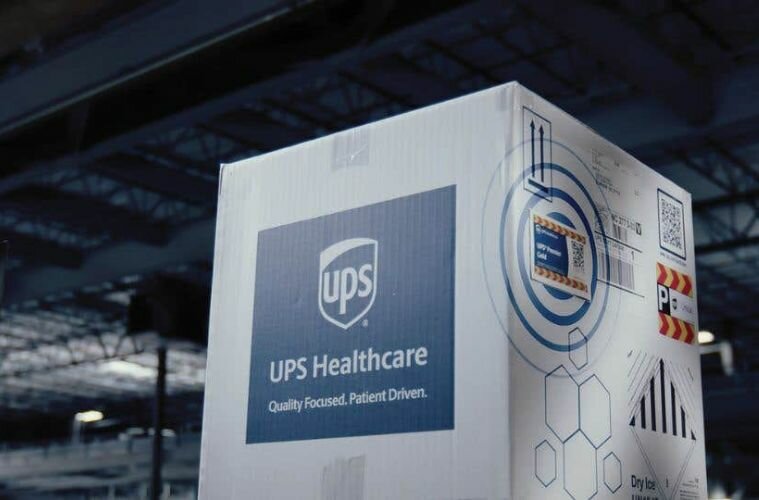
UPS is investing $48 million in temperature-controlled freight facilities while expanding AI-powered logistics to support growing pharmaceutical demand.

Switch Bioworks is testing microbial fertilizer in Midwest corn fields. The trials will show whether engineered microbes can support nitrogen delivery at scale.
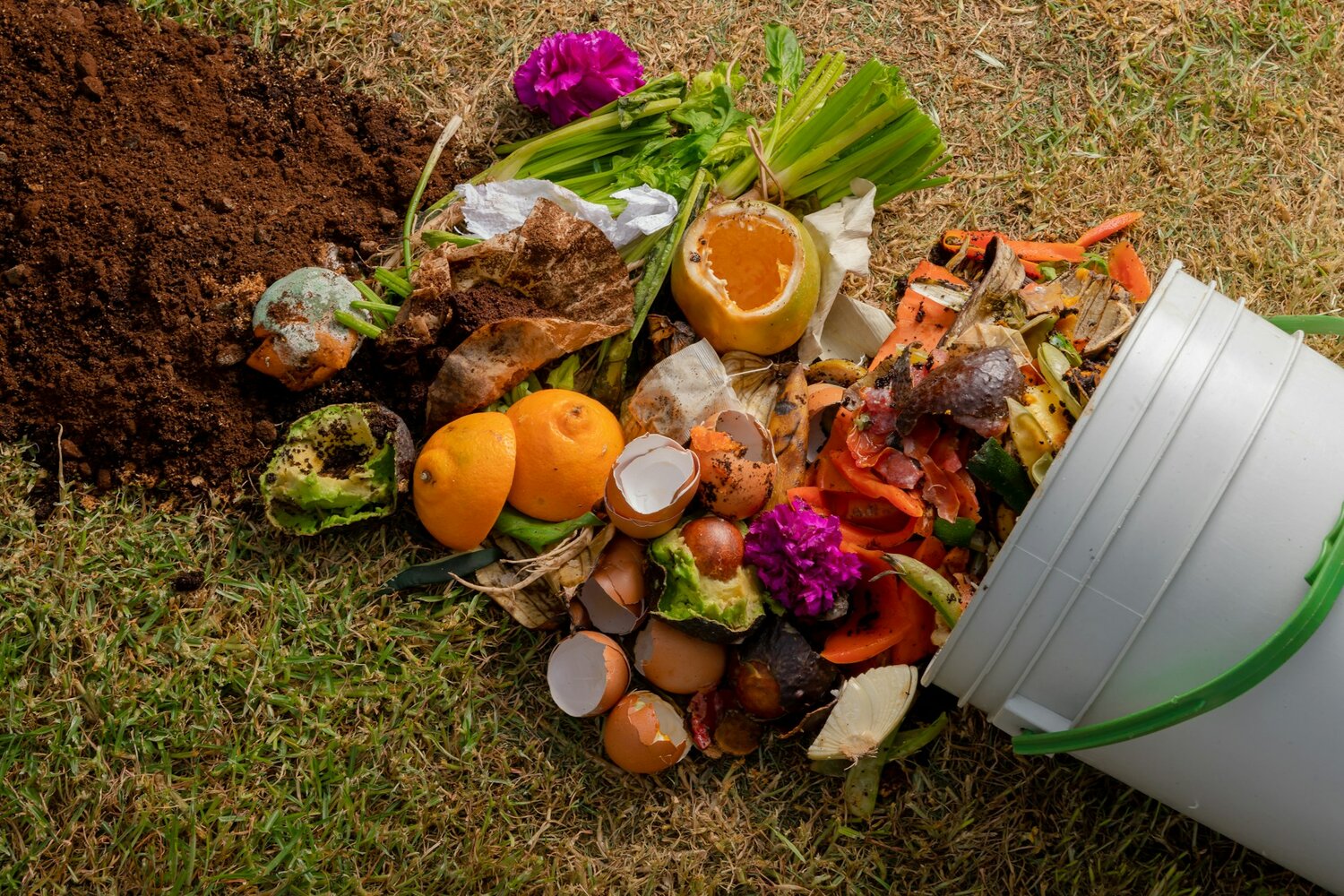
Waste is moving from disposal cost to business asset. Circular systems can turn plastics, sludge and organics into energy, materials and resilient supply chains.

Anderon will initially focus on wafer fabrication for superconducting qubit technology and supporting electronics, with plans to expand into other quantum computing approaches over time.

As heat seasons grow longer and grid stress events hit more frequently, the transition points that were always the weakest links in temperature-sensitive logistics are failing at higher rates.

Terra is moving low-carbon cement closer to market. Its Texas plant could show whether cleaner concrete can scale without major supply chain disruption.

Organizations that haven't conducted a systematic PFAS exposure assessment are making that decision by default, and the cost of finding out later is rising.

Crab shell waste may help control how bioplastics degrade in seawater. The approach could improve durability while supporting circular material use.

EU restrictions and supply chain pressure are pushing labs to replace Triton X-100, turning green chemistry into a procurement and compliance priority.

Heat-tolerant enzymes are moving closer to industrial use. New structural insights show how proteins can stay stable and active in extreme conditions.

Ventura County is testing a scalable regenerative agriculture model. Early results show farm adoption rising with coordinated funding and support.

Protein-based bioinsecticides are moving closer to field use. Early research highlights their role in tackling resistance and meeting tighter rules.