
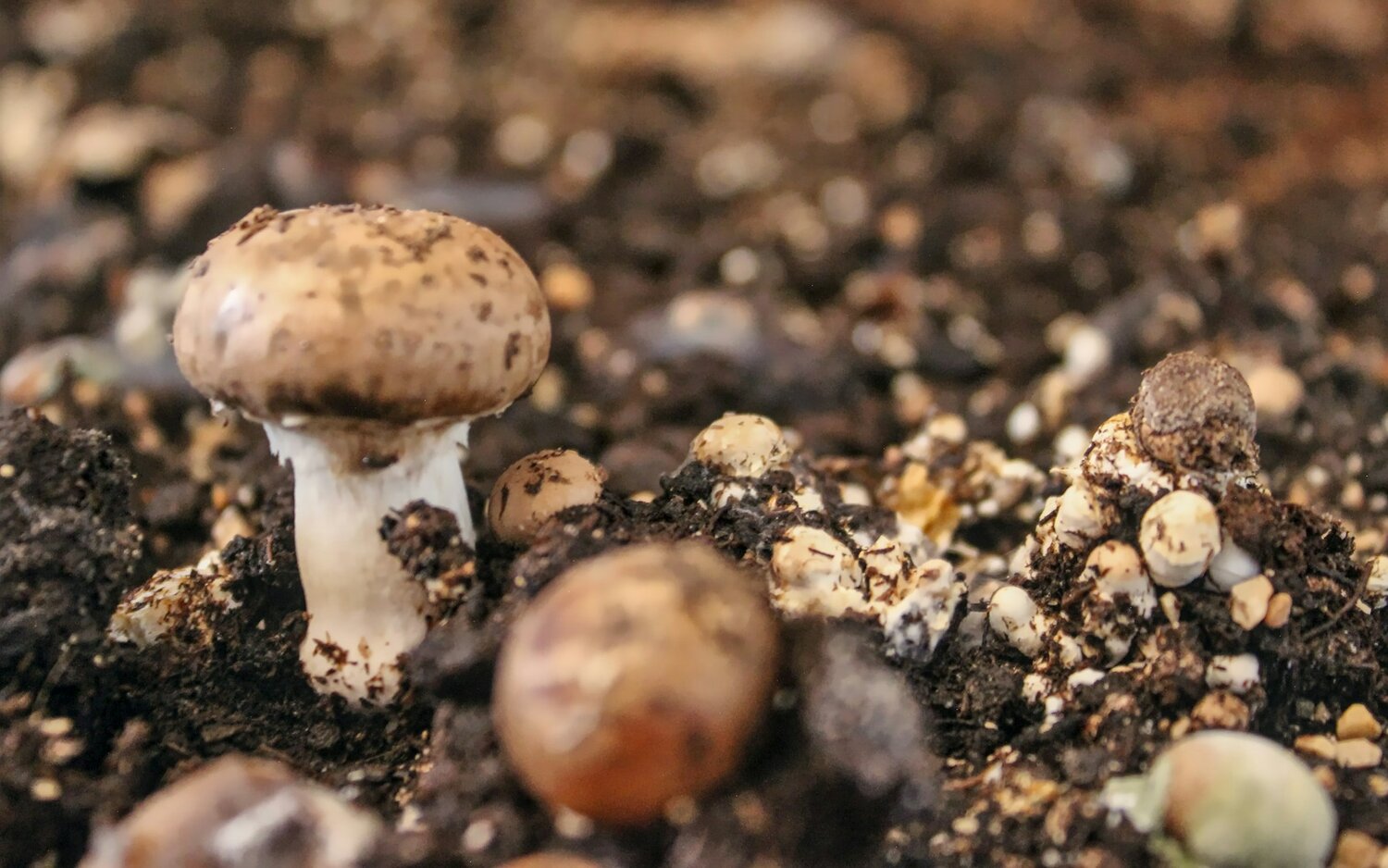
Mycorrhizal fungi develop symbiotic relationships with plant roots. These fungal networks can extend the effective reach of a crop’s root system, supporting access to water and nutrients that may otherwise remain unavailable to the plant.
Groundwork BioAg’s technology is designed to improve nutrient-use efficiency, support crop performance and help plants manage drought and other environmental pressures. The company’s Rootella product line is already used in commercial agricultural settings.
For Syngenta, the partnership expands its biological crop-input offering as biologicals become more integrated with conventional crop-management programs. Rather than positioning these products as standalone alternatives, agricultural suppliers are increasingly combining them with seeds, crop protection, nutrition and digital farm services.
Actual results, however, will vary by farm. Product performance can be influenced by soil type, weather, crop selection, application methods and existing microbial conditions.
That variability remains a key commercial issue for biological agriculture. Farmers and advisers will need clear field-level data showing that the input can provide a consistent return relative to its cost.
The partnership gives Groundwork access to Syngenta’s distribution network and established relationships with growers and agricultural retailers. Groundwork, in turn, supplies the mycorrhizal technology and its experience operating agricultural carbon projects.
The company says its existing carbon program covers more than 280,000 hectares. The Syngenta agreement could extend that model by connecting biological product sales with carbon measurement, verification and reporting services.
The companies also plan to use mycorrhizal fungi as part of a program intended to increase carbon storage in agricultural soils.
Plants capture atmospheric carbon dioxide through photosynthesis. A portion of that carbon moves below ground through roots, crop residues and interactions with soil microorganisms.
Groundwork BioAg says its fungi can contribute to the development of mineral-associated organic matter. This form of organic matter binds to soil minerals and is generally considered more stable than carbon stored in easily decomposed plant material.
Increasing soil organic matter may also offer operational benefits beyond carbon markets. Depending on local conditions, these can include improved water retention, better soil structure, greater nutrient availability and reduced erosion risk.
Participating farmers are expected to receive a share of the revenue generated from verified carbon-credit sales. The announcement did not provide specific information about enrollment criteria, farmer payment formulas, contract lengths, credit pricing or verification requirements.
Those missing details will be central to the program’s commercial case.
Agricultural carbon markets continue to face questions around measurement accuracy, additionality and permanence. Project operators must demonstrate that credited carbon gains are real, would not have happened without the program and are likely to remain stored for the stated period.
Monitoring and verification costs could also affect farmer returns. Even where soil carbon increases are technically achievable, the economics will depend on credit quality, buyer demand, data-collection expenses and the portion of revenue retained by farmers.
The partnership reflects a wider shift in biological agriculture. Suppliers are moving beyond individual products toward bundled offerings that combine crop inputs, digital measurement, environmental reporting and market access.
For farmers, the proposition is straightforward but still unproven at scale: improve crop and soil performance while opening a second source of value through carbon credits.
Adoption will depend on whether the program can deliver reliable field outcomes, transparent contracts and payments that justify the operational requirements. It will also need to show corporate carbon-credit buyers that its measurement and verification standards can withstand scrutiny.


