

After recent Legionnaires’ outbreaks, ASHRAE is urging stronger building water safety plans to reduce risk and liability across commercial facilities.

Lunettes de ZAC reuses and redistributes eyewear across France through a circular model focused on environmental and social impact.

Major brands are tied to midstream suppliers sourcing from Xinjiang, raising due diligence concerns under UFLPA and global forced labor laws.

A new study finds high levels of PFAS in reusable menstrual products, raising concerns about consumer safety and environmental impacts from polymer degradation.

Kenvue uses its Sustainable Innovation Profiler to evaluate environmental performance across product design, aiming for 75% of new products to show sustainability improvements by 2030.

Eco Love, a U.S.-based lifestyle brand, is bringing sustainable household essentials made from bamboo, glass, and stainless steel to market, offering a scalable model for toxin-free, circular design in consumer goods.
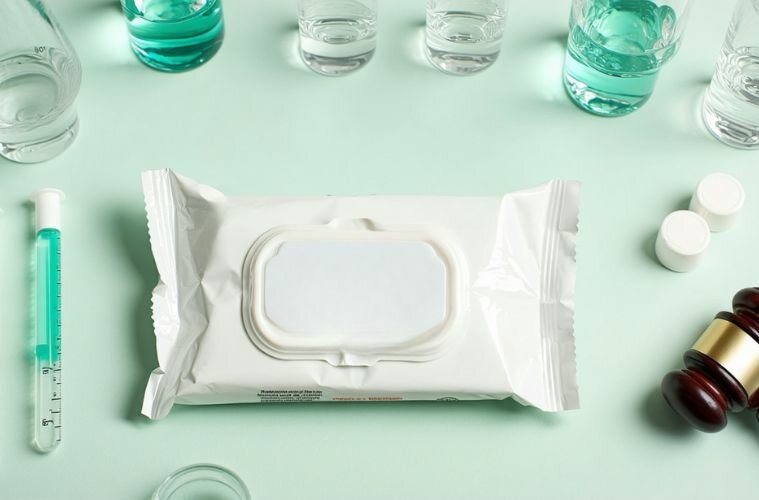
A federal judge allows PFAS class action against Costco baby wipes to proceed, citing specific chemical evidence and deceptive marketing claims.

Beginning January 1, 2026, Illinois will prohibit the sale of cookware, cosmetics, and more with intentionally added PFAS, under expanded amendments to the PFAS Reduction Act.

Estée Lauder’s 2025 Supplier Summit showcased innovation, honored top partners, and reinforced its strategic vision for growth, speed, and sustainability.

New Jersey communities and scientists are teaming up on air, water, and soil risks. Data-backed efforts are driving real policy change.

UK firms face mounting pressure over microplastics. Weak laws risk trade, costs, and market access as international rules advance.
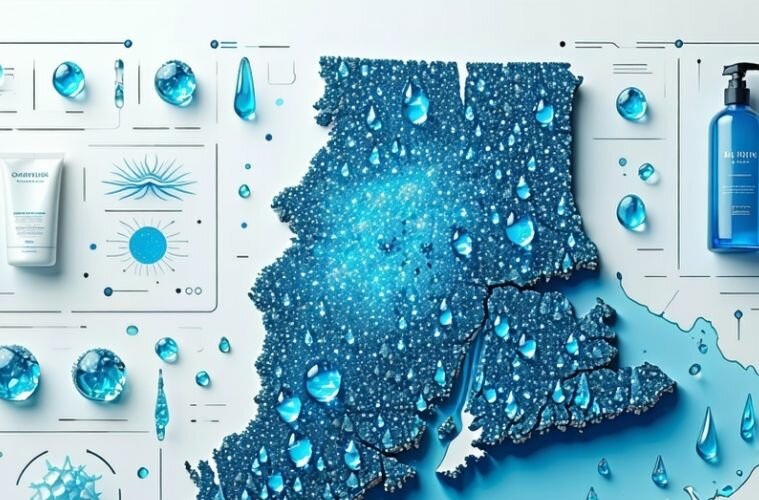
A newly introduced bill in Rhode Island aims to ban products with intentionally added microplastics by 2029 while advancing state-led testing and strategy to address environmental and health risks.

Since our relaunch, engagement has surged — and we’re opening new ways for industry leaders to share insights, build visibility, and get involved.

Optty and Ekko are making sustainable payments easier by integrating carbon tracking and micro-donations directly into everyday transactions worldwide.
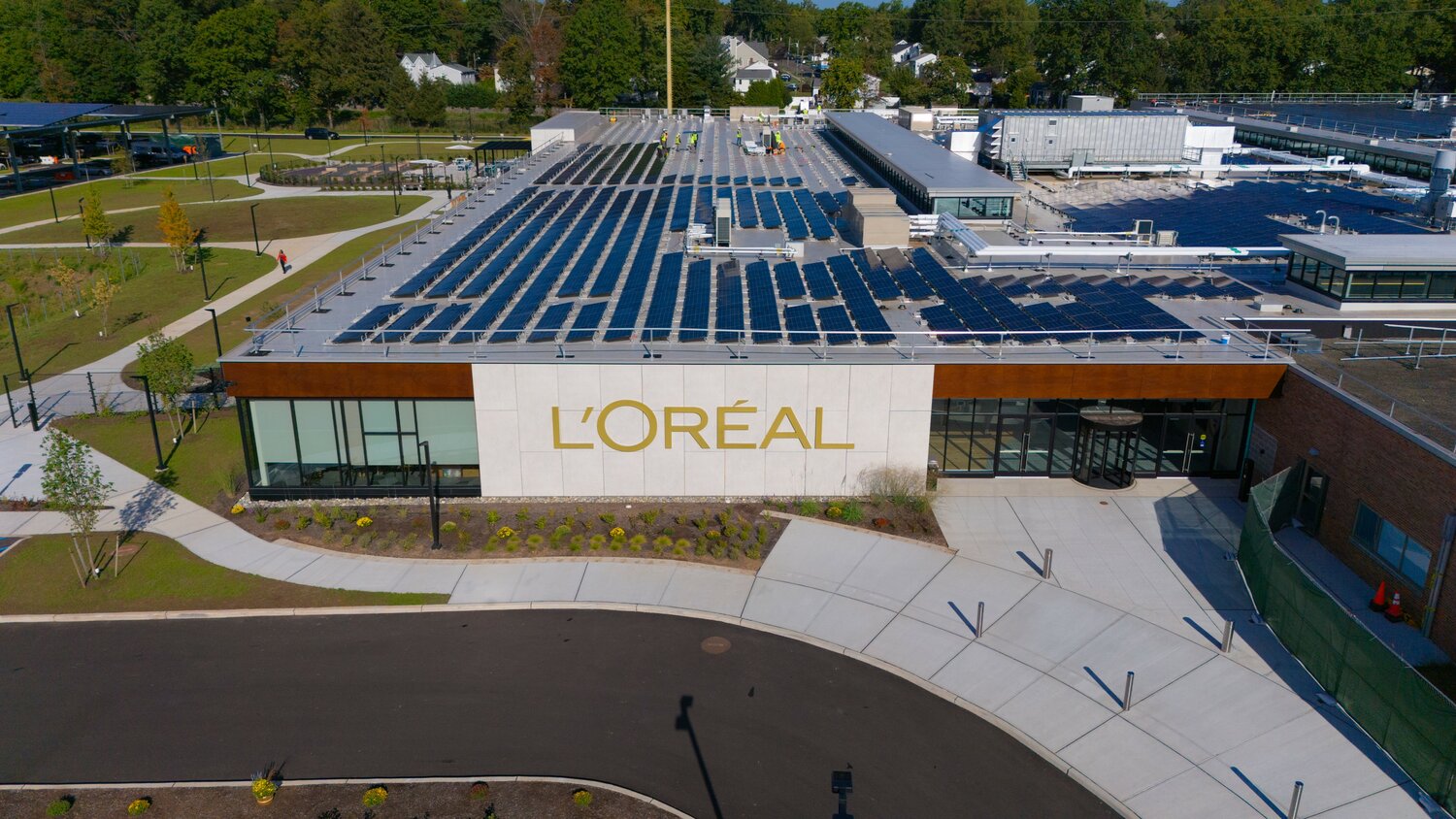
L’Oréal has launched a $160 million Research & Innovation Center in New Jersey, enhancing product development and sustainability efforts.

States, consumers, and corporations clash in 2025’s growing wave of PFAS lawsuits over contamination and public health hazards.

L’Oréal teams with IBM to redesign formulation processes, advancing sustainability and personalization in cosmetics through cutting-edge AI.
Greenwashing lawsuit seeks $800 million in damages for misrepresented environmental claims.
Microplastics are infiltrating human tissues, raising health alarms. A new study links plastic particles to chronic diseases and tissue damage.

The EPA bans all TCE, and most PCE uses, with phased plans and strict exposure limits, ensuring safer workplaces and healthier communities nationwide.