

Supply chain tech investment is rising, but reliability is getting harder to assume. New research shows why digitized networks can fail faster when physical constraints hit.

Eastman and Kolmar Korea join forces to scale biodegradable beauty ingredients. The collaboration blends materials science with K-beauty manufacturing expertise.

New York has begun construction on a $1.7 billion Wadsworth Center laboratory, consolidating public health testing infrastructure to strengthen long-term preparedness and resilience.

Pacifico Energy’s GW Ranch project secured a 7.65 GW air permit in Texas, highlighting how private-grid power campuses are reshaping energy supply for hyperscale AI data centers.

Logistics reliability is emerging as a board-level risk as supply chains face physical limits, delivery failures, and growing exposure across operations, finance, and governance.

Physical logistics limits are reshaping sourcing, inventory placement, and customer commitments earlier than planning cycles anticipated.

NeoVolta is entering U.S. battery manufacturing with a Georgia JV. The move positions the company to scale utility and C&I storage amid rising demand.

Eaton is separating its Mobility Group to double down on electrical and aerospace growth. How will that reshape the mobility supply chain?

Sappi’s CDP Forests A score highlights how credible sustainability data is increasingly used to support procurement, investment, and regulatory decisions.
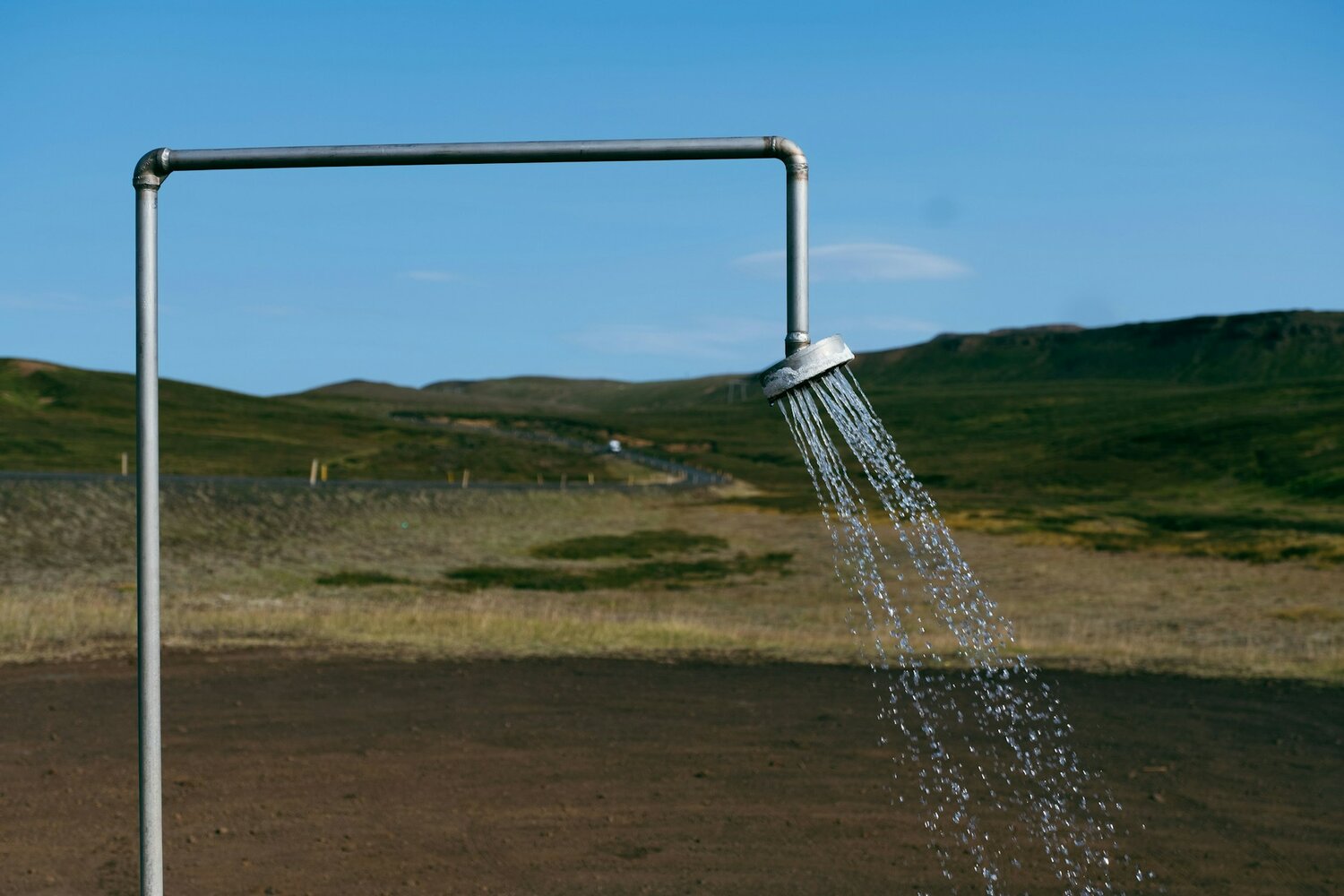
Water is now a strategic risk, not just a utility. A new index from Ecolab and CDP offers companies a way to measure and manage water use with real benchmarks.

Southwest Power Pool is expanding west with a $150M project and 190 jobs. Its new Markets+ platform aims to modernize energy markets across the West.

Pepper Construction turned a vacant 1912 factory into a net-zero HQ. The project proves deep energy retrofits can work—even in aging industrial buildings.

In early 2026, procurement risk is increasingly shaped by supplier accountability, data demands, and contractual exposure—forcing a shift in how sourcing decisions are evaluated.

A House committee has advanced legislation that would allow limited flexibility in Clean Air Act offset requirements for certain manufacturing and critical mineral facilities.

The UK’s vape ban cut disposables, but fire risks are rising. Rechargeable vapes, often binned with charge, are igniting in trucks and recycling sites.

Once abandoned, Seattle’s Metropole Building now runs at ultra-low energy use. Its revival shows how cities can cut carbon without erasing their past.

South Korea’s AI Basic Act sets a global precedent for AI governance, but the law remains silent on energy and environmental impacts.

Embedding decontamination into modular pharmaceutical facilities from the outset.

Climate disasters are triggering insurance premium shock, signaling rising operational risk before policy, enforcement, or capital markets adjust.

South Koreans are ready to pay for cleaner freight. A new study finds strong public support—and funding potential—for hydrogen fuel cell trucks.