

Bio-PDO is moving from green claim to measured carbon data. The latest LCA gives buyers clearer evidence on renewable inputs.
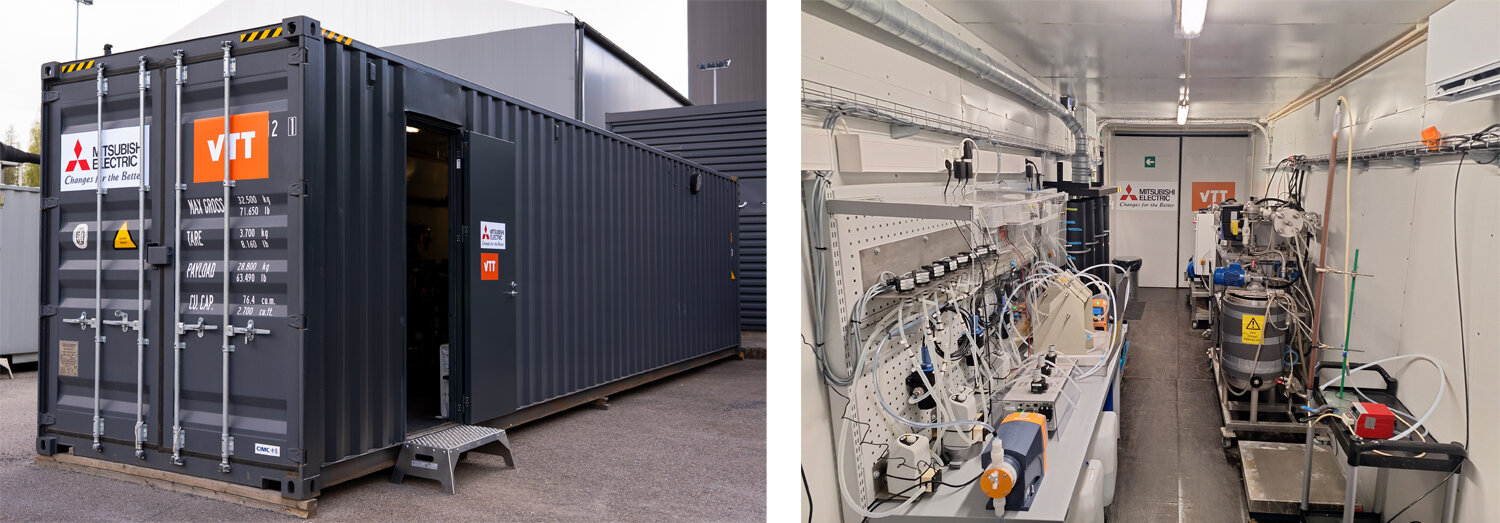
Mitsubishi Electric and VTT are preparing a direct ocean capture system for coastal trials. The work could test seawater's role in scalable carbon removal.

Only 37% of corporate net zero targets cover Scope 3. Supply chain emissions average 11 times a company's own footprint. The people deciding whether climate goals are met are upstream.

Companies that map their full supply chain typically find more than they expected: hidden concentration, environmental exposure several tiers deep, and risk that travels farther than anyone modeled.

A 344-foot timber roof is putting snow safety into focus at Vancouver’s PNE Amphitheatre. The project shows why planning for weather starts before installation.

M-44 cyanide devices are back in the predator-control debate. For land managers, the issue now spans safety, liability, pets and endangered wildlife.

ISO 14001 is getting its most significant update in a decade, with new requirements effective April 2026 and a compliance deadline of April 2029. The changes are more complex than they appear — and organizations that wait to start preparing will feel it.

Canovation and CANPACK are preparing CanReseal for pilot-line use. The project tests whether resealable aluminum cans can fit existing production.

Massachusetts health officials are testing air quality at Uxbridge High School after multiple teachers were diagnosed with breast cancer.

Contrails.org has launched open data for airlines. The tool shows where contrails form, helping teams target warming cuts without sweeping fleet changes.
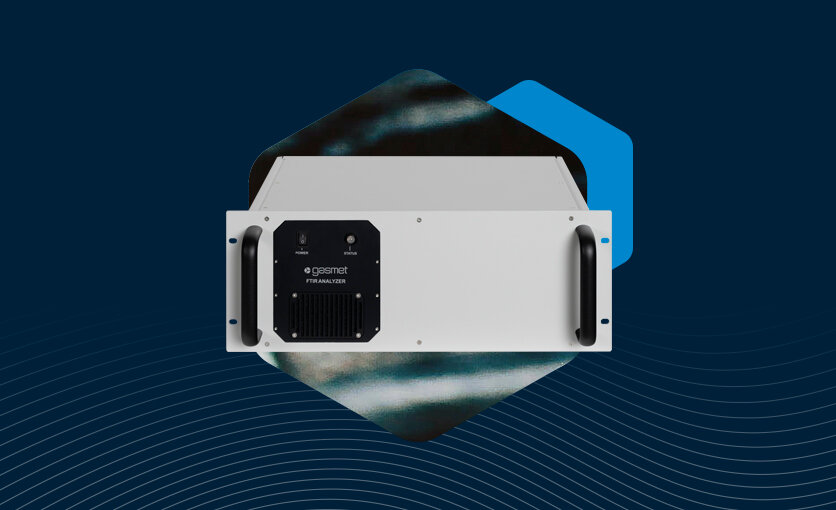
Gasmet’s GT7000 Tellus brings multi-gas FTIR analysis to fixed setups. It supports teams tracking emissions, CO₂ purity and process change.
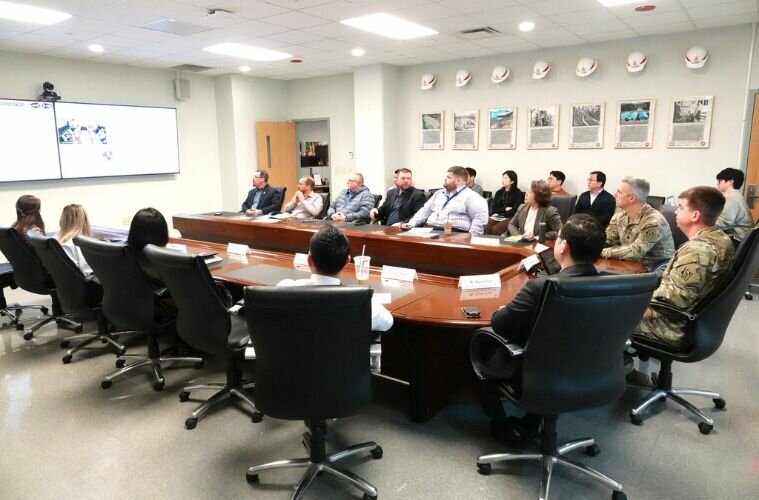
The Army Corps of Engineers Far East District just earned the Army Safety Star after seven years of work. What that process requires puts the Longview disaster in sharper context for EHS leaders.
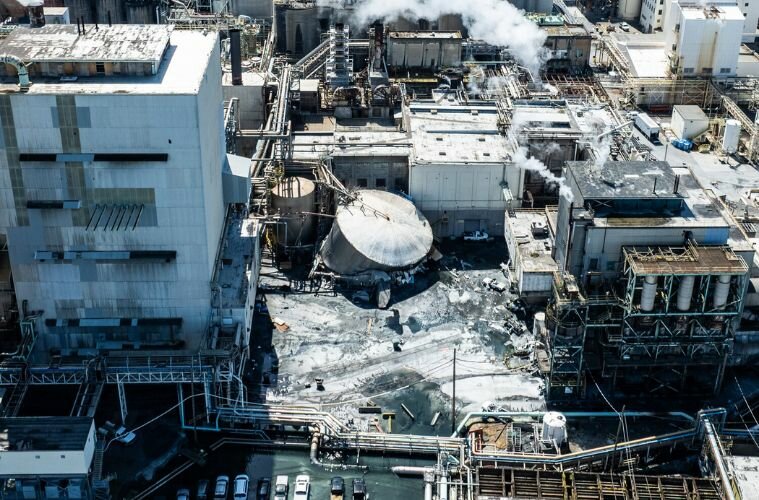
A 900,000-gallon white liquor tank implosion at Nippon Dynawave's Longview mill killed 11 workers on May 26. Federal investigators are on site as scrutiny mounts over the facility's safety record.

MIT research shows third-party audited companies initially report 13.7% higher emissions. That is not failure. It is what honest measurement looks like — and regulators are watching.

OSHA's FOM is a public document that tells you exactly what a compliance officer does from the moment they arrive on site, and most EHS teams prepare for inspections without ever reading it.

OSHA extended its Heat National Emphasis Program through April 2026 and is actively citing through the General Duty Clause, producing over $2 million in heat-related penalties in 2024.

Companies calibrating their compliance posture against federal enforcement trends are missing where exposure is actually accumulating in 2026, because state environmental and safety agencies are not following the federal lead.

Most facilities do not know their permits have drifted out of alignment with actual operations until an inspector arrives, and the penalties waiting at that point have increased significantly.

The regulatory framework for industrial radiography involves multiple federal and state agencies, dose limits that carry criminal exposure if violated, and compliance failures specific enough that inspectors arrive with a checklist most field crews have never read.

OSHA's enforcement priorities have shifted, inspection weighting has evolved, and heat illness citations are expanding without a finalized federal standard, leaving many EHS programs misaligned with how inspections are actually being conducted in 2026.