

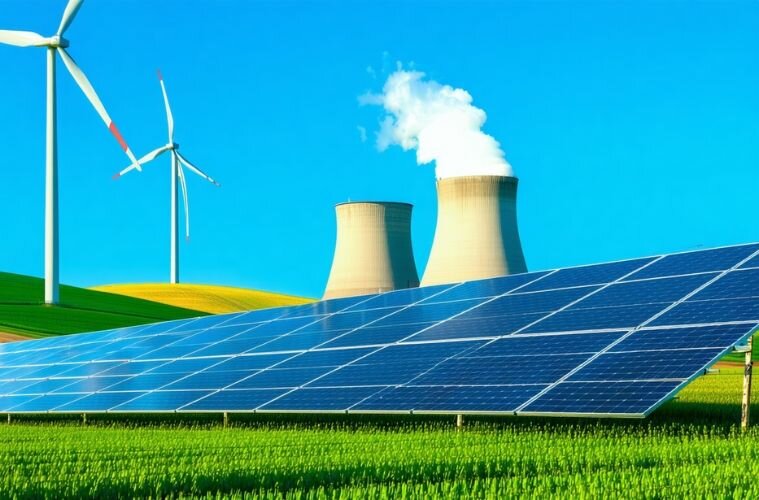
Wisconsin’s Assembly Bill 174, introduced in April 2025, is ushering in widespread changes across the state’s energy landscape.
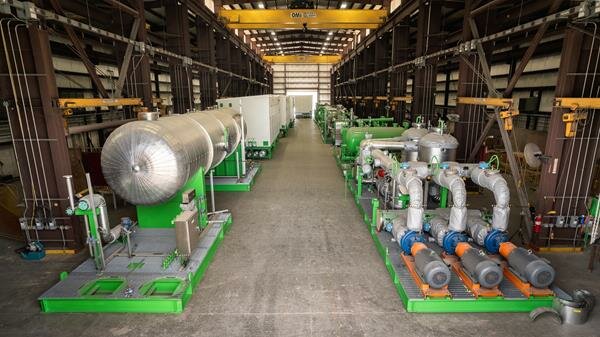
A Texas plant aims to produce low-carbon fuel for aviation and freight. Modular tech cuts cost and speeds up the clean hydrogen rollout.
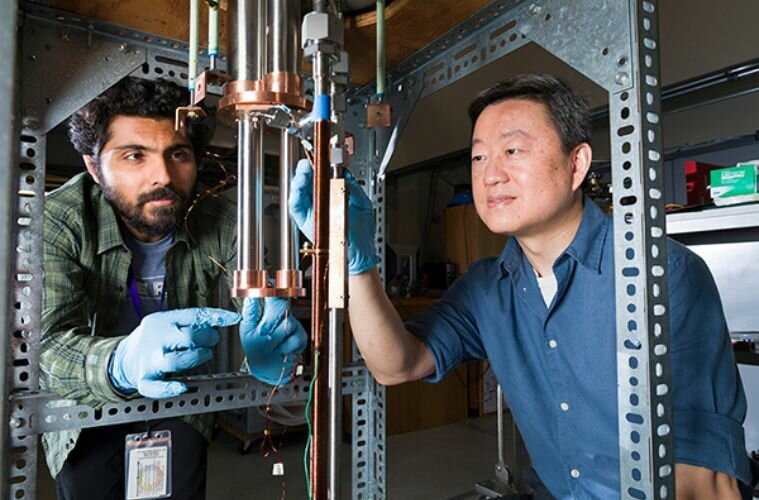
FAMU-FSU engineers unveil an integrated cryogenic hydrogen storage and cooling system powering a rapid zero-emission aviation toward commercial reality by 2035.
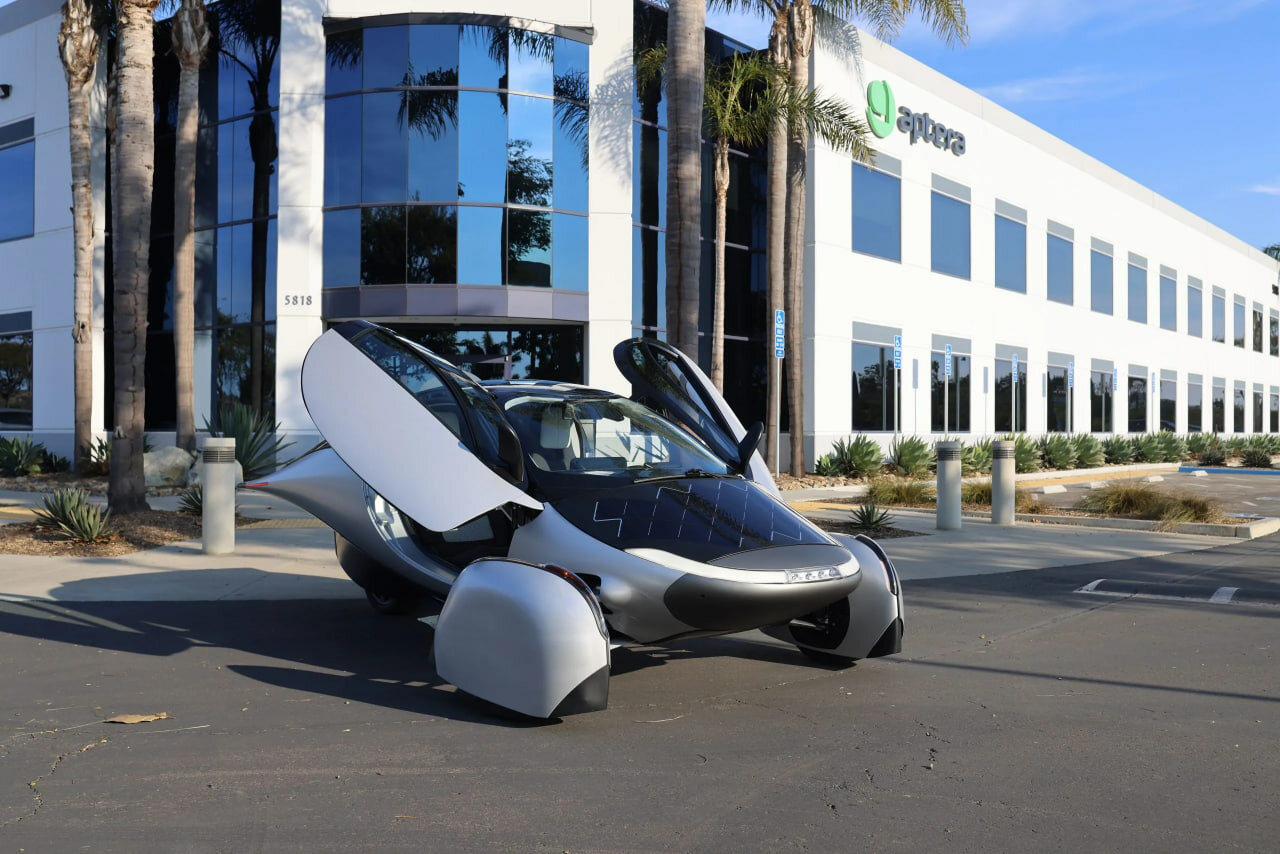
A new EV collab focuses on drivetrain gains, not bigger batteries as Aptera and Inmotive aim to stretch every solar mile even further.

ML-powered climate forecasts drive resilient strategies to combat extreme weather, boost sustainable agriculture, and enhance disaster preparedness.
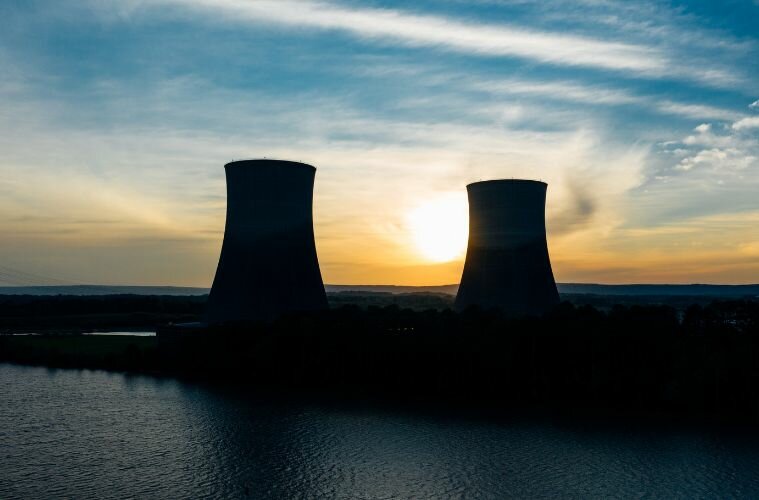
Tennessee’s HB 1133 expands tax exemptions for nuclear energy, supporting uranium processing and strengthening the state’s position in clean energy development.
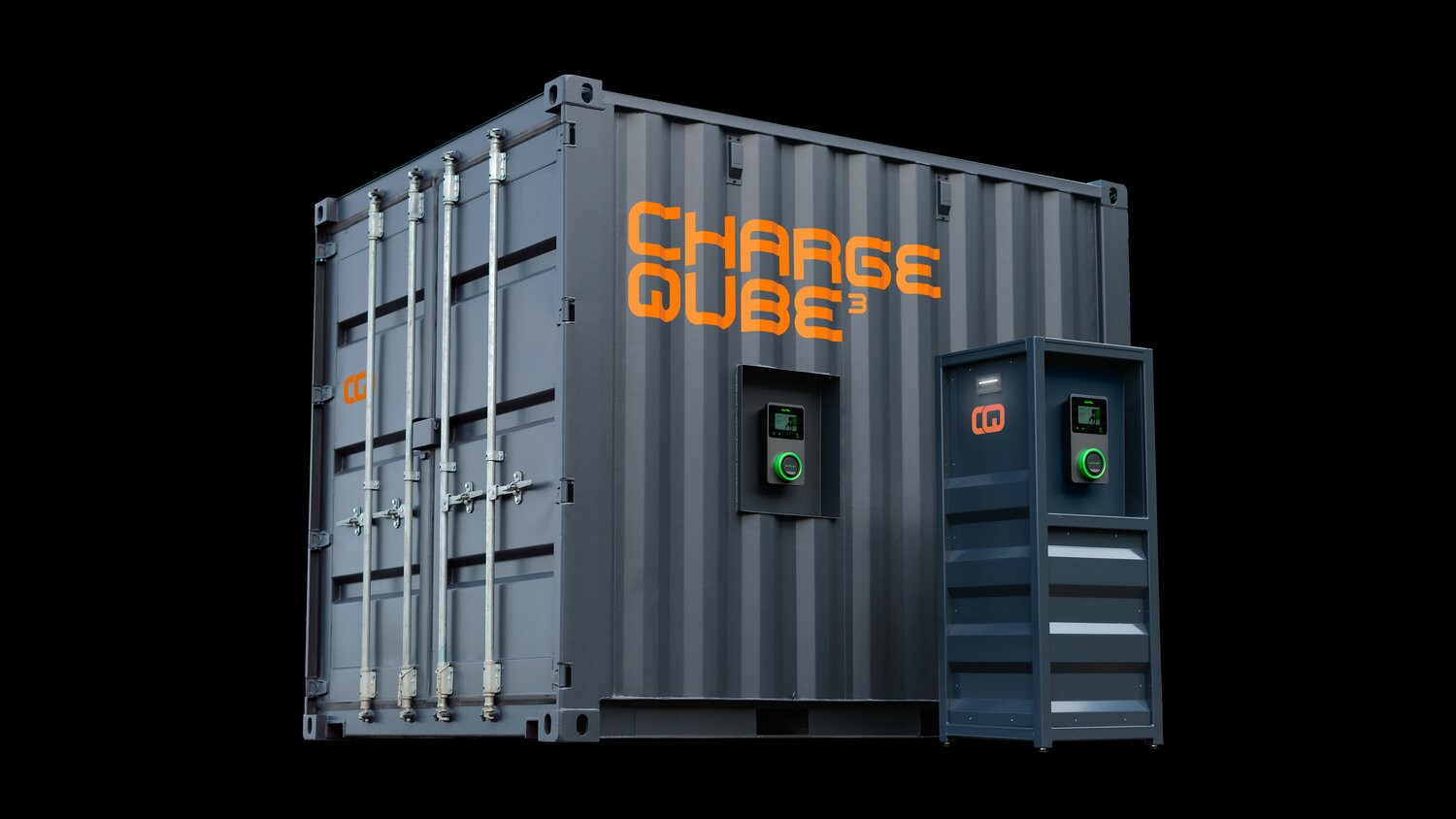
Addressing grid limitations, the Charge Qube delivers flexible EV charging via second-life batteries—supporting clean fleets, remote sites, and low-emission compliance.

Following a historic drop, hydropower output in the Northwest is forecast to increase 17% in 2025 due to stronger precipitation, though totals remain below the 10-year average.
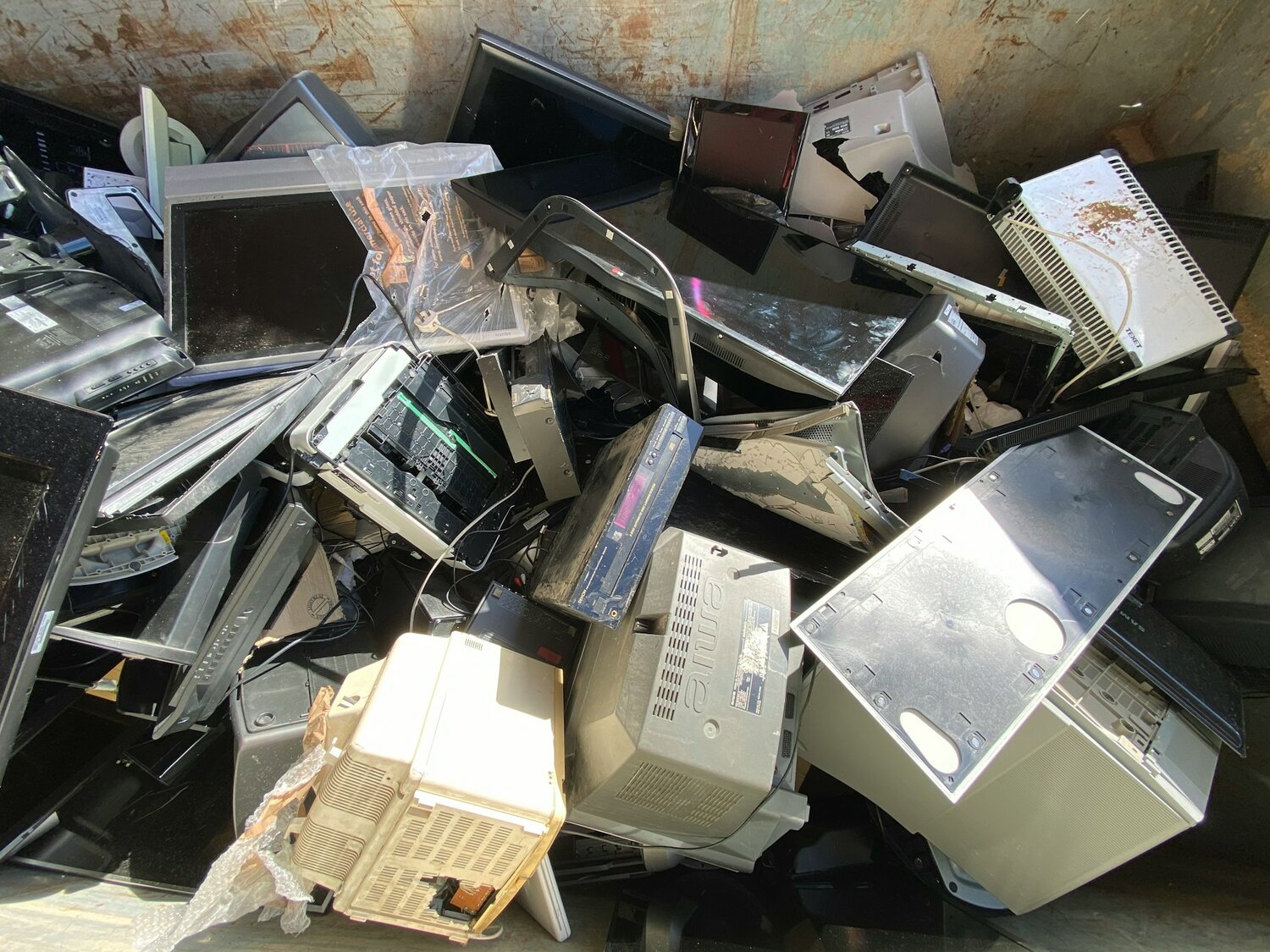
U.S. scientists are turning e-waste into a local source of rare earths. The tech uses less energy and fits into existing systems.
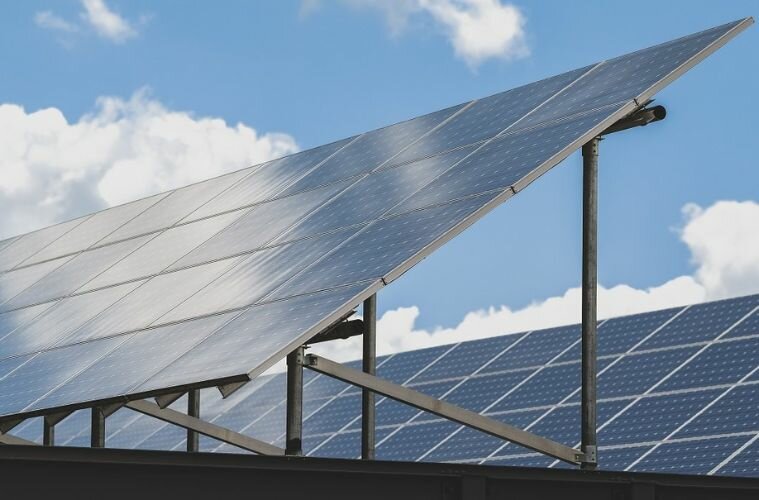
Virginia Tech advances its Climate Action Commitment with a 2.1 MW solar project, reducing emissions and expanding renewable energy education for students.
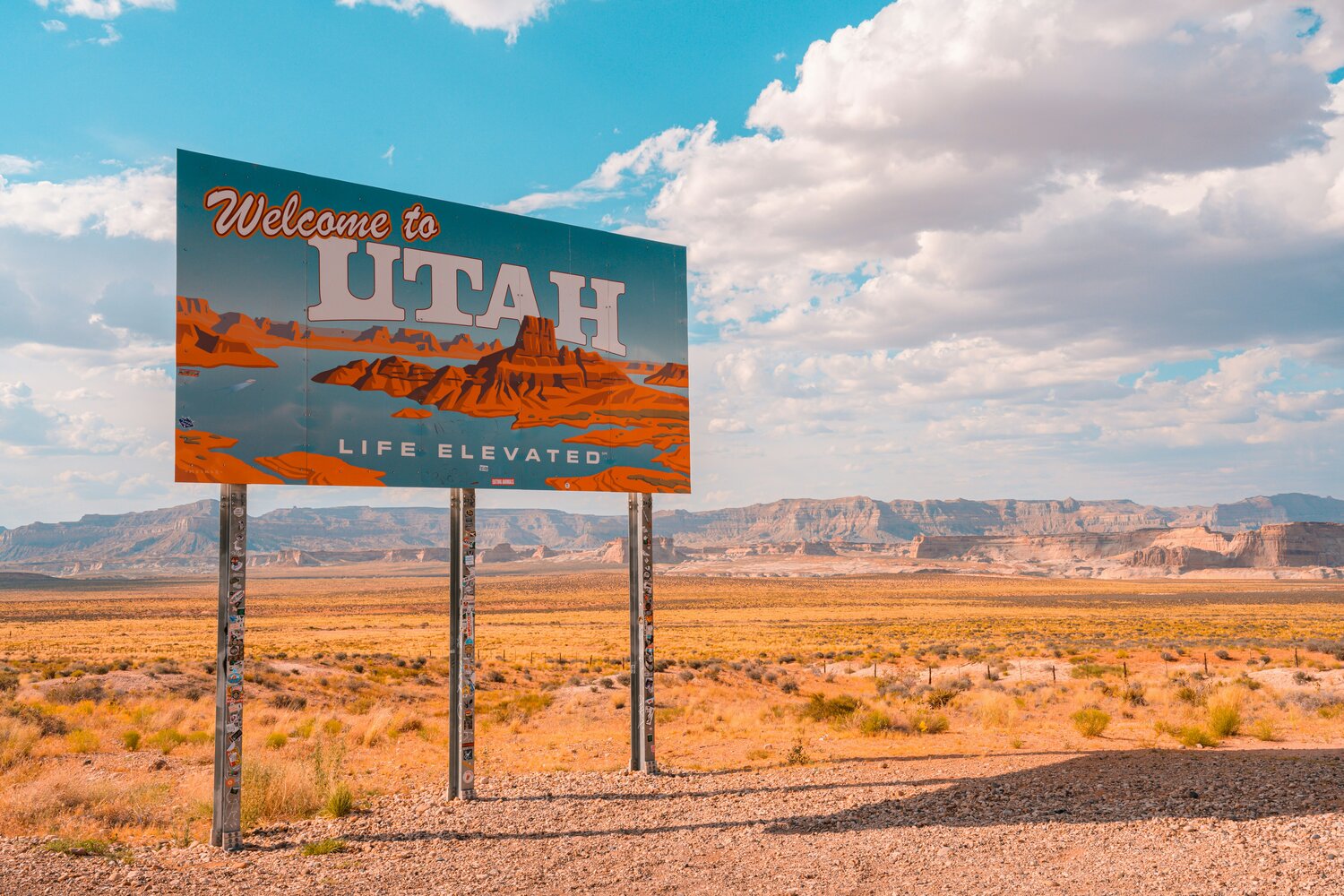
A uranium project by Anfield Energy becomes the first approved under Trump’s national energy emergency order, bypassing public input and fast-tracking permitting. Critics raise environmental and tribal concerns.
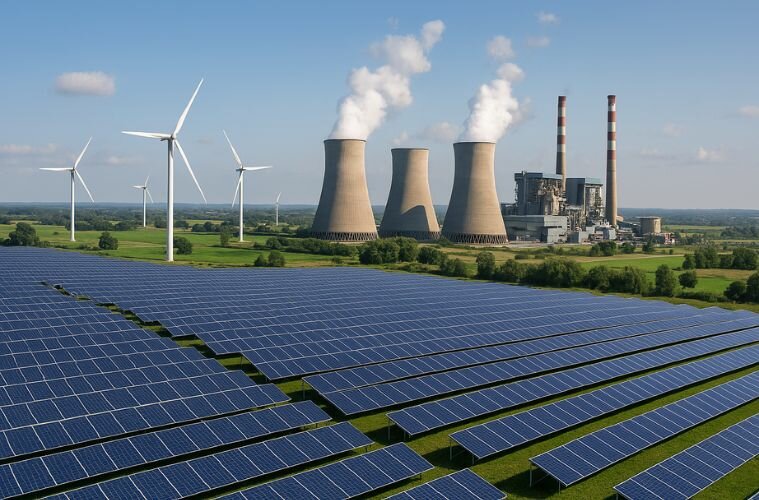
China has become the world’s first "electrostate," shifting from fossil fuels to a fully electrified economy powered by solar, wind, and battery storage. Yet, its continued coal expansion highlights the challenges of balancing growth with decarbonization.
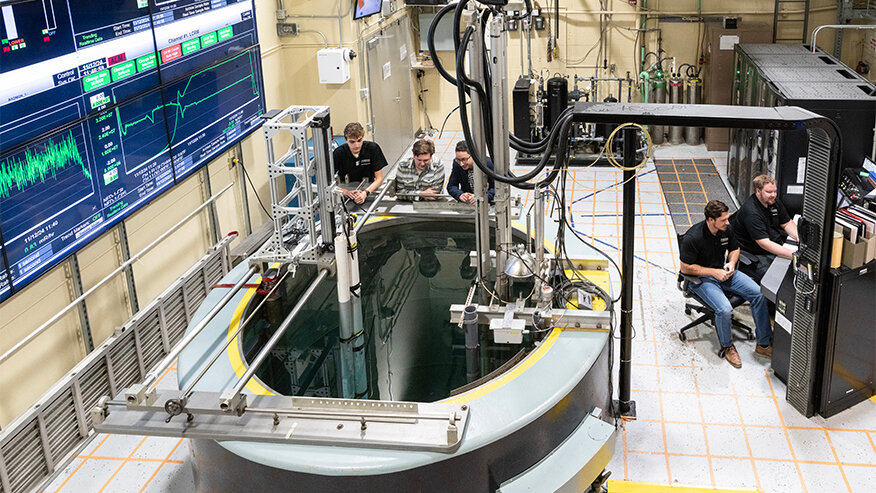
In Indiana, a small research reactor is rewriting nuclear’s future. With AI and digital tools, it's setting a new bar for innovation.

A new DAC project could help reshape the carbon market’s tech future. With validation underway, credits may arrive as soon as summer 2025.
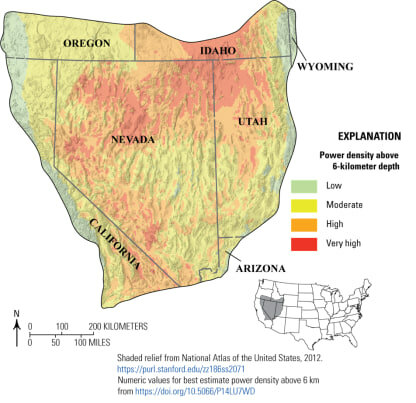
A new USGS study shows the Great Basin could power 10% of the U.S. with geothermal. The catch? Scaling up enhanced drilling tech.
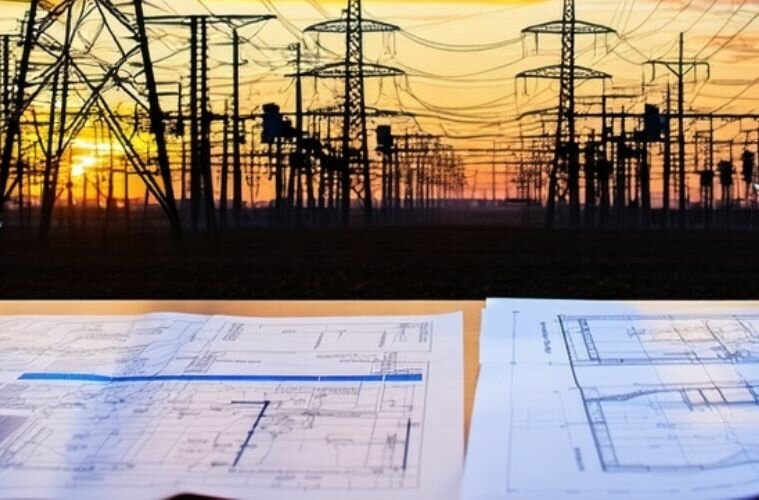
Texas Senate Bill No. 75 reinforces the state’s electric grid by establishing expert oversight and rigorous simulations to set new resilience standards that safeguard healthcare, water, communications, and transportation, ensuring public safety and economic stability.

Enel strengthens its U.S. renewable footprint with a strategic wind farm swap, expanding its consolidated capacity and leveraging brownfield development for sustainable growth.
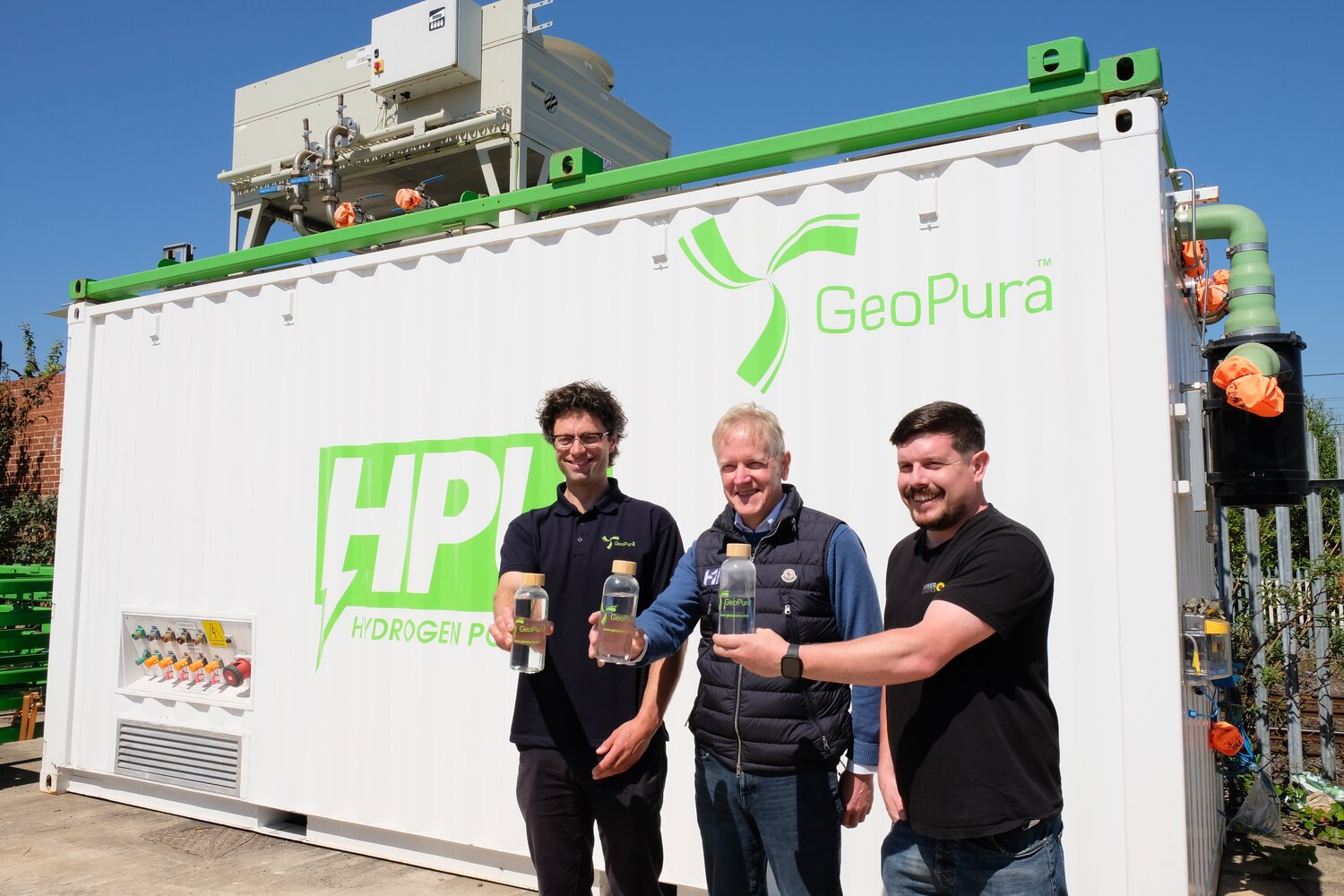
Extreme H just tested a new hydrogen unit with major power gains. The tech could fuel everything from races to remote live events.
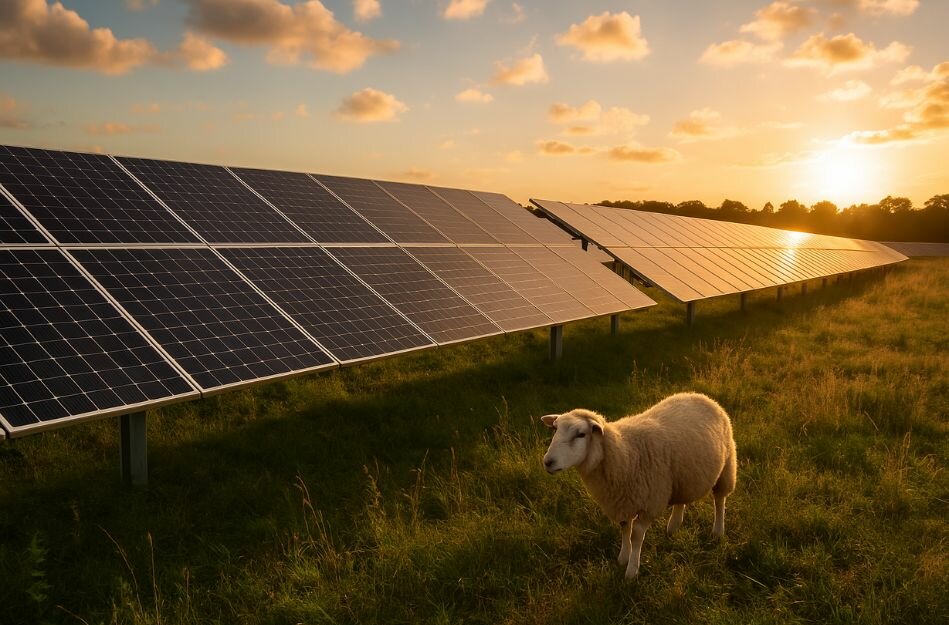
Boralex is actively engaging with local stakeholders, including town and county representatives, state officials, school districts, and community organizations, to ensure responsible integration into the areas.
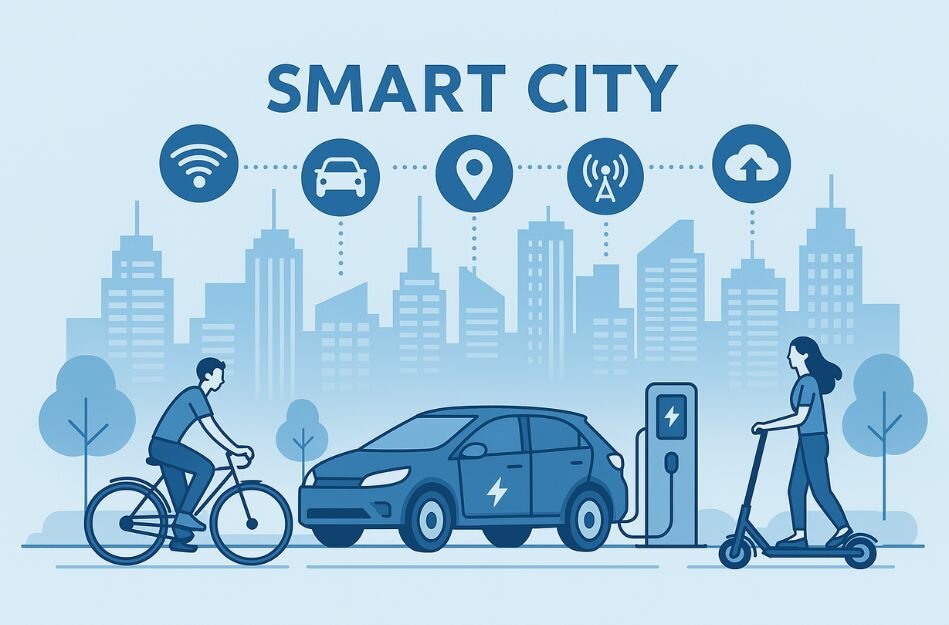
Micromobility Fire Safety Standards Act of 2025: Ensuring safe e-bike and e-scooter use in D.C. by requiring UL-certified batteries to prevent fire risks.