

Rising gas prices from Iran war disruptions are forcing a faster EV reckoning—but the real bottleneck is no longer consumer preference or charging stations. It's the grid itself.

Gateway Fleets’ 100-truck order shows a more practical path to EV adoption. The model bundles vehicles, charging and support for delivery operators.

Efficiency upgrades in commercial buildings are delivering diminishing returns. What facility managers need to know about the economics and what to prioritize next.

U.S. battery supply chain plans are shifting into real projects. New federal funding is backing domestic electrolyte production and reducing reliance on imports.

NYC is investing in EV workforce training to keep charging networks running. A Brooklyn program connects hands-on skills with growing job demand.

EPRI and EV Charging POD experts reveal why interconnection timelines, on-site generation, and data gaps are slowing electric vehicle infrastructure.

ABB’s South Carolina site shows how legacy facilities can modernize efficiently. Solar, data, and phased upgrades cut energy use without slowing output.

A new recycling method could recover more battery materials with less energy. The approach may improve supply stability and reduce waste.
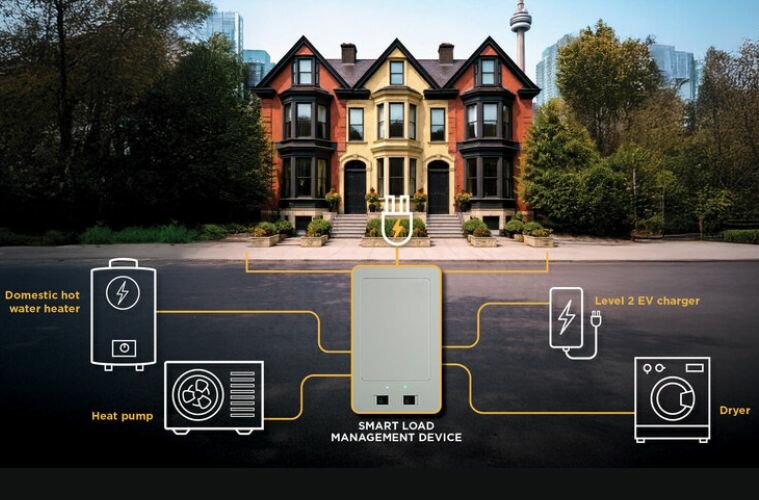
The Multiplex PowerPlay pilot funds smart load management systems that balance energy consumption in real time, keeping demand within existing panel limits without requiring a full service upgrade.

Electric vehicles are being tested as flexible grid resources. New pilots show how EVs can supply backup power and help manage peak demand.

A Rhode Island House bill moving to committee hearing this week would remove clean coal from the state's list of preferred fuels for energy facility approvals.

Beyond Aero has completed a key design review for its hydrogen aircraft. The milestone supports certification progress and moves the program forward.

Workhorse says its electric fleet has surpassed 20 million miles in real-world use. The milestone highlights growing adoption of EVs in delivery fleets.

Ballard will supply 500 fuel cell engines to New Flyer for hydrogen buses starting in 2026. The agreement signals growing transit demand for zero-emission alternatives to diesel.

A new solvent-based process could accelerate lithium extraction from brines. The approach may unlock lower-grade resources beyond traditional evaporation regions.

Zero-emission bus adoption is expanding beyond early coastal markets. New data shows transit agencies nationwide increasing electric and hydrogen bus deployments.

A UK company is developing a new way to produce iron phosphate for LFP batteries. The process could help Western markets reduce reliance on Chinese supply.

New refrigerant rules are live, HFC costs are rising, and cold chain emissions are absent from most decarbonization roadmaps.
An op-ed examining why Europe’s EV incentives drive adoption through fleets, payroll, and tax policy, while U.S. EV subsidies focus on purchase credits.

SNE Research projects the global fuel cell electric vehicle market will grow from 16,000 units in 2025 to 3.03 million by 2040, led by commercial trucks and buses.