Supported by $450,000 from the New York Power Authority (NYPA), the Brooklyn Navy Yard Development Corporation (BNYDC), in partnership with SmarterHelp, is launching a workforce development program focused on maintaining and repairing EV charging systems. The effort reflects a broader industry shift toward aligning clean energy investment with job readiness.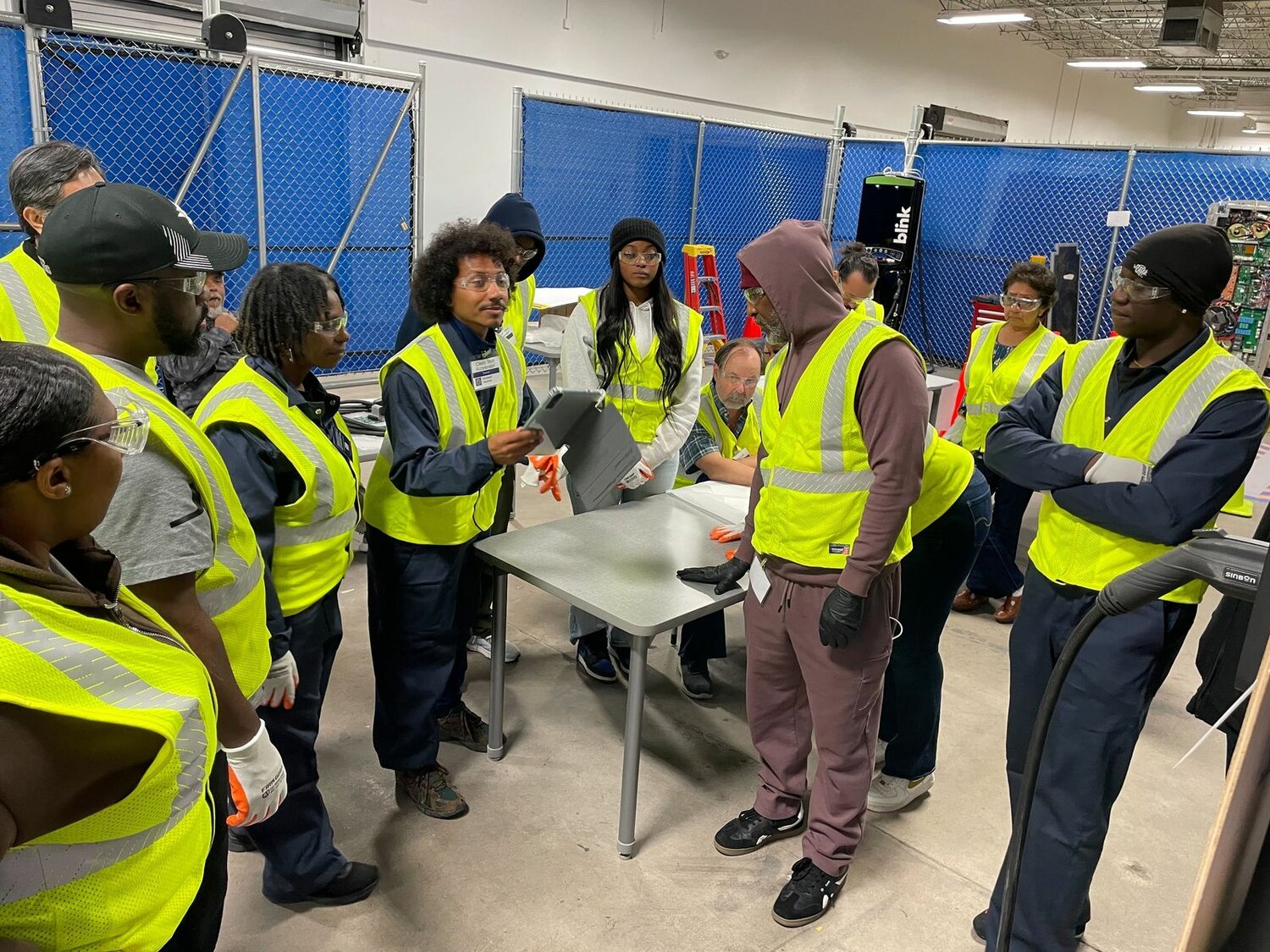
The rapid buildout of charging networks is exposing a shortage of technicians equipped to service and maintain the systems. The Brooklyn Navy Yard program is designed to address that gap with hands-on, applied training rather than theory-heavy coursework.
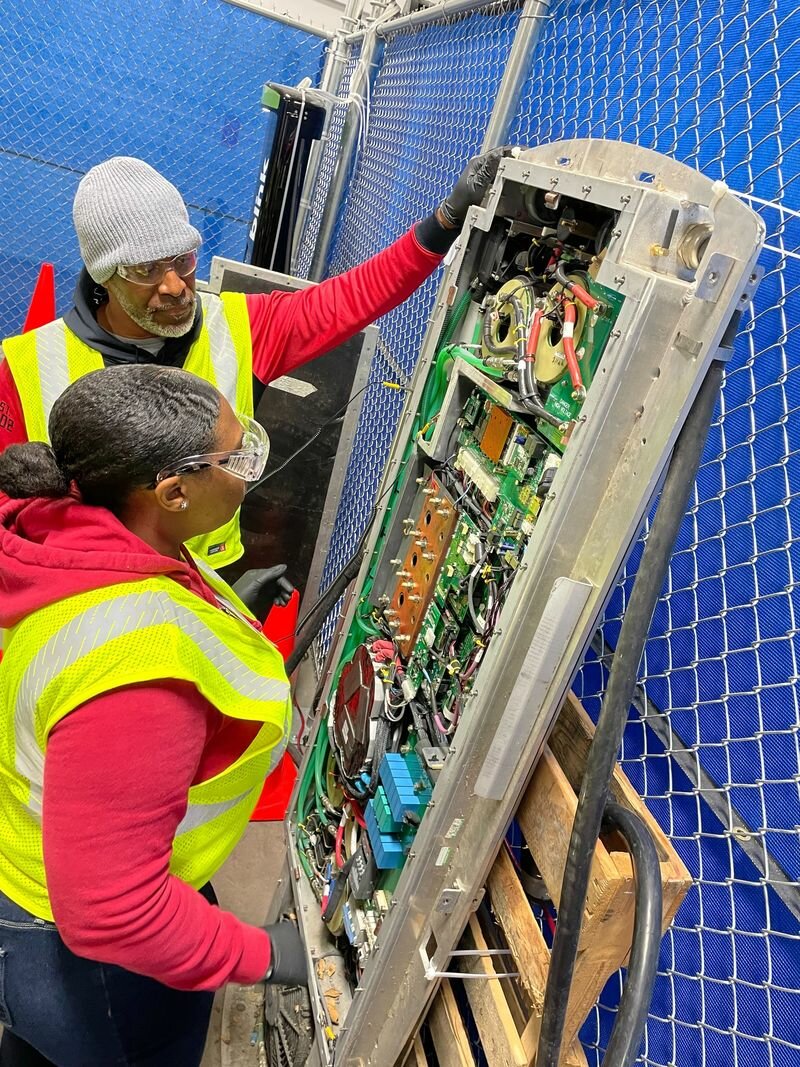
Participants will work directly with EV charging equipment inside a newly established Smart Lab, gaining experience in electrical systems, diagnostics, and repair. The approach prioritizes practical competency, aiming to reduce the lag between training completion and job placement.
As charging networks scale, reliability is becoming as critical as deployment. Without a workforce capable of maintaining uptime, infrastructure investments risk underperforming. Programs like this signal a shift toward integrating workforce planning into early-stage infrastructure strategy.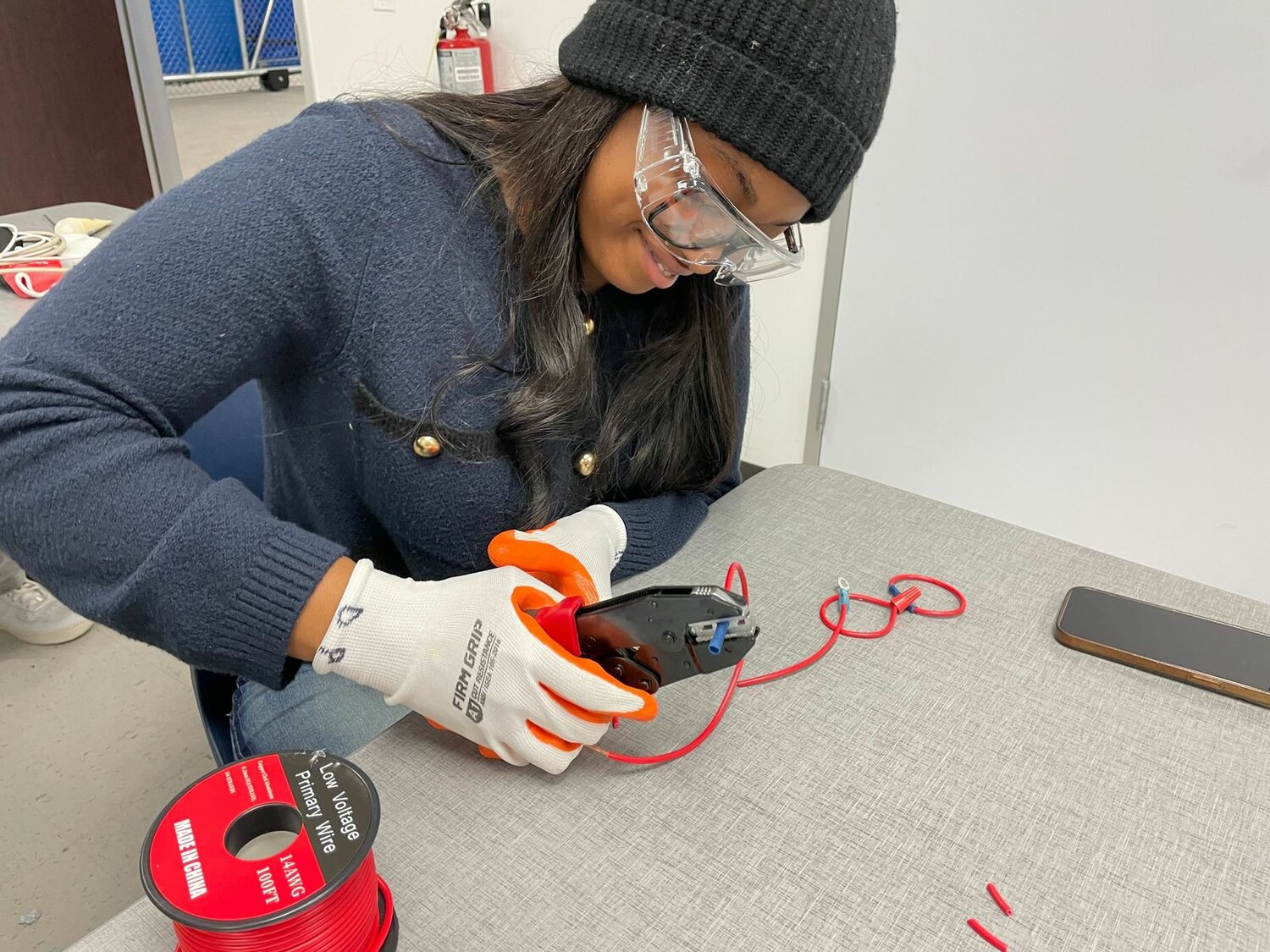
The structure of the program reflects an effort to widen access to technical roles. Designed as a part-time offering, it allows participants to balance training with existing work commitments—an increasingly common requirement in workforce development models.
BNYDC is positioning the initiative as part of a broader push to connect local communities with emerging sectors. By lowering scheduling barriers and focusing on job-linked skills, the program is designed to create more direct entry points into clean energy careers.
Job placement is a central component. Graduates will be connected to employers through networks established by BNYDC and SmarterHelp, reinforcing a model where training is closely tied to employment outcomes rather than standalone certification.
At the state level, the initiative aligns with NYPA’s wider workforce investment strategy, which is channeling $5 million into clean energy training programs. With nearly 185,000 clean energy roles already in place across New York, the emphasis is shifting toward sustaining that workforce as infrastructure demands grow.
The Brooklyn Navy Yard program offers a case study in how cities can align infrastructure expansion with labor market needs—an approach that may become increasingly necessary as EV adoption moves from early growth to long-term scale.