

Wildfire smoke and ash degrade Alberta and BC transmission infrastructure far beyond fire proximity. Industrial operators in western Canada face a reliability risk window that starts earlier each year.

Wet bulb temperatures in the Gulf and South Asia are crossing physiological safety limits earlier each year. Most multinational heat protocols are not calibrated to where peak exposure actually occurs.

A new electrified cement process could cut energy use and emissions. Using waste cement as feedstock, UBC researchers report a possible circular route.

France's nuclear fleet reduces output every summer as river cooling limits are exceeded. For multinationals with European operations, the seasonal price spike is now predictable enough to plan around.

UHERO's 2026 Housing Factbook documents declining condo prices, surging insurance premiums, and new FEMA flood map changes arriving in June that will raise carrying costs further.
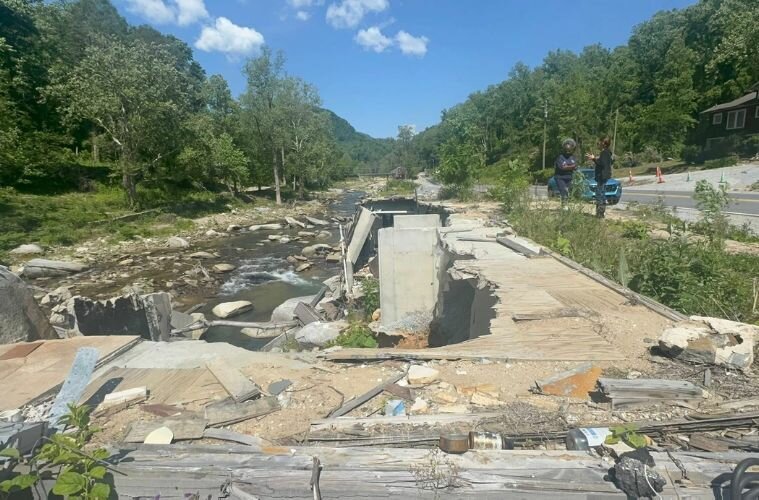
FEMA approved $1.2 billion across seven southeastern states for COVID-19 pandemic reimbursements and disaster recovery work tied to Hurricane Helene.

Zelestra’s 6.5 MWdc Ginosa plant is now online in Puglia. The project links clean power with continued farming, a long-term PPA and student training.

Durham's Society 5.0 model shows how integrated infrastructure intelligence is becoming a material factor in corporate investment and workforce decisions in 2026.

Antarctic ice shelves act like doorstops, slowing land ice from reaching the sea. New modeling shows hidden channels underneath may speed up melt.

A Rice University PNAS study links El Nino and Indian Ocean Dipole climate patterns to armed conflict onset in drought-exposed regions, with implications for supply chain and operational risk planning.

Four months of rainfall deficiencies have pushed water storage and soil moisture to critical levels across eastern Australia, with record lows recorded in New South Wales.

Inventory accounting tells you your footprint. Impact accounting tells you your contribution. The difference is one the industry can no longer afford to ignore.

The cost of not investing in climate health systems is quantifiable, and the financial return on investing in them is exceptionally high.

Nine Florida schools earned Melbourne's 2026 ECO School Awards for integrating sustainability, conservation, recycling, and habitat programs into campus life and community engagement.

New Mexico launched a public dashboard to monitor its 50-year water action plan as the state faces a projected 750,000 acre-foot shortage
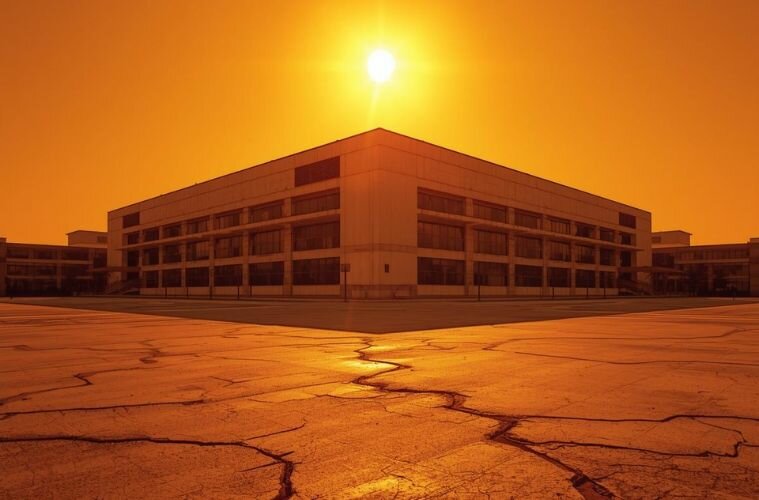
Building energy models were calibrated against climate conditions that no longer exist. Facilities leaders need to understand what that means for efficiency projections and equipment design.

Why flooding, heat, and drought are degrading facility values and restricting insurance access faster than corporate financial models account for.

California's geothermal planning bill AB 526 died in Appropriations in 2025. A companion CEQA bill was vetoed. Here is where California's in-state geothermal strategy stands now.

Researchers test a vibration based method to scale graphene production with lower energy use. Soon results show faster output and less environmental trade offs.

California’s $20M Project Nexus has completed construction on the first U.S. solar-covered irrigation canal, measuring water savings, power generation, and maintenance cost reductions simultaneously.