


Companies that map their full supply chain typically find more than they expected: hidden concentration, environmental exposure several tiers deep, and risk that travels farther than anyone modeled.

Consumer Reports detected no PFAS above its threshold in 18 baby wipe brands. No federal standard requires manufacturers to test or disclose PFAS content in personal care products.

Pennsylvania has addressed less than 2% of its documented inventory of orphaned and abandoned wells, each one a potential source of methane emissions, groundwater contamination, and safety risk.

Switch Bioworks is testing microbial fertilizer in Midwest corn fields. The trials will show whether engineered microbes can support nitrogen delivery at scale.

Chloride ions from seawater are drawing new battery research attention. Early solid-state work could support future grid storage beyond lithium.

Colorado River storage is shrinking. Businesses face tighter water planning, higher supply risks and fewer buffers against dry years.

Ohio's House passed H.C.R. No. 35 63-32 on June 9, urging Congress to reform federal energy permitting and citing a 2,000-gigawatt interconnection backlog and NEPA timelines near four and a half years.

The East African Crude Oil Pipeline is 80 percent complete, with first oil exports targeted for October. The final river and wetland crossings now underway are, by the project's own assessments, the most ecologically consequential phase — and the damage, once done, cannot be undone.

Las Virgenes is testing subsea desalination. The project could add a local supply option as drought and imported water risks grow.

Canovation and CANPACK are preparing CanReseal for pilot-line use. The project tests whether resealable aluminum cans can fit existing production.

Wisconsin settled its PFAS enforcement case against Tyco Fire Products, requiring a $10M trust fund payment, replacement wells, and 20 years of groundwater monitoring in Marinette County.
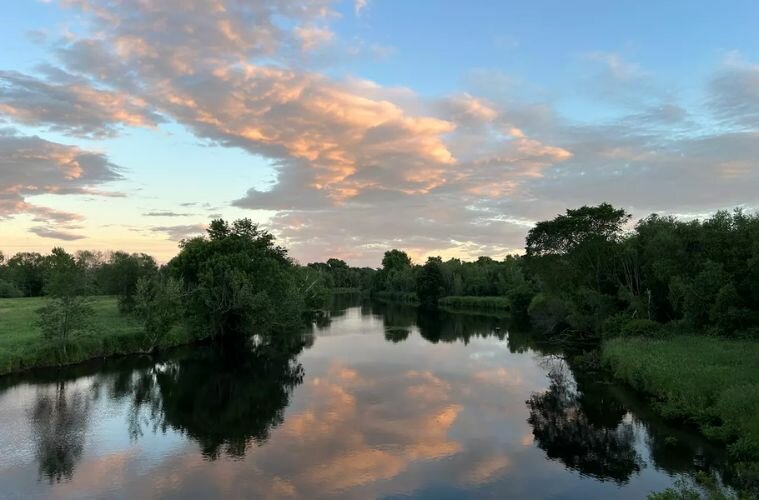
Massachusetts health officials are testing air quality at Uxbridge High School after multiple teachers were diagnosed with breast cancer.

Vermont's governor vetoed H.727, the Vermont Sustainable Data Centers Act, on May 28. The House failed to override the next day, leaving the state reliant on existing regulatory tools.
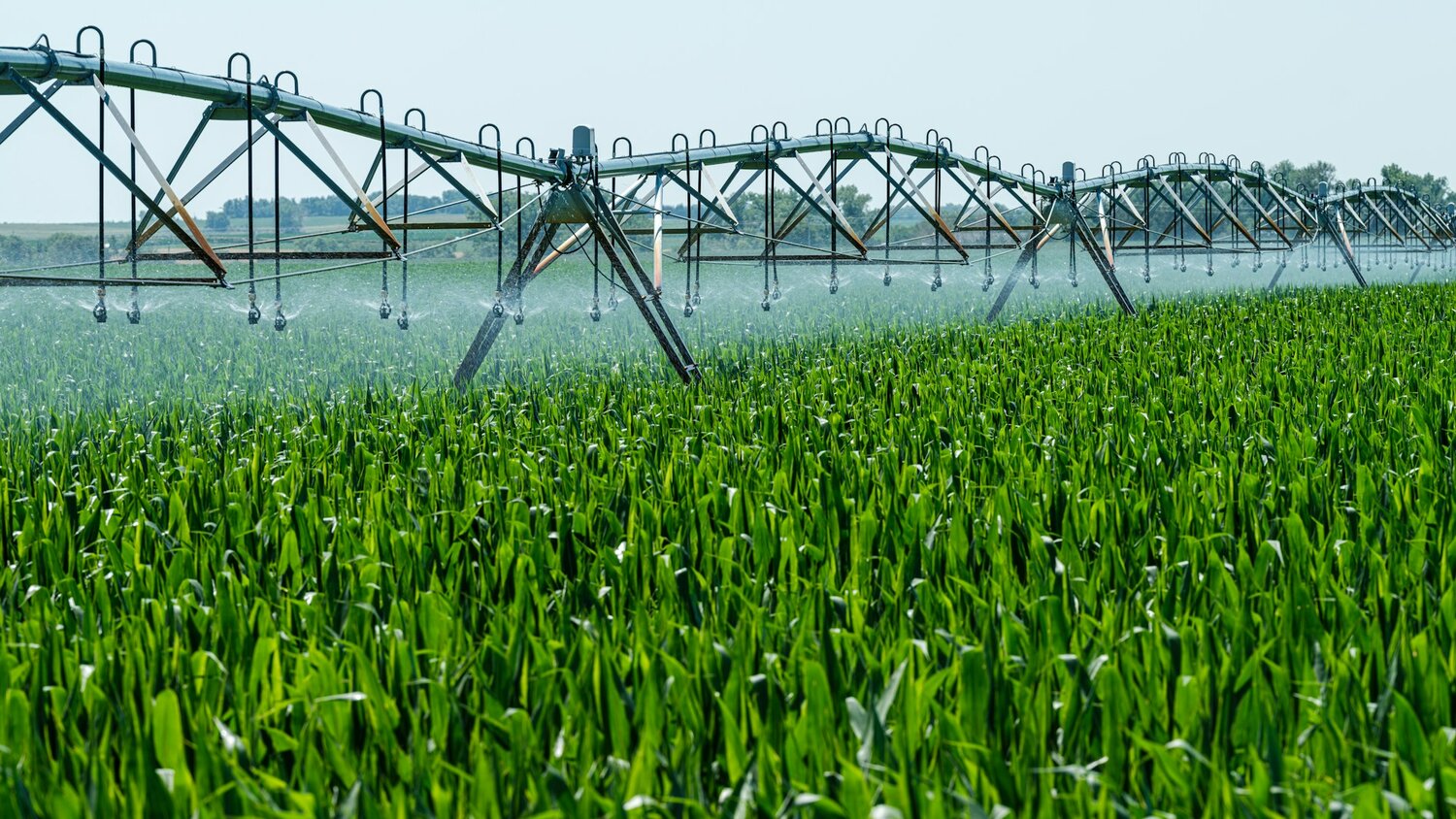
Water risk is becoming a business issue for agriculture-linked companies. A new Bluerisk guide sets out practical steps to strengthen supply chain resilience.
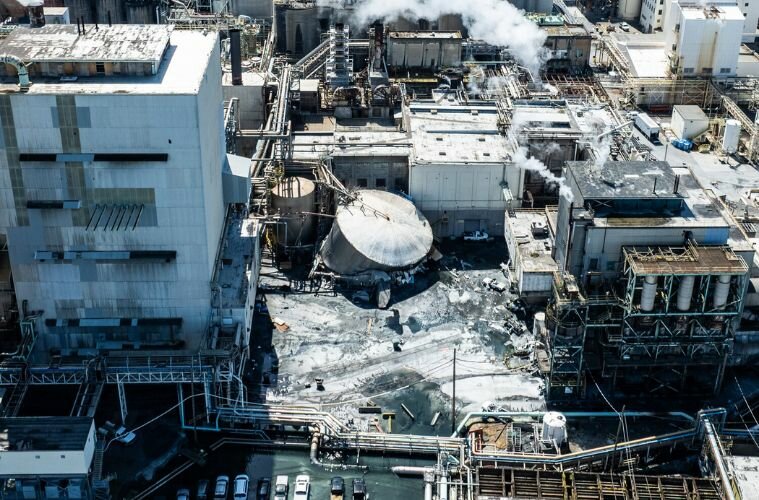
A 900,000-gallon white liquor tank implosion at Nippon Dynawave's Longview mill killed 11 workers on May 26. Federal investigators are on site as scrutiny mounts over the facility's safety record.

Investors call corporate water risk disclosure unfit for decision-making yet keep relying on it. As regulatory pressure builds and water stress accelerates, that tolerance is ending.

As organizations face increasing pressure to manage water resources more efficiently, Amazon is highlighting its approach to water stewardship through a new online resource that details the company's efforts to reduce consumption, expand water reuse, and replenish water resources in communities where it operates.

FireRock’s turf shift cuts water demand. It also keeps more tee times open as desert golf operators rethink winter overseeding.

Ameresco's Phase 1 manhole rehab in Mesquite, TX shows how cities are managing inflow and infiltration compliance risk as EPA enforcement on wastewater systems tightens heading into summer.

Regulators want data with a documented chain of custody. Assurance providers want controls, not commitments. Most corporate sustainability programs were not built for any of those three things.