
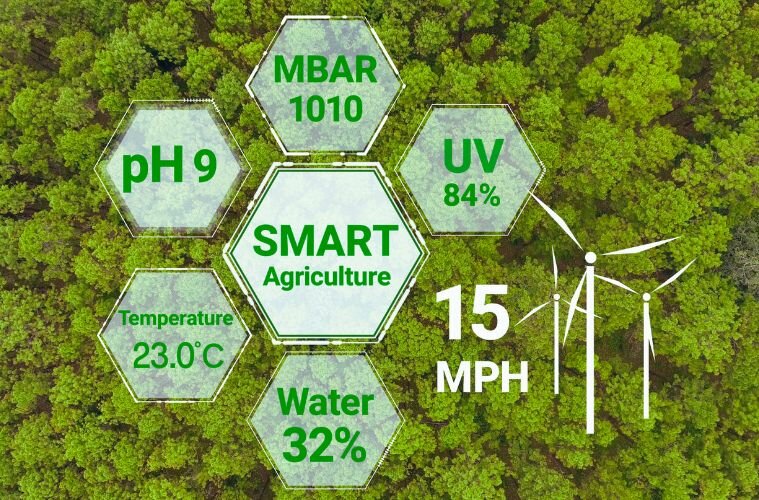
Learn how Bayesian probabilistic models improve agricultural planning, resource efficiency, and food security through real-time data and historical insights.

Recent study finds that microplastics enable bacteria to develop stronger antibiotic resistance, highlighting substantial risks for healthcare.

Researchers use bioacoustic monitoring to track bird populations and assess forest health, providing cost-effective insights for management.

Romania’s new $152M hydrogen hub will drive innovation in production, storage, fuel cells, renewables integration, tech transfer, and workforce training.
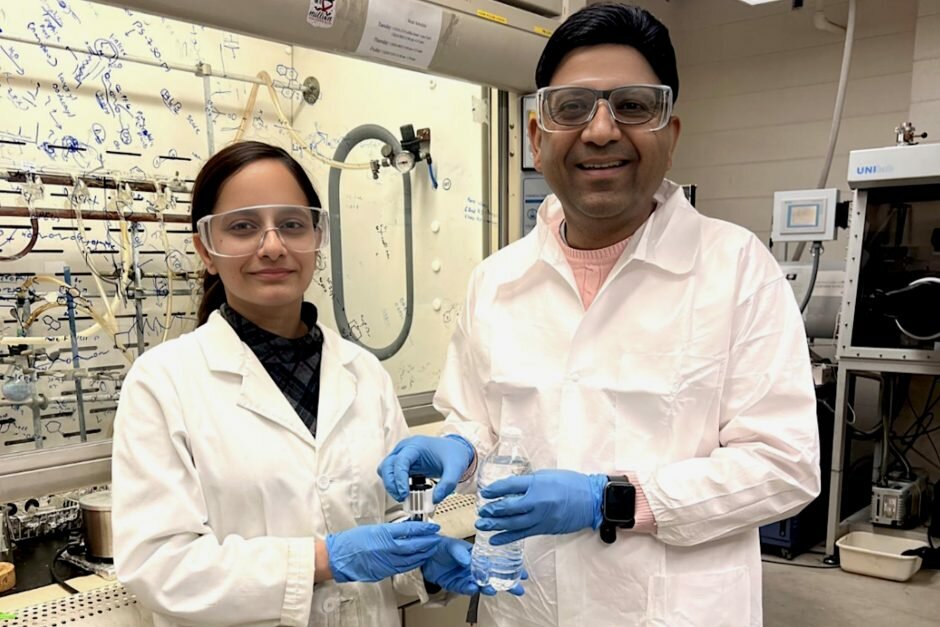
Researchers have developed a micellar electrochemistry method that boosts pharmaceutical efficiency while enabling sustainable pollution cleanup.

A new study finds U.S. butterfly populations have declined by 22% in 20 years, endangering ecosystems, agriculture, and pollination.
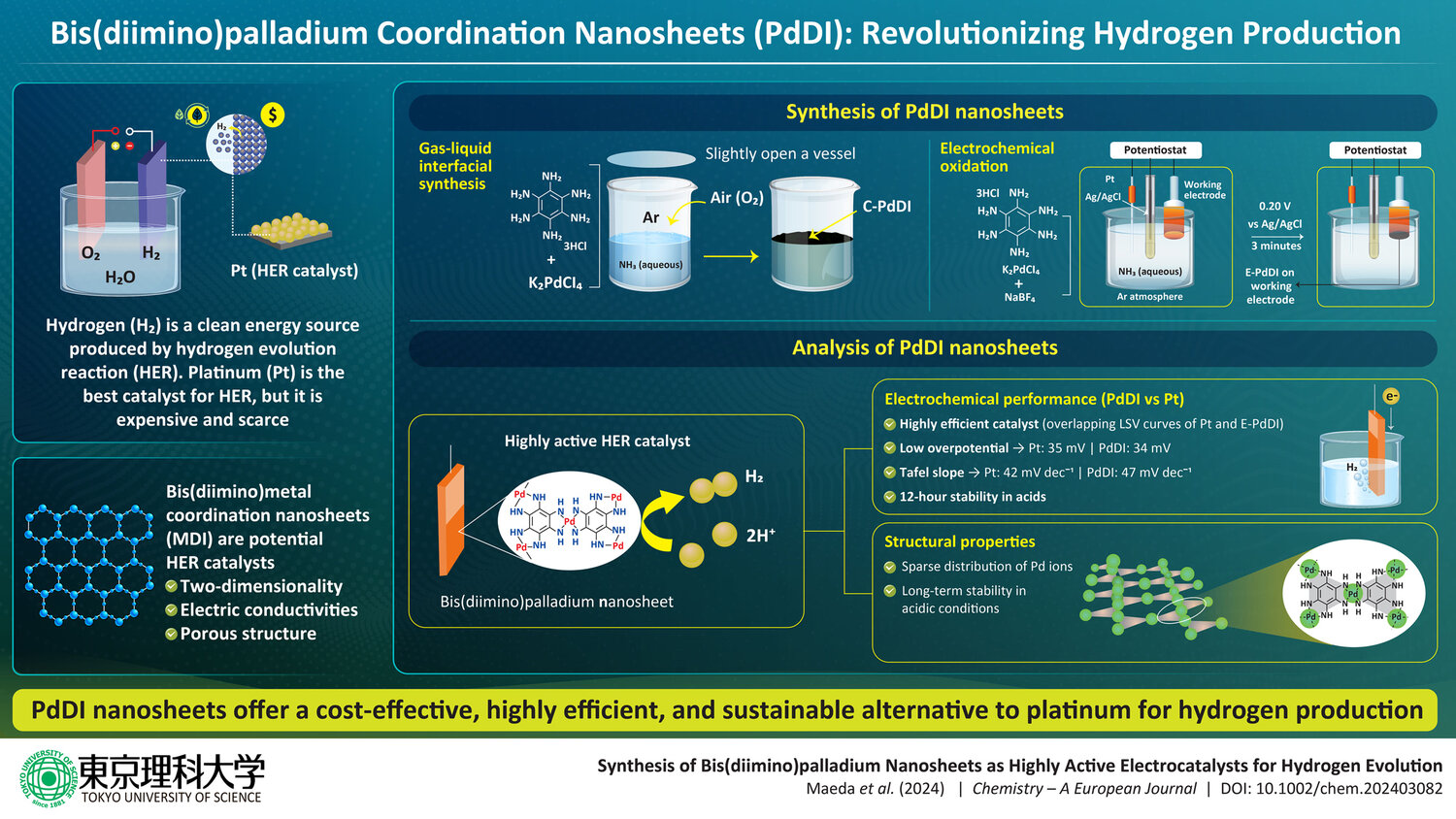
Researchers have developed a palladium-based catalyst for hydrogen production that matches platinum’s efficiency while using ten times less precious metal.

A Stanford-developed process accelerates carbon capture using common minerals, offering businesses a cost-efficient, energy-saving alternative.

A study of 24,000+ U.S. lakes shows climate change affects algal blooms—but human activity often masks or alters these impacts.
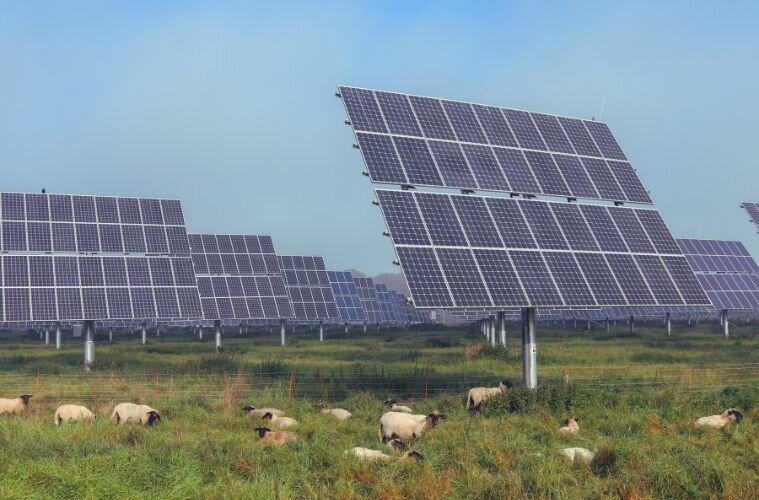
According to the ASGA, the U.S. currently has over 129,000 acres of solar sites maintained by 113,000 sheep across 30 states.

EV adoption is rising, doubling electricity demand in some areas. With smart charging and grid planning, utilities can balance the load efficiently.

UK peatland fires are a major carbon threat, emitting up to 90% of fire-driven emissions. Businesses must act to mitigate climate risks.
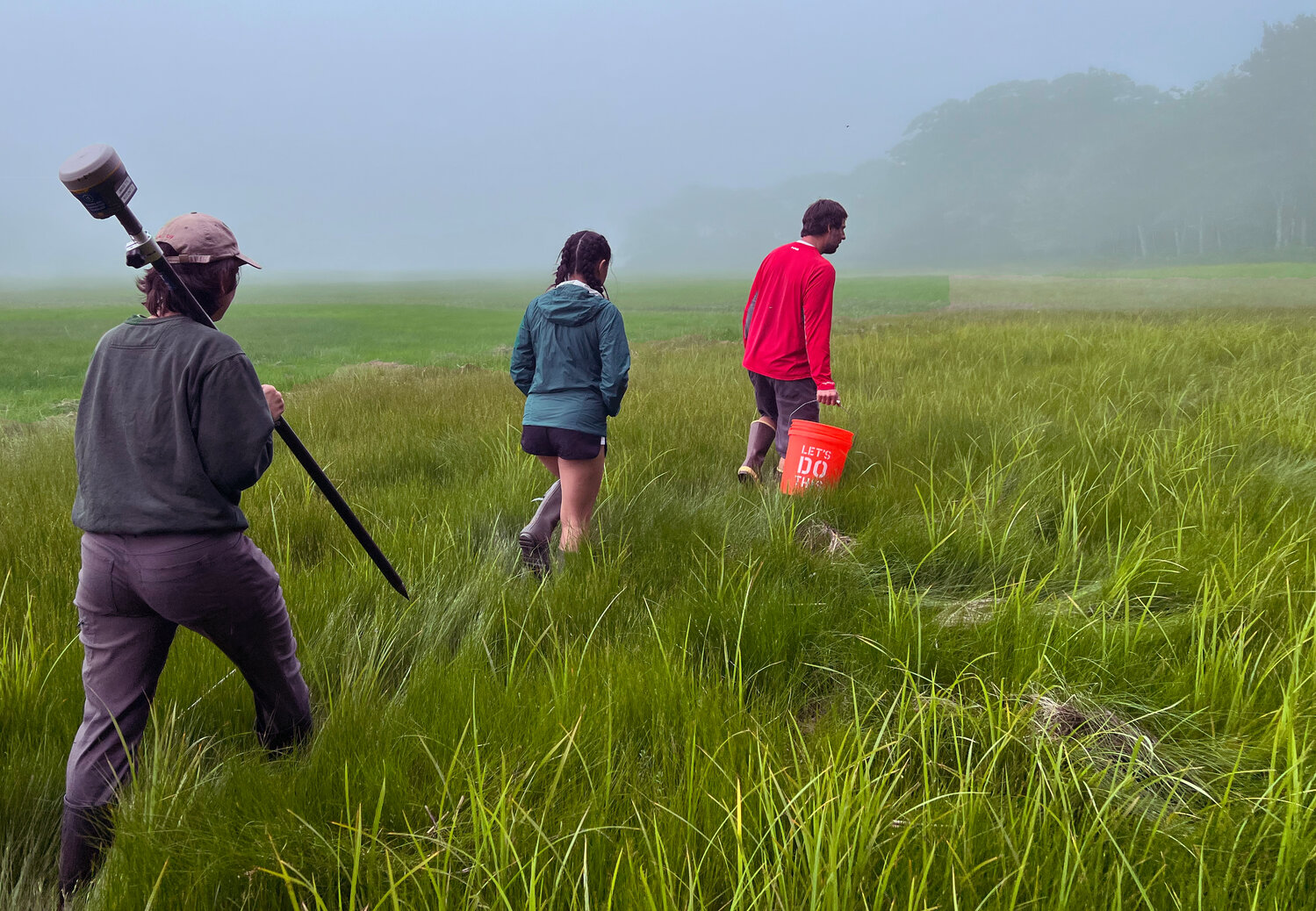
A UMass Amherst study finds New England’s salt marshes store carbon equal to 10 million vehicles, presenting new opportunities for businesses.
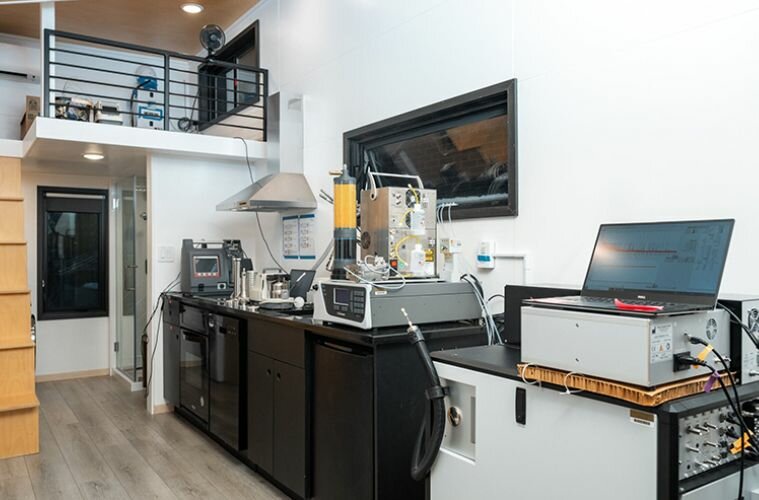
What smells clean isn’t always safe. New research shows that common scented products can release nanoparticles that penetrate deep into the lungs.

Corning’s ceramic honeycomb substrates boost carbon capture efficiency. Their innovative design helps cut CO2 emissions on an industrial scale.

Global vegetation growth hit a record high in 2020, driven by CO2 and reforestation. This surge offers new opportunities in climate solutions.
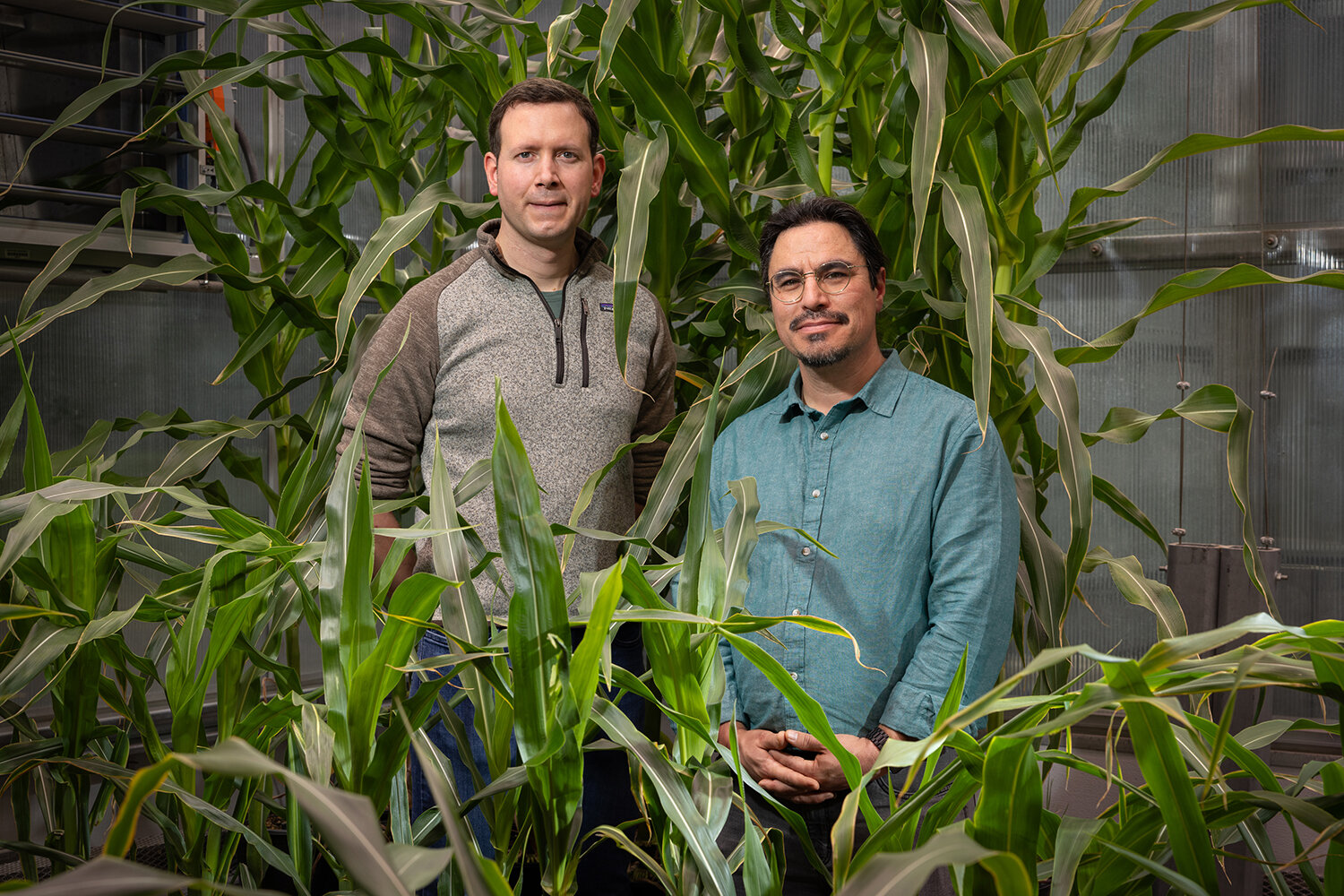
Discover how scientists are unlocking drought-resistant corn through genetic breakthroughs, enhancing crop resilience amid climate change.

Texas A&M announces plan to drive the future of nuclear energy with SMRs, partnering with top companies to boost power for key industries.

Scientists have developed a nanopesticide system that enhances pesticide adherence, reducing waste and improving crop protection efficiency.
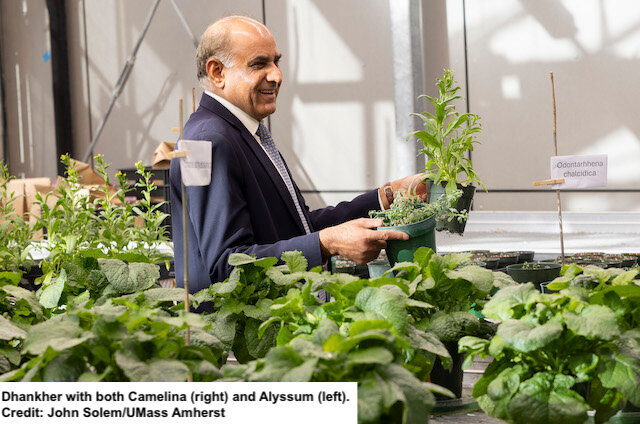
A breakthrough at UMass Amherst could supply 30% of U.S. nickel demand using modified plants. This innovation supports green energy and mining.