

Pennsylvania's first BEAD awards send $448 million to 50 counties, and the state says local permitting will now decide how fast networks reach rural sites.

The House will vote this week on H.R. 9340, testing bipartisan support for making large data centers pay the full grid costs required to serve them.

PacWave South offers a new model for energy development by giving companies pre-permitted, grid-connected infrastructure for testing emerging technologies.

After installing 100 community batteries, Australia is testing utility ownership and revenue stacking models that could support wider deployment.

Grid constraints are forcing facilities to separate electricity procurement from reliability and budget for storage, backup power and redundancy.

Thousands of gamers are pooling subscription revenue to support a 110 MW Texas solar project. The deal tests a new route into clean energy procurement at scale.

Utilities are planning record grid investment, but Fitch warns that affordability pressure and regulatory resistance threaten timely cost recovery.

A transformer and switchgear shortage threatening data center development is also affecting utilities, power projects, and broader industrial expansion.

South Korea's government has committed to an 18.4 GW AI data center buildout backed by discounted power and land rights, ahead of confirmed demand.

Minnesota regulators approved Xcel Energy's utility-owned distributed battery program, creating a closely watched test of who should own customer-sited storage.
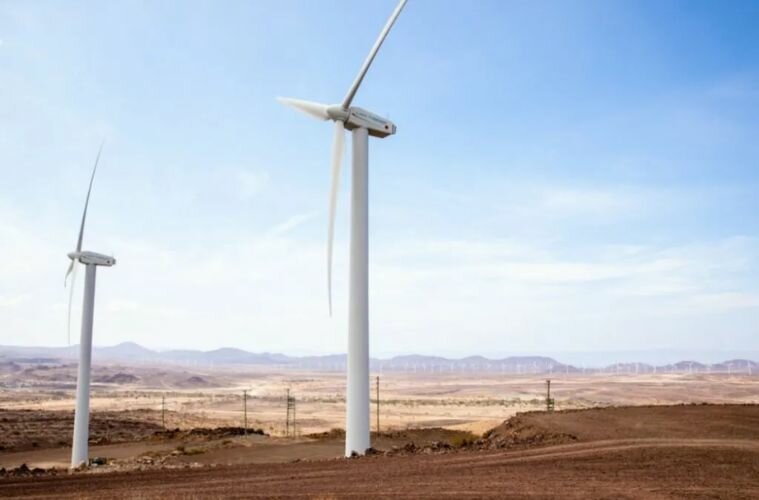
Africa's transmission networks are falling behind power demand, renewable generation, and the industrial corridors governments hope to develop.

India's electricity demand is outpacing transmission buildout, creating grid connection risk for manufacturers evaluating the country for new facilities.
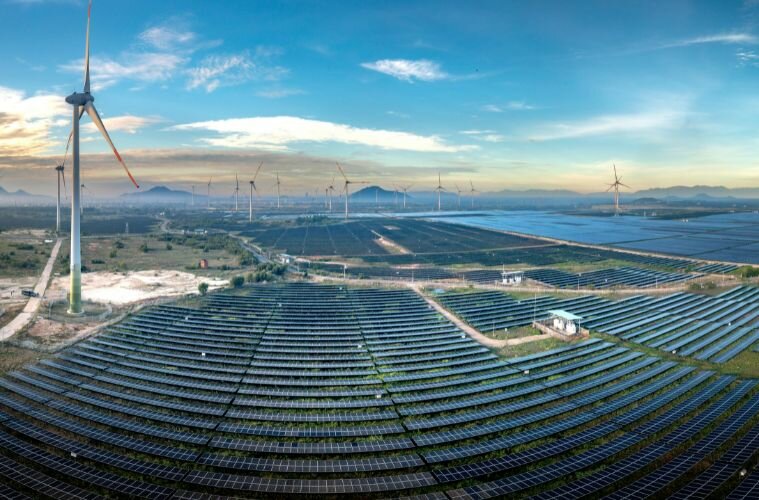
Vietnam and Malaysia are expanding transmission capacity in anticipation of future semiconductor demand, treating grid readiness as industrial strategy.

Colorado's Local IMPACT Accelerator is funding all-electric building codes in six jurisdictions, each required to exceed the newly adopted statewide MLECC.

Tax incentives are sliding down site selection checklists as states compete on power availability, and several are already rebuilding programs around it.
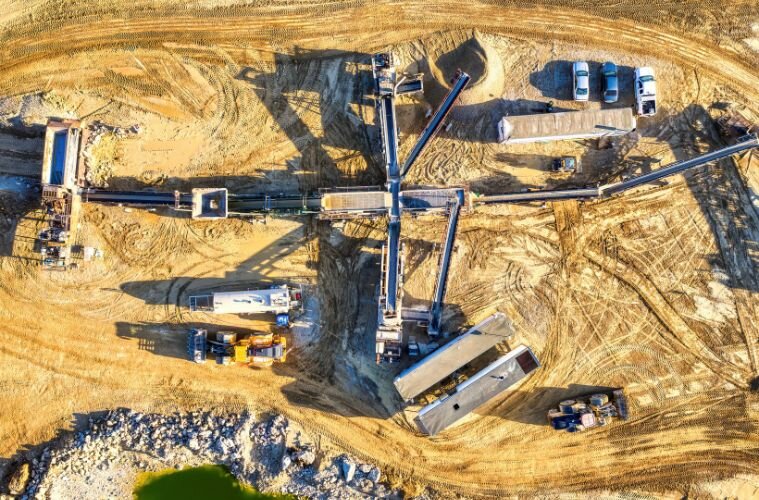
Power constraints can delay facility openings, increase carrying costs, and force expensive temporary power investments that reshape project economics for CFOs.

Data centers are absorbing grid capacity that manufacturers need for expansion, forcing executives to treat power access as a site selection variable.

PJM has issued multiple grid reliability alerts as extreme heat pushes electricity demand toward a potential summer record across the Mid-Atlantic.

CFOs entering Q3 face a triage question: which infrastructure-dependent projects can actually execute on their original timelines, and what changes next.

Infrastructure constraints on power, water and permits are structural, not cyclical. Executives still planning around their resolution are planning for an environment that doesn't exist.