

EHS, facilities, procurement, and sustainability each left something unresolved in Q2. Here is what each function needs to close before the second half starts.

Capital stalled, compliance maps got harder, and supply chain pressure formalized. Executives who planned for Q2 resolution need a different framework going into the second half.

Silicone hull paint beat copper coatings in European tests. The findings could reshape antifouling choices for boatyards, marinas and paint suppliers.

The Global Environment Facility's latest funding cycle prioritizes biodiversity, climate resilience, water management, and clean energy projects through 2030.
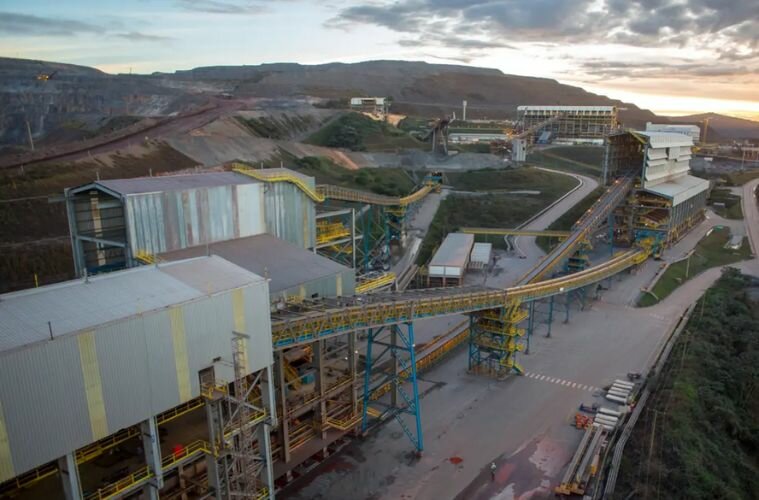
Vale reports a 25% productivity gain at its AI-integrated Conceição 2 plant in Brazil, with a 40% increase in direct reduction pellet feed output and a 26% drop in iron lost to waste.

Power is no longer just an operating cost. In 2026, electricity availability is shaping investment decisions, facility expansion, and corporate growth.

Climate litigation, conflicting regulations, and unresolved ownership rules are creating new obstacles for voluntary carbon markets just as corporate demand is expected to grow.
DOE selected TerraSpark Energy Campus in Grant County, West Virginia for up to $18.5 million to advance engineering and permitting for a 1.6 GW coal-with-carbon-capture project.

Bio-PDO is moving from green claim to measured carbon data. The latest LCA gives buyers clearer evidence on renewable inputs.

The Justice Department seeks dismissal of an NAACP Clean Air Act lawsuit against xAI, raising broader questions about enforcement authority and AI infrastructure.

The BLM approved initial infrastructure for the Dewey-Burdock uranium project, advancing a long-debated in-situ recovery development in South Dakota.

Environmental accountability has moved from the sustainability department into the executive suite. The C-Suite Outlook 2026 shows not every leader has adjusted to that shift.

Climate policy uncertainty is affecting firm-level investment, employment, and R&D as a material financial risk. Companies managing it best are treating it as a capital strategy problem.
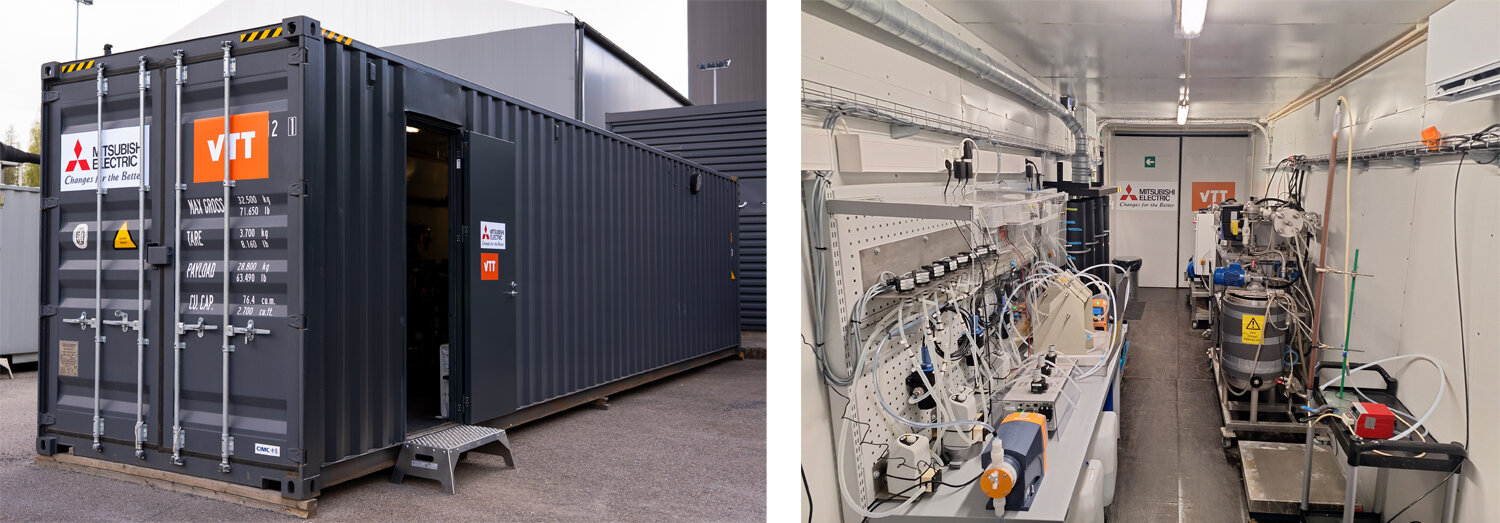
Mitsubishi Electric and VTT are preparing a direct ocean capture system for coastal trials. The work could test seawater's role in scalable carbon removal.

A federal appeals court declined to halt a North Carolina water permit for the Mountain Valley Southgate pipeline, reinforcing agency discretion in environmental reviews.
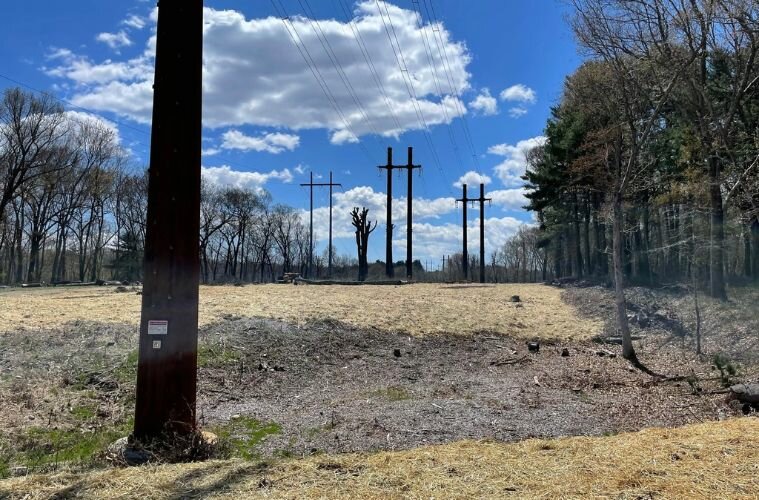
A Rhode Island bill would reopen questions about utility-owned generation, storage, reliability, and who should build the power system needed for demand growth.

Only 37% of corporate net zero targets cover Scope 3. Supply chain emissions average 11 times a company's own footprint. The people deciding whether climate goals are met are upstream.

Companies are now accountable for emissions and environmental risk in supplier facilities they do not own. Most sustainability programs were not built for that scope.

TerraCycle’s NLR deal adds regulated waste capacity. The move gives business customers broader recycling and compliance support.

Two Arizona rate cases approved increases of up to 300% for small rural water systems with aging infrastructure, reflecting a national pattern Pew and AWWA research puts at $2.1 trillion in need by 2050.