
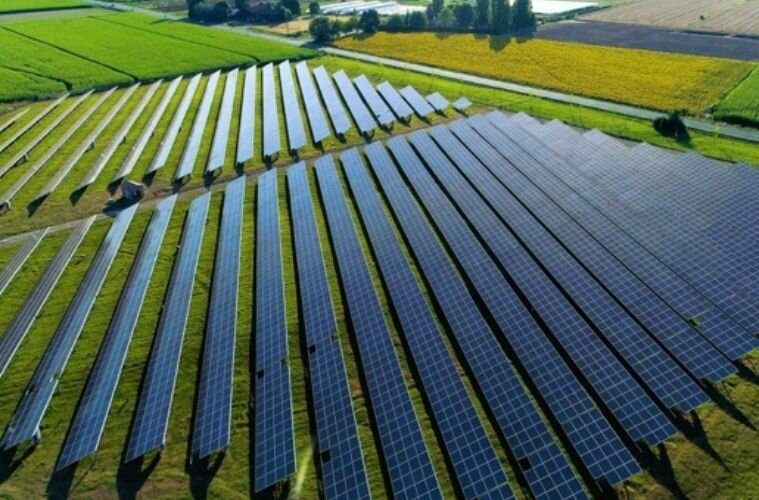
Virginia enacted SB508 April 22, directing Dominion Energy and Appalachian Power to assess unused solar interconnection capacity and pilot storage programs.

Home batteries are now earning income by supplying energy to the grid during peak demand. Programs in Maine highlight their growing role in grid stability.
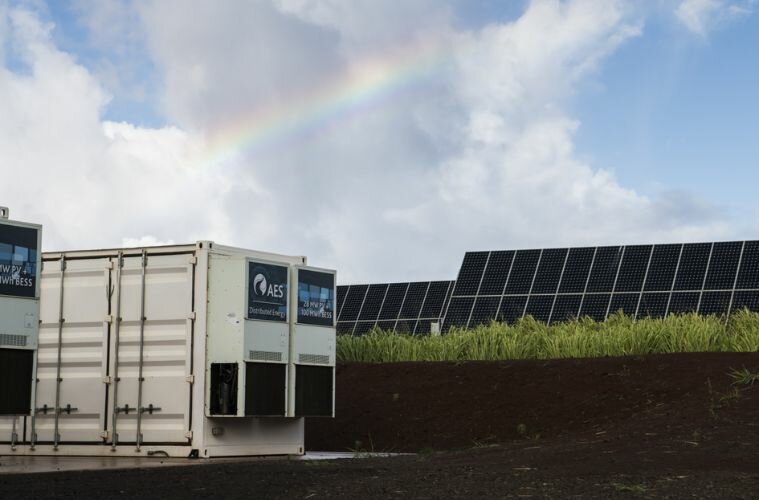
For facilities under grid pressure, on-site generation is no longer primarily a sustainability play. It's the clearest available tool for managing operational risk.

Virtual PPAs were built for a grid with room to grow. As congestion spreads and basis risk climbs, procurement teams need a new contracting playbook for current grid conditions.

NYC is investing in EV workforce training to keep charging networks running. A Brooklyn program connects hands-on skills with growing job demand.

Water risk is now immediate for U.S. businesses. Contamination, rising demand, and uneven regulation are turning supply into a daily operational challenge.

Grid constraints aren't only about regions that need more power. States generating surplus renewable energy they can't export face a different but equally real access problem.
ETI has launched a hydrogen truck for long-haul freight. It tests whether fuel cells can handle payload, range, and refueling limits at scale.
The EU's AccelerateEU plan responds to the Strait of Hormuz closure with fuel, grid, and clean energy actions that affect companies with European operations.

The assumption that power would always be available when a business needed it is no longer reliable — and that shift has consequences that go well beyond the facilities budget.

Battery risks are rising in hazardous settings as systems scale. Intrinsically safe monitoring helps reduce exposure and improve uptime.

Heat-tolerant enzymes are moving closer to industrial use. New structural insights show how proteins can stay stable and active in extreme conditions.

Two solar projects in the Midwest add 200 MW of new capacity. Utility and corporate buyers continue to drive demand for contracted renewable energy.

North Carolina is directing $215 million to 66 water infrastructure projects, with most funds rebuilding systems damaged by Hurricane Helene.

Gas bills are rising faster than inflation, driven by infrastructure costs. Businesses face growing pressure to rethink energy strategy.

A Japanese biomaterials firm is extending plant-based inputs into consumer goods, using nail cosmetics as an early test case for broader material substitution.

New research shows water quality data can help identify high-risk abandoned mine sites, improving how agencies prioritize cleanup efforts.

A new NRC rule is reshaping how advanced nuclear gets approved. AMPERA is among the first to engage, testing a faster path for microreactor deployment.

Food waste is shifting from an unavoidable loss to a controllable cost. Restaurants are using recycling and diversion to improve margins.

Permit timelines are stretching. Usage caps are being introduced. The regions that were supposed to make the next decade of growth easier are getting more complicated.