

San Francisco is beginning the process of consolidating planning and building departments to reduce permitting delays that have slowed housing and business development.

New York’s 2026 agenda targets aging buildings, grid strain, and large energy users as part of a broader effort to control energy costs and improve system reliability.

A compact storage system from Birmingham researchers could help commercial buildings cut emissions by converting surplus electricity into flexible thermal energy.

An Oregon lawsuit over nitrate contamination is drawing attention to how industrial wastewater partnerships can create direct legal and compliance exposure.

Hydrogen from sunlight just got cheaper. A Chalmers team has replaced platinum with plastic nanoparticles, opening a path to scalable, clean hydrogen production.

Dubuque is piloting organic land care in Jackson and Washington Parks. The project shifts focus to soil health, aiming to cut chemicals and boost resilience.
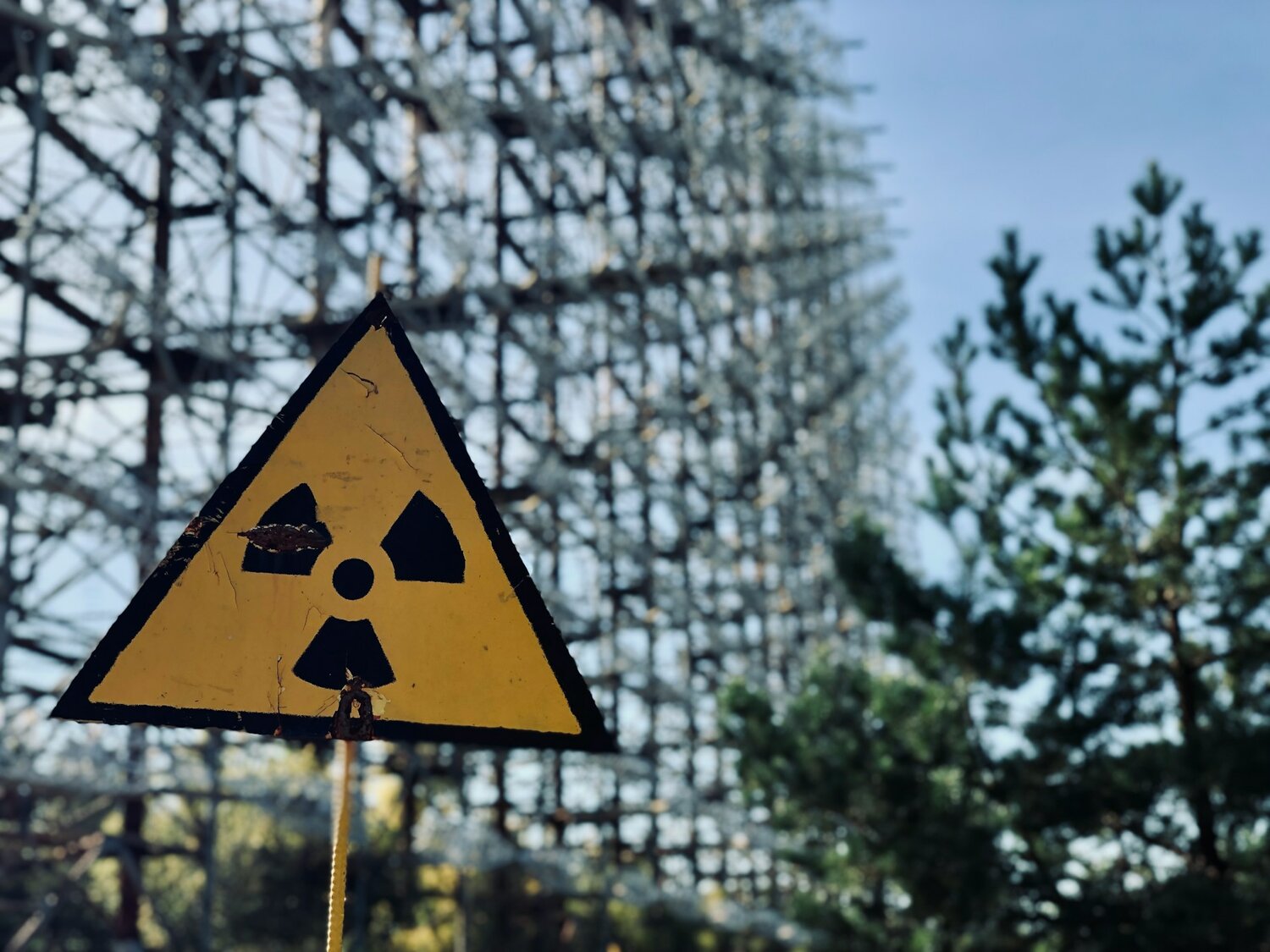
Security guards at Plant Vogtle have filed for a union decert vote. The outcome could reshape how labor representation works at high-security facilities.

As storms intensify, cities are shifting from pipes to permeable design. Sponge cities absorb rain where it falls, easing floods and boosting resilience.

The Hague is studying how treated sewage could power local heating. If viable, wastewater heat could serve up to 20,000 homes as part of the city’s energy shift.

RESA Power has acquired 3MD Power Services, strengthening its high-voltage transformer capabilities and expanding service reach across the South Atlantic.

Plastics shed micro- and nanoplastics just through water exposure. A new study highlights an overlooked pollution source hiding in plain sight.

Indiana lawmakers introduced a bill that would tighten utility oversight, restrict cost recovery through rates, and expand reporting and disclosure requirements.

Interconnection reforms and operator data reveal how grid congestion is reshaping project economics, contracts, and delivery risk heading into 2026.

Massachusetts’ PFAS legislation is advancing quickly, signaling broader changes in environmental oversight, infrastructure planning, and long-term accountability.

The Ohio Supreme Court upheld approval of a 130-MW solar project, affirming the Power Siting Board’s review of environmental, economic, and public-interest impacts.

Grid bottlenecks, transformer shortages, and supply chain delays are forcing boards to reassess capital timing, operational resilience, and enterprise risk.

Wicomico County selects Waga Energy to develop an RNG facility at Newland Park Landfill, capturing methane emissions and delivering renewable gas to Maryland’s pipeline network.

Battery storage surged past 5 GW in Q3 2025, outpacing last year’s total. With demand rising, storage is now key to keeping the U.S. grid stable and flexible.

Claros and Daikin have completed a large-scale PFAS destruction run. The system treated over 170,000 gallons of process water in an active plant setting.

Pennsylvania House narrowly passes HB 505, expanding utility energy efficiency, resilience, and conservation requirements with major implications for grid planning.