

Ava is extending its e-bike rebate program through 2027. The added $3 million will expand access while directing more spending to local bike shops.

Data center, power and infrastructure megaprojects are concentrating risk across the same contractor and surety markets, straining bonding capacity.

IRENA data shows renewable O&M job growth slowing even as capacity expands, pointing to a maintenance workforce gap arriving after construction ends.

A shortage of qualified electrical commissioning crews delays energization on projects already built, adding months after construction is finished.

Intel is cutting Data Center Group jobs even as AI infrastructure spending is set to reach $487 billion in 2026, per IDC, as electricity demand keeps rising.
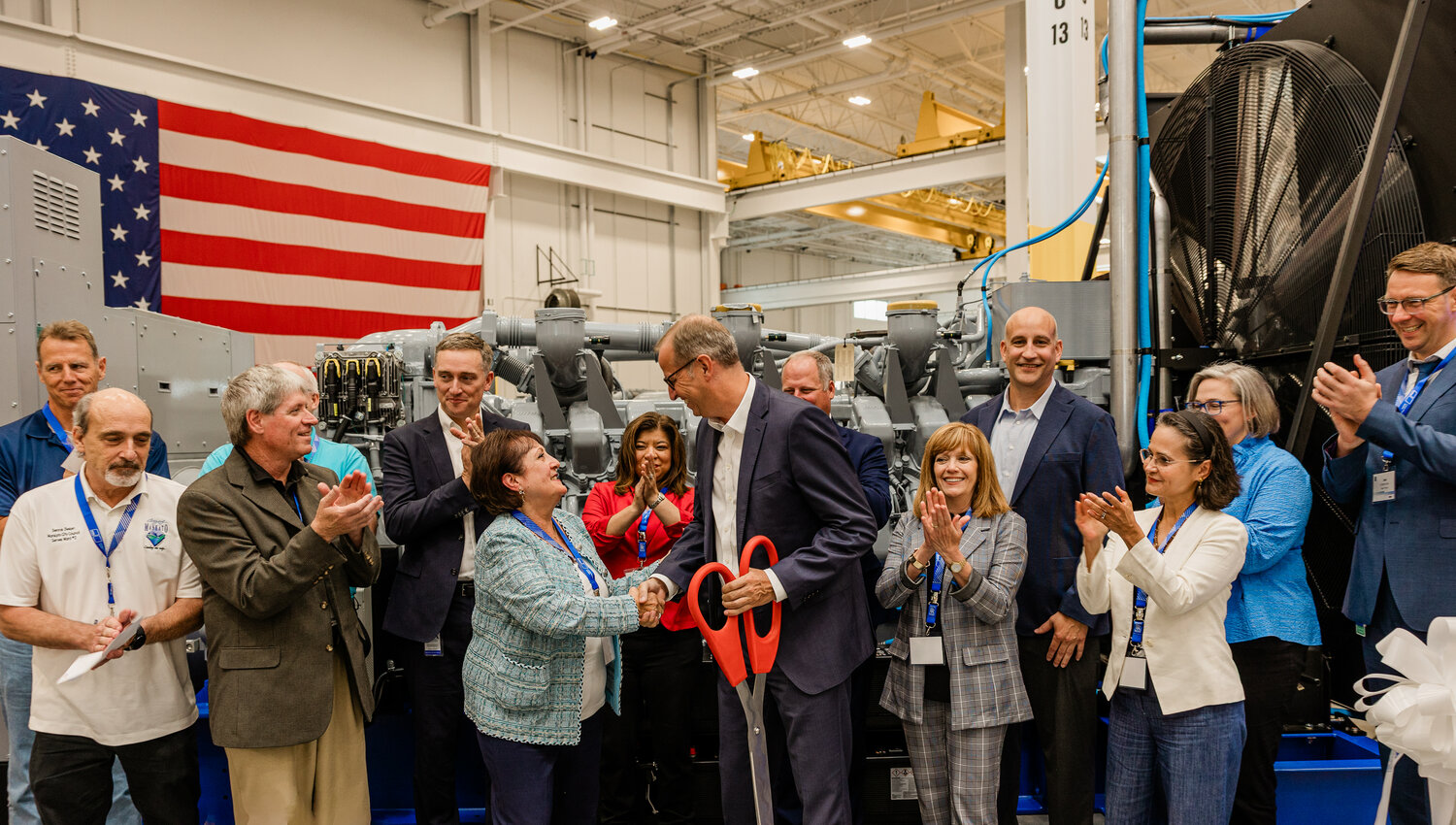
Rolls-Royce has opened a $24M Mankato facility to expand backup power output. The center will support data centers and other critical infrastructure nationwide.

FERC denied a waiver for the $2 billion Chestnut Run gas plant, showing how equipment supply constraints now collide with PJM's rigid interconnection rules.

A climate science critic now leads the USGCRP, the federal program behind the National Climate Assessment that underpins infrastructure risk planning.

The UAE is showing what happens when power, capital, permitting, and chip access are coordinated before construction begins, not assembled project by project.

Tax incentives are sliding down site selection checklists as states compete on power availability, and several are already rebuilding programs around it.
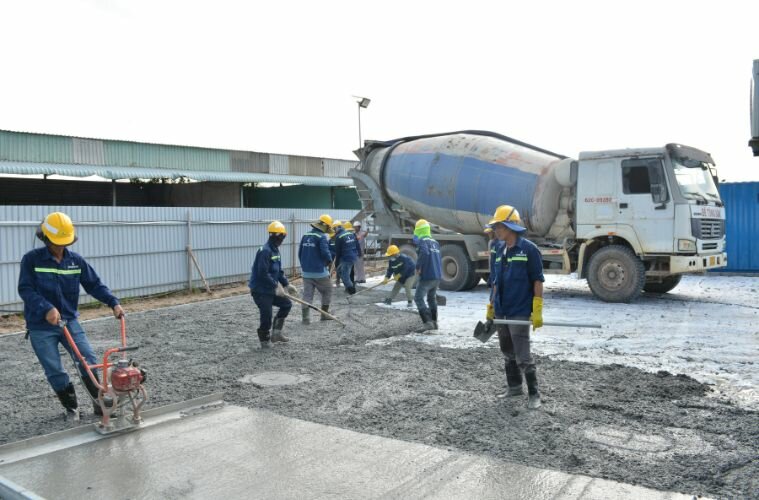
As skilled trades shortages narrow the contractor pool, procurement teams face a workforce constraint they didn't create and can't negotiate their way out of.

AI plans often stall before models ever run. OpsGuru’s AWS lakehouse aims to help enterprises turn fragmented data into governed AI-ready systems.
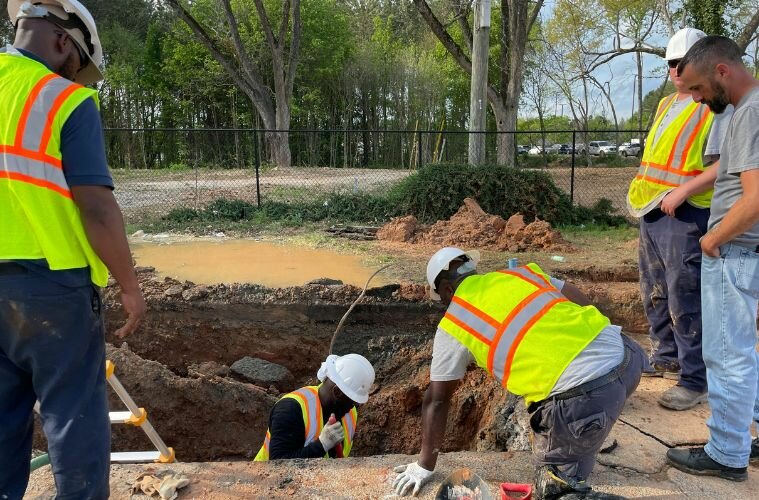
Operators cannot control power demand growth, infrastructure upgrade timelines, permitting contest rates or capital selectivity. What they can control is how early those realities enter their planning

Many organizations entered 2026 expecting normalization. Q2 suggests the second half will be defined by adaptation rather than recovery.

The projects moving forward in the second half of 2026 are increasingly defined by infrastructure readiness, permitting certainty, and execution feasibility rather than projected returns alone.

Power, water, permits, and capital are tightening simultaneously on the same projects. Executives need a framework for operating inside converging constraints, not resolving them one at a time.
DOE selected TerraSpark Energy Campus in Grant County, West Virginia for up to $18.5 million to advance engineering and permitting for a 1.6 GW coal-with-carbon-capture project.

E2 tracked nearly 8 GW of canceled clean energy capacity and $13 billion in abandoned investment in Q1 2026 alone. The hidden cost is what those projects were supposed to deliver.

Global energy transition investment hit $2.3 trillion in 2025. But capital is concentrating in data centers and a few large managers, leaving most clean energy deals competing for less.
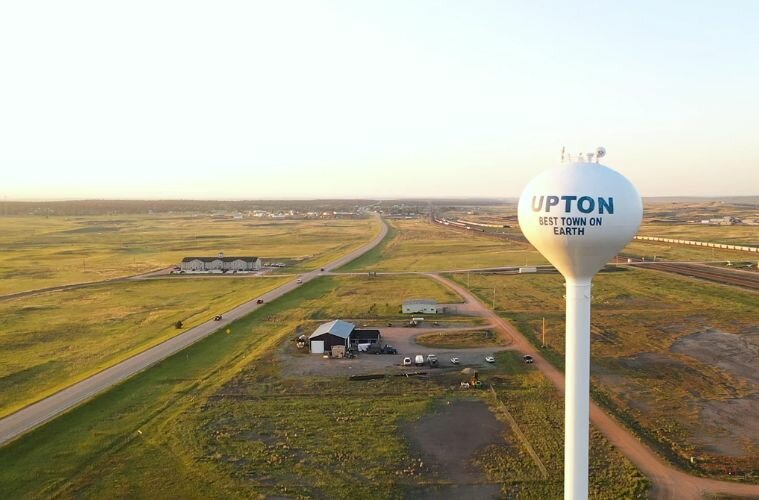
Rare Element Resources reports Bear Lodge is tracking toward March 2028 federal permitting completion under FAST-41, with its Wyoming separation demonstration plant targeting late summer 2026.