
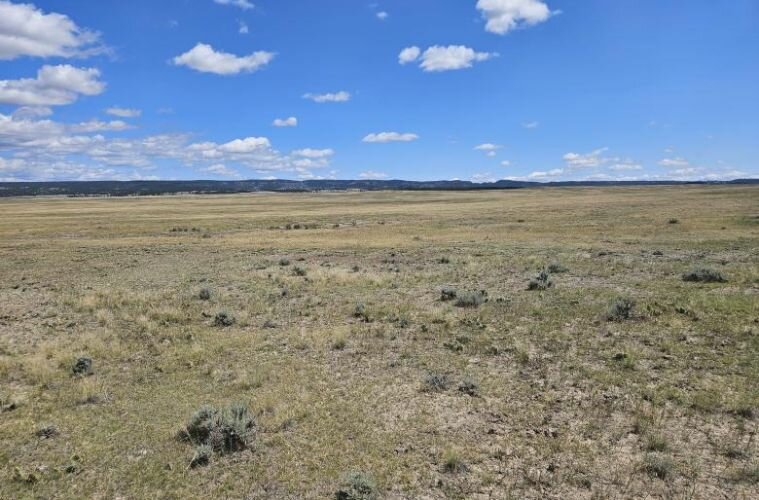
The BLM approved initial infrastructure for the Dewey-Burdock uranium project, advancing a long-debated in-situ recovery development in South Dakota.

A federal appeals court declined to halt a North Carolina water permit for the Mountain Valley Southgate pipeline, reinforcing agency discretion in environmental reviews.
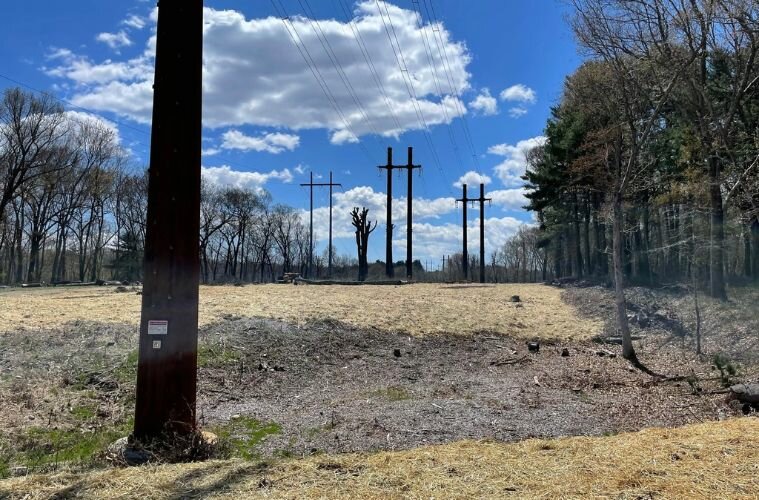
A Rhode Island bill would reopen questions about utility-owned generation, storage, reliability, and who should build the power system needed for demand growth.

Two Arizona rate cases approved increases of up to 300% for small rural water systems with aging infrastructure, reflecting a national pattern Pew and AWWA research puts at $2.1 trillion in need by 2050.
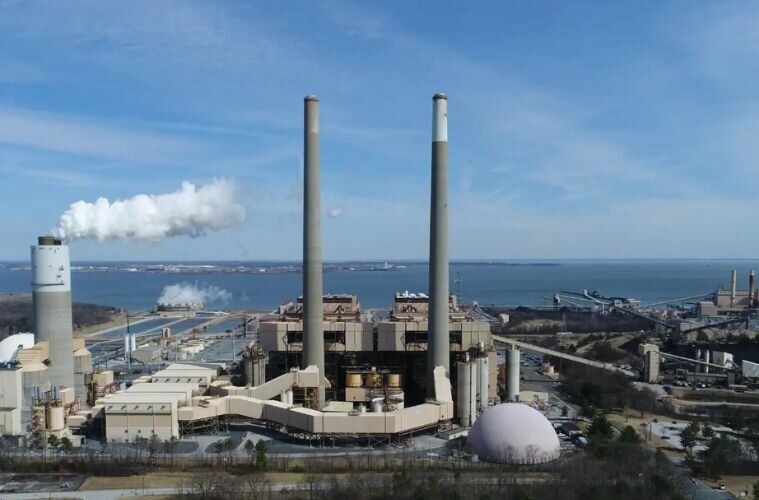
PJM and Talen Energy have filed at FERC to extend the Brandon Shores and H.A. Wagner reliability-must-run agreement to May 2031, citing transmission delays driven largely by data center load growth.

Connecticut DEEP opened two urban and community forestry grant programs totaling $1.23 million, with August 2026 application deadlines and a note that future federal funding is not expected soon.

Companies that map their full supply chain typically find more than they expected: hidden concentration, environmental exposure several tiers deep, and risk that travels farther than anyone modeled.

The data is better than it has ever been. It is also revealing something uncomfortable: visibility and control are not the same thing.

Pennsylvania has addressed less than 2% of its documented inventory of orphaned and abandoned wells, each one a potential source of methane emissions, groundwater contamination, and safety risk.

The market is rewarding assets that have already cleared permitting, interconnection, and financing. Everything else is waiting longer and competing harder for what remains.
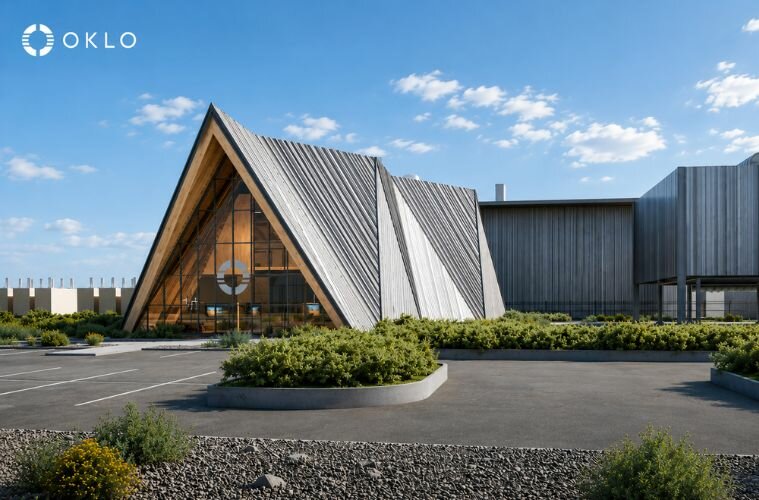
DOE's Idaho Operations Office approved a preliminary safety analysis for Oklo's Aurora reactor under the Reactor Pilot Program, a staged federal framework for advanced nuclear deployment.

Tariffs, permitting, financing, and policy uncertainty are each stalling projects in 2026. They look the same from a distance. The right response to each one is completely different.

Zurich Resilience Solutions analysis of 1,380 Southeast Asia renewable energy sites finds 75% of planned capacity at critical climate risk by 2030 and $165 billion in value at stake.

Ohio's House passed H.C.R. No. 35 63-32 on June 9, urging Congress to reform federal energy permitting and citing a 2,000-gigawatt interconnection backlog and NEPA timelines near four and a half years.

E2 tracked nearly 8 GW of canceled clean energy capacity and $13 billion in abandoned investment in Q1 2026 alone. The hidden cost is what those projects were supposed to deliver.
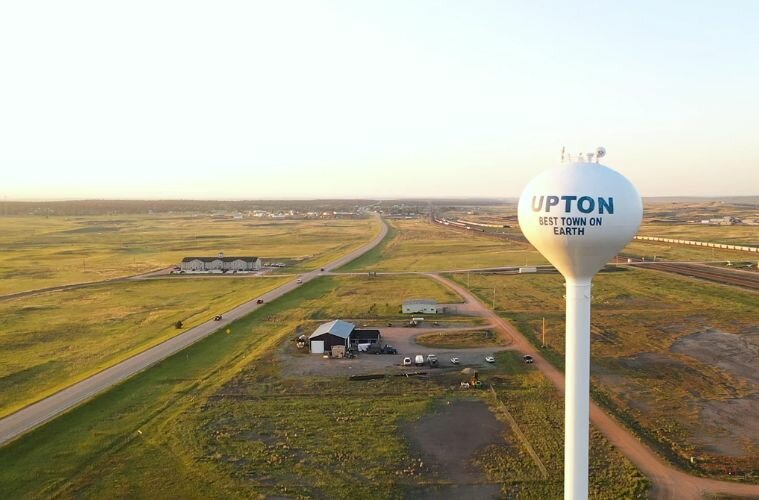
Rare Element Resources reports Bear Lodge is tracking toward March 2028 federal permitting completion under FAST-41, with its Wyoming separation demonstration plant targeting late summer 2026.

Eighteen EU member states signed a cross-border autonomous vehicle testbed agreement in Luxembourg on June 8, with $21.8 million in digital infrastructure funding launching this month.

Federal permitting blocked 11 GW of clean energy in one year. The interconnection queue holds 2,060 GW more. Operations teams with project-tied energy timelines carry direct exposure.

Clean energy project finance credit standards shifted in 2025 and 2026. Companies with infrastructure commitments built on older assumptions are running into those changes now.

M-44 cyanide devices are back in the predator-control debate. For land managers, the issue now spans safety, liability, pets and endangered wildlife.