

Twenty-one percent of supply chain leaders still operate without real-time visibility into disruptions affecting their suppliers

AI growth is reshaping data center design. A new framework gives operators a clearer path for managing power, cooling and uptime.

Companies that map their full supply chain typically find more than they expected: hidden concentration, environmental exposure several tiers deep, and risk that travels farther than anyone modeled.

Fines for non-compliant buildings are no longer a future risk — they're accruing now. Boston's BERDO 2.0 charges $1,000 per day, New York's Local Law 97 is penalizing excess emissions per ton, and D.C.'s first compliance cycle is closing. For most building owners, the path forward isn't replacement — it's connecting what's already there.

SolarEdge Nexis is gaining ground through new financing approvals. The move could help installers offer solar and storage with fewer sales barriers.

A 344-foot timber roof is putting snow safety into focus at Vancouver’s PNE Amphitheatre. The project shows why planning for weather starts before installation.

A federal class action filed May 28 against EMR Advanced Recycling in Camden, NJ cites more than a dozen fires since 2020, repeated NJDEP violations, and displacement of over 100 families.
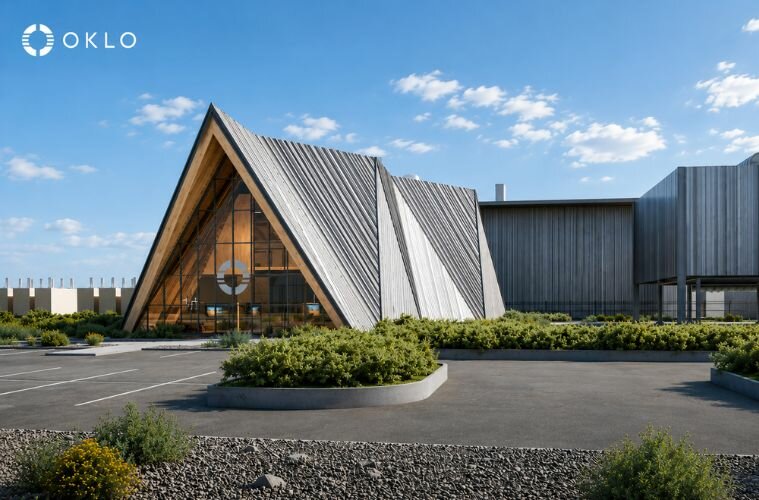
DOE's Idaho Operations Office approved a preliminary safety analysis for Oklo's Aurora reactor under the Reactor Pilot Program, a staged federal framework for advanced nuclear deployment.

A Verdantix survey of 350 energy leaders found energy price volatility is now the top obstacle. Companies treating resilience as backup power are carrying growing competitive exposure.
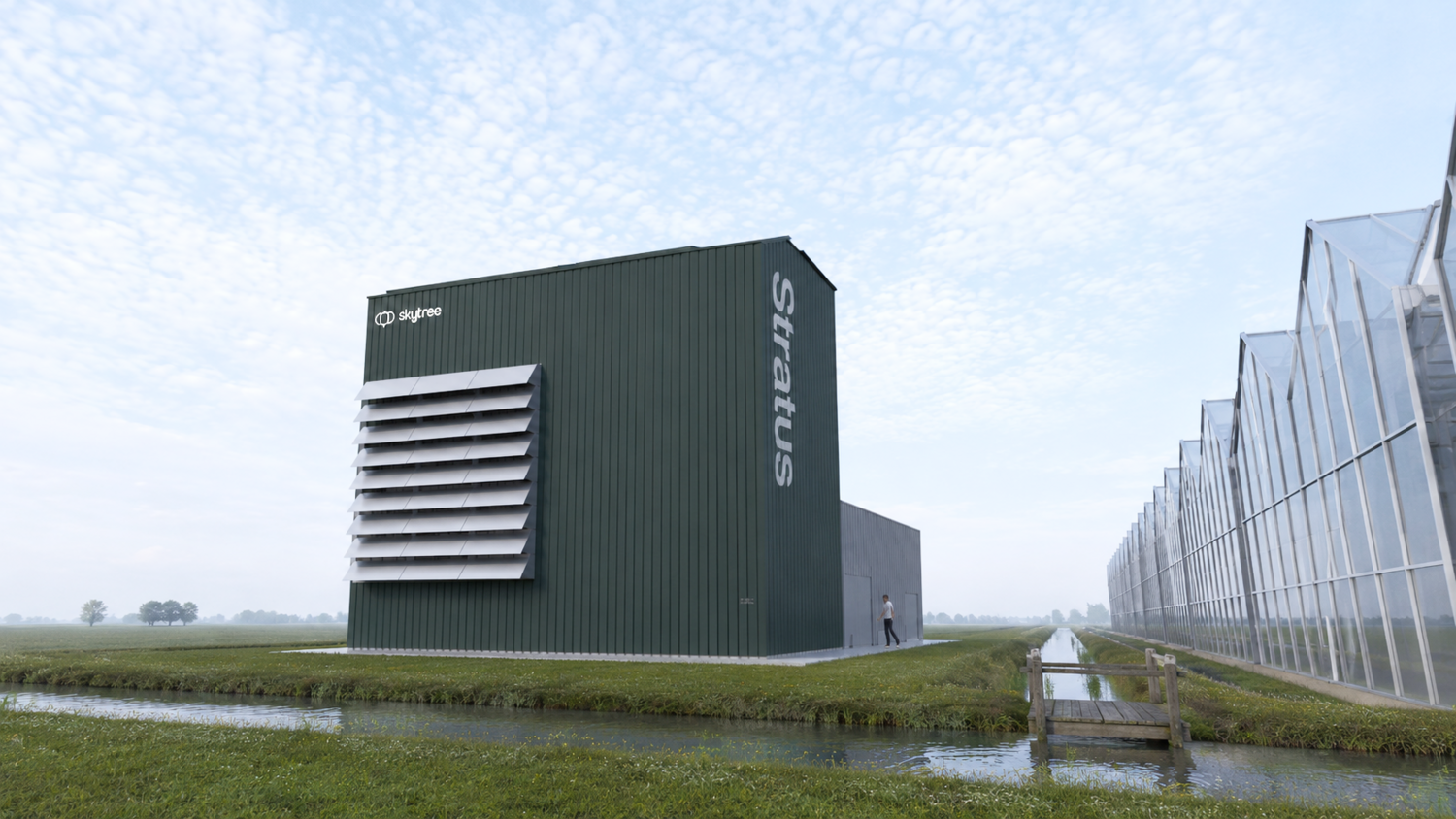
Skytree and Lingezegen Energy are bringing direct air capture into Dutch greenhouses. The project could make fossil-free CO₂ a practical crop input.

Colorado River storage is shrinking. Businesses face tighter water planning, higher supply risks and fewer buffers against dry years.
Global energy transition investment hit $2.3 trillion in 2025. But capital is concentrating in data centers and a few large managers, leaving most clean energy deals competing for less.

Billion Watts and Enervest are developing smaller battery sites across NSW and Victoria. The portfolio targets local grid support, storage revenues and resilience.

Las Virgenes is testing subsea desalination. The project could add a local supply option as drought and imported water risks grow.
Canovation and CANPACK are preparing CanReseal for pilot-line use. The project tests whether resealable aluminum cans can fit existing production.

South Africa has enacted one of the most ambitious sustainability disclosure frameworks on the African continent. What the framework requires and what most companies can actually produce are two different things.
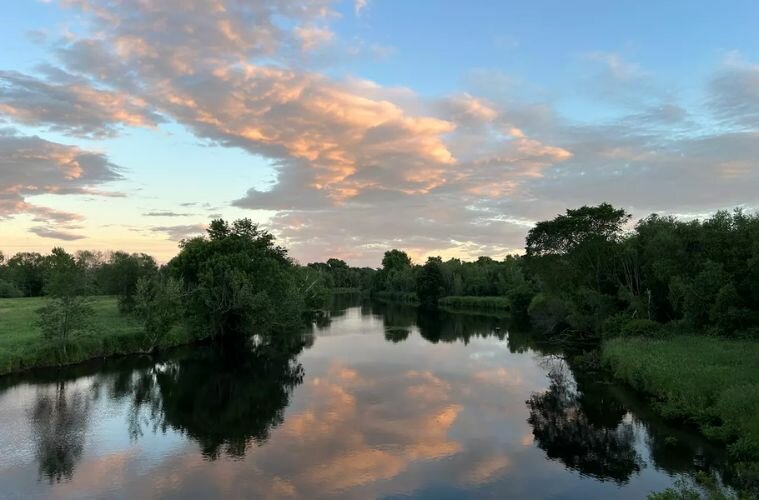
Massachusetts health officials are testing air quality at Uxbridge High School after multiple teachers were diagnosed with breast cancer.

Scope 3 emissions represent 75% of most corporate footprints, but 79% of companies say supplier data is their top challenge. That gap is widening as mandates tighten.
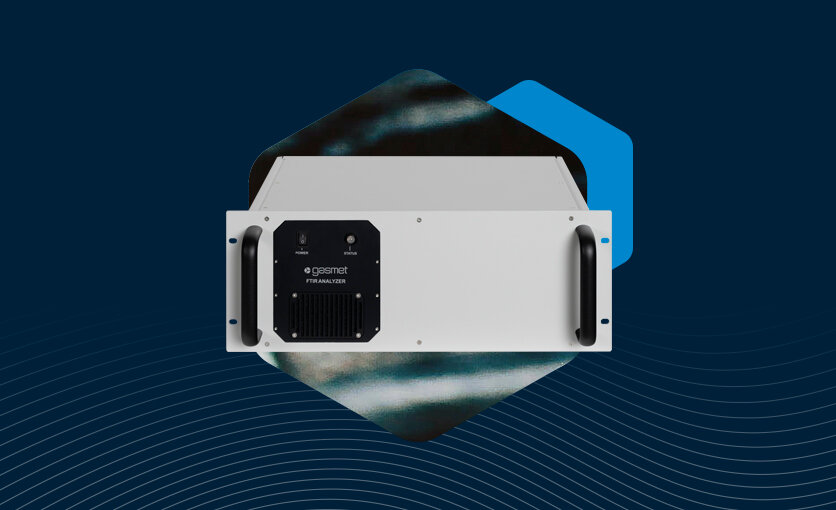
Gasmet’s GT7000 Tellus brings multi-gas FTIR analysis to fixed setups. It supports teams tracking emissions, CO₂ purity and process change.
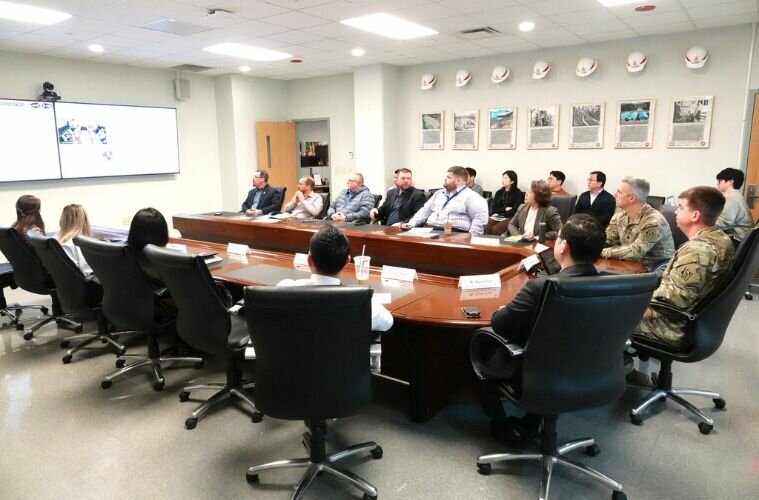
The Army Corps of Engineers Far East District just earned the Army Safety Star after seven years of work. What that process requires puts the Longview disaster in sharper context for EHS leaders.