


A new solid electrolyte could make sodium batteries safer and cheaper. Researchers in Canada have found a way to boost performance without using lithium.

Air Liquide has deployed hydrogen-powered trucks in the Netherlands, cutting transport emissions and advancing hydrogen mobility supported by the SWiM program.

Project Beacon marks Southeast Asia’s first commercial SAF plant using waste gas. The move signals a shift from oil-based feedstocks to scalable carbon reuse.

The DOE is buying 1M barrels of crude for SPR delivery in late 2025. It’s a slow, strategic refill aimed at boosting U.S. energy security without price shocks.

A new anchor system from Texas A&M slashes mooring costs for floating wind. Built for renewables, it aims to streamline seabed access and project timelines.

Swish Solar secured $1.5M to scale its self-cleaning solar tech. The system removes dust and snow without water—cutting losses and cutting downtime.

BioMADE’s new Iowa pilot plant will expand U.S. biomanufacturing capacity, strengthen supply chains, and create new markets for agricultural feedstocks.

DOE renews emergency orders to boost Puerto Rico’s grid ahead of peak demand, building on earlier actions that restored 820 MW and improved system reliability.
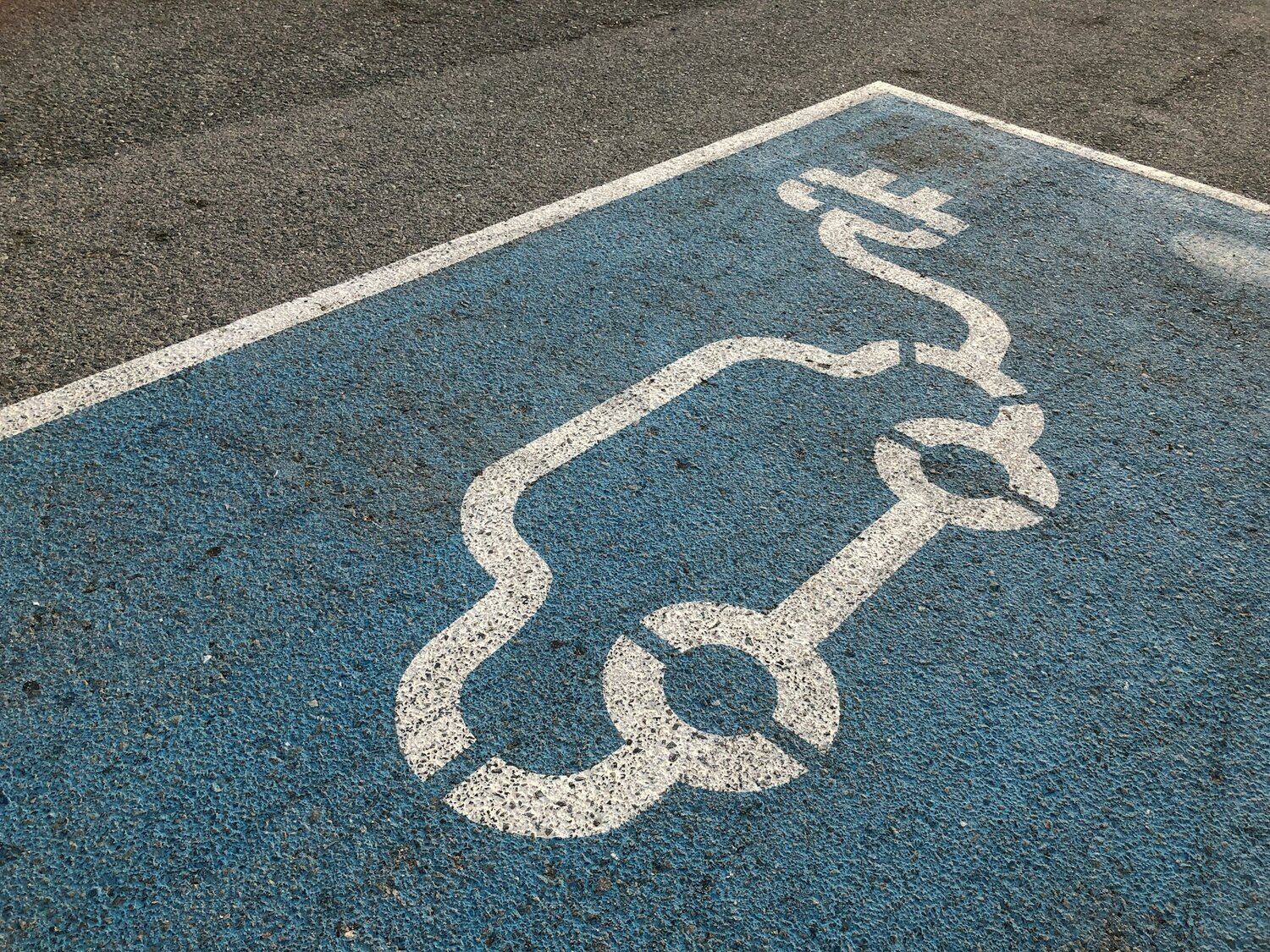
The LEPAS L8 isn't just efficient—it’s engineered for floods, crashes, and unpredictable roads. A hybrid built to endure where other EVs stall.

A hailstorm damaged 13,000 vehicles at Kia’s Georgia plant. Now, a 10MW solar canopy shields inventory and supplies clean energy to the facility.
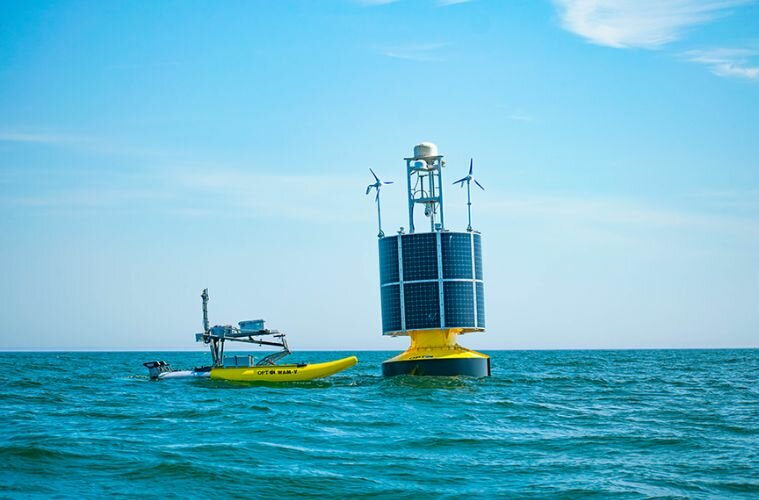
Ocean Power Technologies and Mythos AI will integrate advanced autonomy software into WAM-V and PowerBuoy platforms, expanding capabilities for defense and commercial users.

Global EV-battery plant capacity now far exceeds demand—leading to cost pressure, consolidation and strategic shifts in the industry.

The UN says global climate pledges would cut emissions just 12% by 2035—far short of the 60% needed to stay within 1.5°C. Scientists warn the window is closing.

Siloed building systems undermine ESG results. Integrated data environments build measurable decarbonization capacity and long-term compliance.

AI servers could consume 245 TWh of power and over 1 billion m³ of water by 2030, making energy and water the real bottlenecks in the race to scale artificial intelligence.
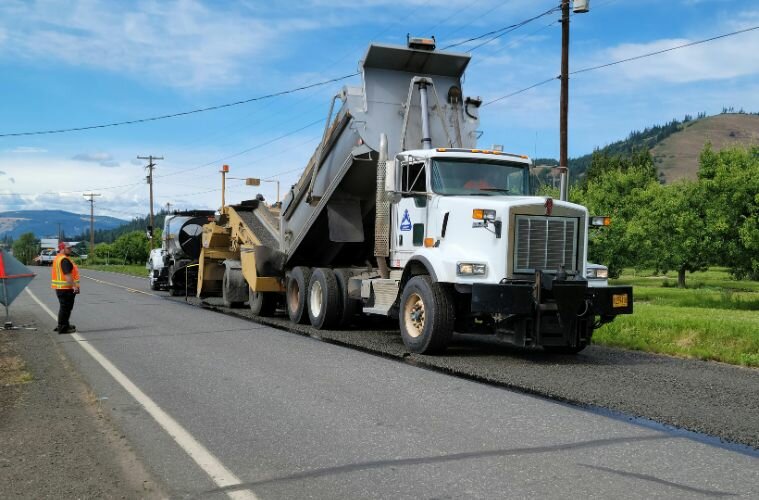
HB 3991 makes EV and hybrid drivers pay per mile, ends Oregon’s toll program, and adds stronger ODOT oversight to stabilize road funding and project delivery.

Northumbrian Water supports Higher Ground Allendale with funding for energy-efficient upgrades, part of a wider $7 million investment in local environmental resilience.

The Green Climate Fund approved $3.26B in 2025, its largest annual total, signaling progress toward scaling climate finance and adaptation globally.

Boston is electrifying heat with a river-powered system in Cambridge. The Kendall Square project will deliver carbon-free steam to 70M sq. ft. of buildings.

Mississippi State’s new Energy Resilience and Innovation Hub joins a growing network of university-led centers driving clean energy, grid modernization, and workforce development across the U.S.