

A four‑class system for Paris compliance—from Target‑1.5°C to Exceedance‑2°C—simplifies complex climate data into clear, actionable policy metrics.
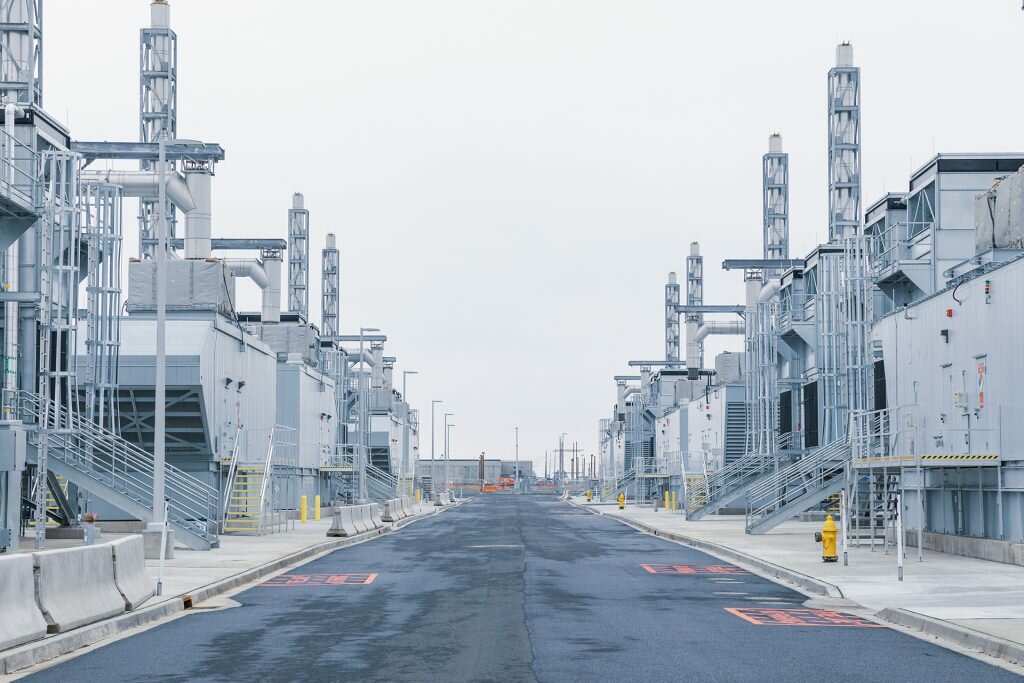
Microsoft cuts operational emissions but struggles with Scope 3, as FY2024 emissions rise. Here’s what it means for tech and climate leadership.

ML-powered climate forecasts drive resilient strategies to combat extreme weather, boost sustainable agriculture, and enhance disaster preparedness.
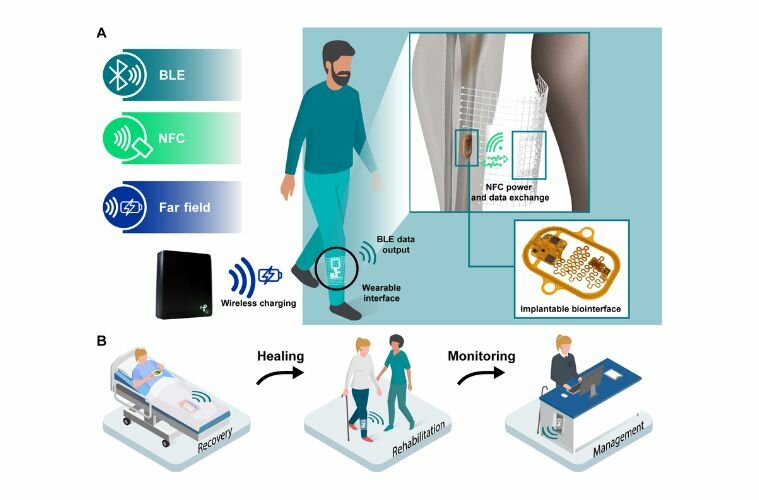
A new battery-free implant system offers continuous patient monitoring while eliminating toxic waste, advancing sustainability and healthcare innovation.
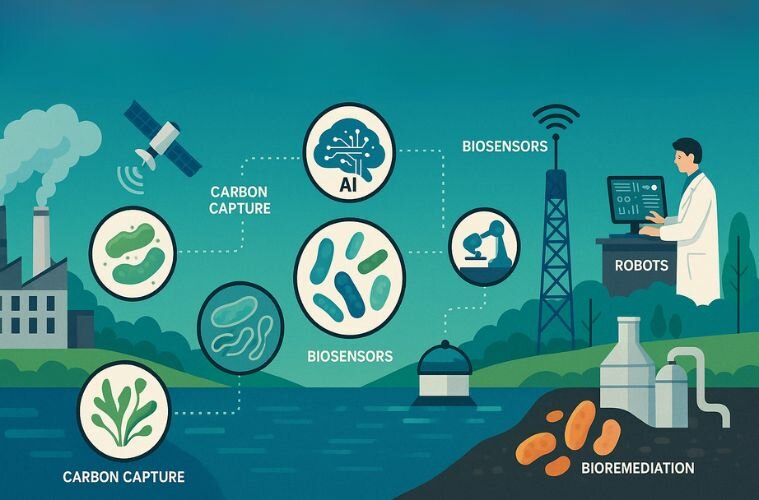
Engineering biology is combining with AI and IoT to deliver scalable, real-time solutions for pollution, climate resilience, and sustainable manufacturing.

Data centers are fueling AI, CleanTech, and more—but rising energy use and grid strain raise urgent questions about their future sustainability and resilience.

Uniqode explored how cities are turning to technology to upgrade their transportation systems for more comfortable, seamless rides.

New Sindelfingen Facility Slashes Energy Use, Emissions, and Water Consumption While Enhancing Digital Integration
Effective response requires alignment across sustainability, supply chain, compliance, and executive leadership.
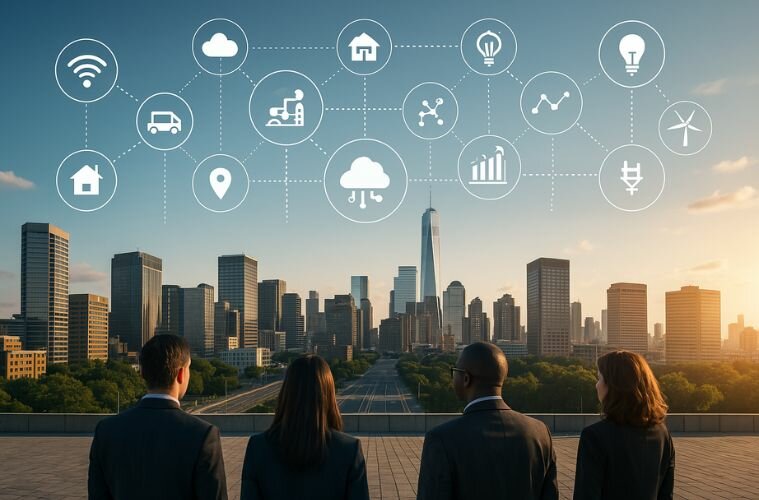
Technology partnerships are accelerating smart city development across the U.S., driving innovation in infrastructure, mobility, and public services.

The collaboration aims to ease range anxiety and accelerate decarbonization in transportation by delivering convenient, high-speed charging access across underserved and high-demand corridors.
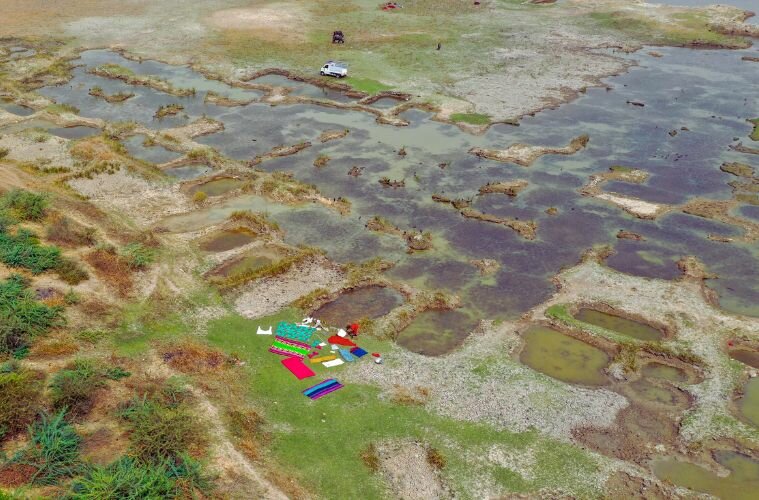
Explore how WESP offers a scalable, data-driven model for global water ecosystem restoration, boosting resilience, biodiversity, and disaster risk reduction.

Fires near suburbs cause 3x more deaths per emission than wildfires—posing a hidden, rising threat to air quality and public health.
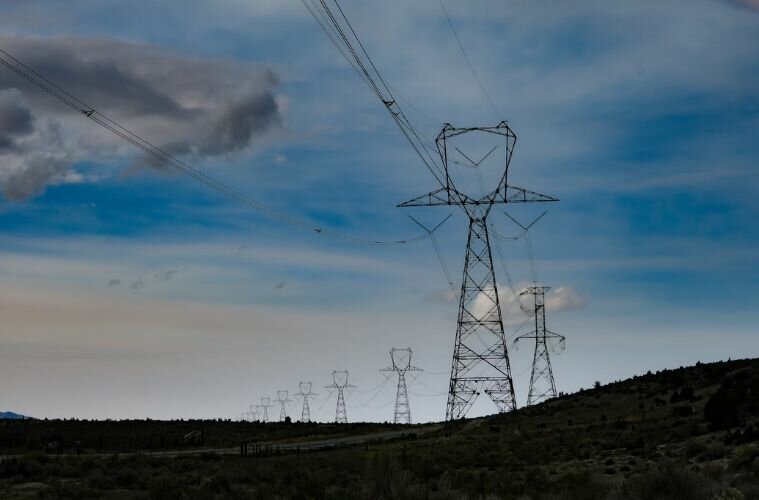
Demand response is key to grid stability in 2025, offering C&I organizations cost-saving solutions while utilities enhance energy efficiency.

Real-time data helps facilities reduce waste, optimize staffing, and keep spaces stocked without unnecessary effort.

The Development of AI-Driven Sustainable Tourism in Saudi Arabia

With businesses losing up to $300,000 annually on downtime and inefficient power systems, the demand for flexible and cost-effective infrastructure solutions is at an all-time high.
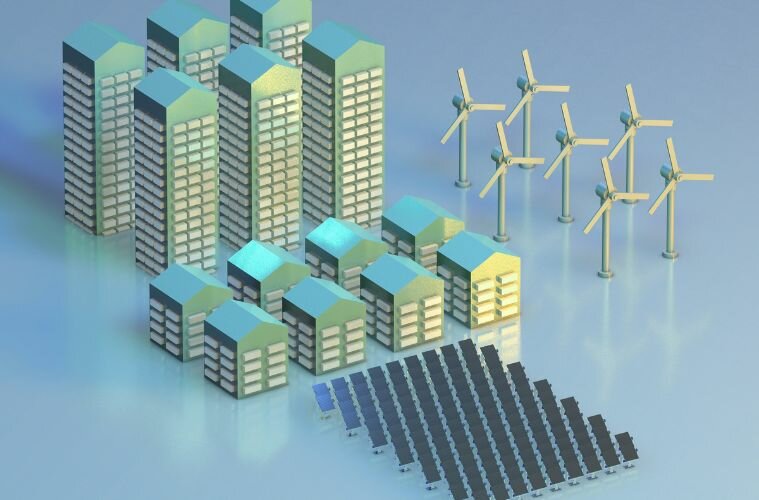
The latest PJM report highlights how the projected 3.1% growth in energy demands will shape infrastructure investments for decades.

Solar micro inverters are driving cleaner, more efficient energy systems as global demand soars. How will advancements and policies shape their future?
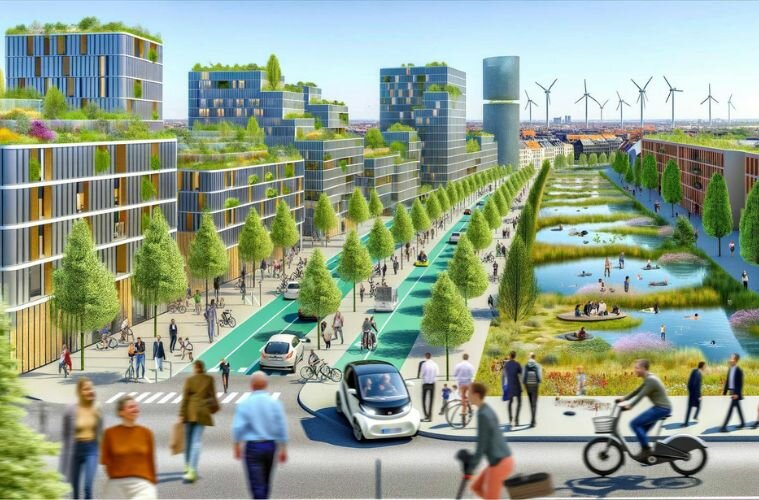
How can tailoring infrastructure solutions to Europe's geographic realities enhance economic resilience and regional equity?