

Experts at CMU Energy Week debated whether DERs are ready to help utilities manage surging electricity demand from data centers, electrification, and reshoring.

Industrial facilities are restructuring shift schedules around grid availability. In high-congestion markets, load flexibility has become a condition of grid access, not just a revenue opportunity.

Virtual PPAs were built for a grid with room to grow. As congestion spreads and basis risk climbs, procurement teams need a new contracting playbook for current grid conditions.

Grid constraints are moving from operational headaches to financial exposure. CFOs who haven't priced energy access risk into capital plans are already behind.

Utility capacity warnings are no longer background noise. For facilities leaders, they're now a direct constraint on where and when expansion is possible.

The assumption that power would always be available when a business needed it is no longer reliable — and that shift has consequences that go well beyond the facilities budget.

In agriculture, materials, transport, and heavy manufacturing, absolute emissions haven't fallen at the required pace. The gap isn't about ambition — it's about structural constraints
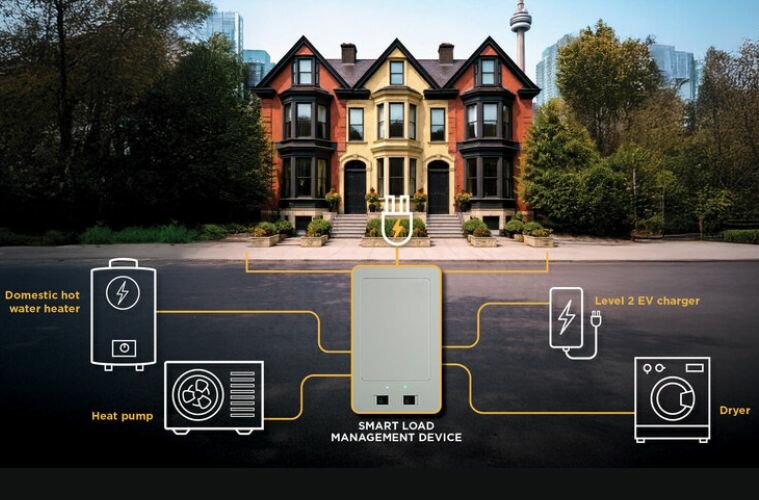
The Multiplex PowerPlay pilot funds smart load management systems that balance energy consumption in real time, keeping demand within existing panel limits without requiring a full service upgrade.

Grid constraints, ESG complexity, and supply chain pressure are not waiting for Q3.

Several compliance deadlines, energy contract cycles, and ESG governance obligations converge this summer. Boards that wait for clarity may find the decisions have already been made for them.

Virginia’s SB651 could expand the state’s underground transmission pilot program, raising questions about cost-sharing, project eligibility, and impacts on local utilities and ratepayers.

The New Orleans City Council has paused key community solar project deadlines while Entergy New Orleans reviews its Direct Transfer Trip standards — with updated guidance due by late April 2026.

The Genesis Mission is a federal initiative, backed by presidential executive order, to connect the DOE's 17 national laboratories with the country's most advanced AI, computing, and quantum systems.

A new USDA Request for Information on agricultural data and forecasting transparency could influence climate risk modeling, Scope 3 emissions reporting, and sustainability analytics across supply chains.

Persistent swings in natural gas and electricity markets are becoming embedded in supplier contracts, altering procurement strategy and long-term cost planning.

Aging systems, climate stress, and rising energy demand are exposing gaps in enterprise risk models built for isolated infrastructure failure.

Rising energy price swings, load variability, and tighter reserve margins are pushing grid and industrial infrastructure closer to operational limits.

As buildings electrify and demand shifts, facilities teams are encountering infrastructure limits that were never designed to absorb today’s loads.

Energy availability and interconnection risk are forcing organizations to evaluate power feasibility earlier as execution timelines collide with infrastructure constraints.

Energy availability is reshaping project schedules, forcing organizations to reorder decisions and approvals earlier as execution timelines collide with power constraints.