

EPA's industrial stormwater permit expired February 28 with no replacement finalized. Facilities operating under administrative continuance are fully inspectable heading into summer storm season.

Worker heat exposure is moving into mandatory disclosure in Australia, the EU, and several U.S. states at the same time. Most ESG reports have not kept pace. Here is what is changing.

Anderon will initially focus on wafer fabrication for superconducting qubit technology and supporting electronics, with plans to expand into other quantum computing approaches over time.

The EPA proposed rules on May 18 retaining PFOA and PFOS drinking water limits while rescinding standards for four other PFAS. Compliance shifts to 2031 opt-in, and nearly $1B in new grants rolled out this week.

Wet bulb temperatures in the Gulf and South Asia are crossing physiological safety limits earlier each year. Most multinational heat protocols are not calibrated to where peak exposure actually occurs.

Vermont's Sustainable Data Centers Act has cleared both Senate committees and is now at third reading following a 26-to-3 floor vote on amendments.

France's nuclear fleet reduces output every summer as river cooling limits are exceeded. For multinationals with European operations, the seasonal price spike is now predictable enough to plan around.

A single number often drives multimillion-dollar infrastructure decisions—cost per watt, cost per port, cost per megawatt. But across solar, EV charging, and data centers, that number is frequently built on inconsistent assumptions, making comparisons look precise when they are not.

Durham's Society 5.0 model shows how integrated infrastructure intelligence is becoming a material factor in corporate investment and workforce decisions in 2026.

A Rice University PNAS study links El Nino and Indian Ocean Dipole climate patterns to armed conflict onset in drought-exposed regions, with implications for supply chain and operational risk planning.

Four months of rainfall deficiencies have pushed water storage and soil moisture to critical levels across eastern Australia, with record lows recorded in New South Wales.

The cost of not investing in climate health systems is quantifiable, and the financial return on investing in them is exceptionally high.

Federal and state environmental compliance obligations are converging on 2026 and 2027 deadlines. What C-suite and legal leaders need to understand about the compounded exposure.

Scope 3 emissions in supplier networks are outpacing facility-level efficiency gains. New data and GHG Protocol revisions are raising the stakes for sustainability leaders in 2026.

The voluntary carbon market has a credibility problem that is no longer contained to specialized environmental circles.

New Mexico launched a public dashboard to monitor its 50-year water action plan as the state faces a projected 750,000 acre-foot shortage
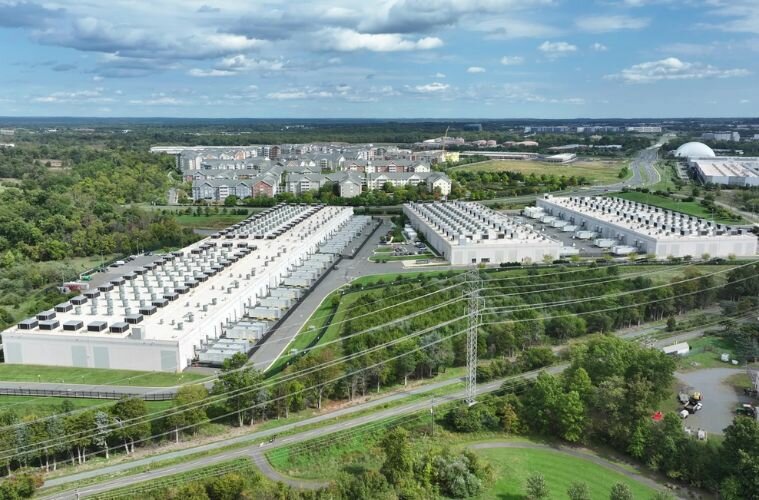
The arithmetic of corporate energy efficiency has stopped working for a growing number of technology-intensive companies.

California’s $20M Project Nexus has completed construction on the first U.S. solar-covered irrigation canal, measuring water savings, power generation, and maintenance cost reductions simultaneously.
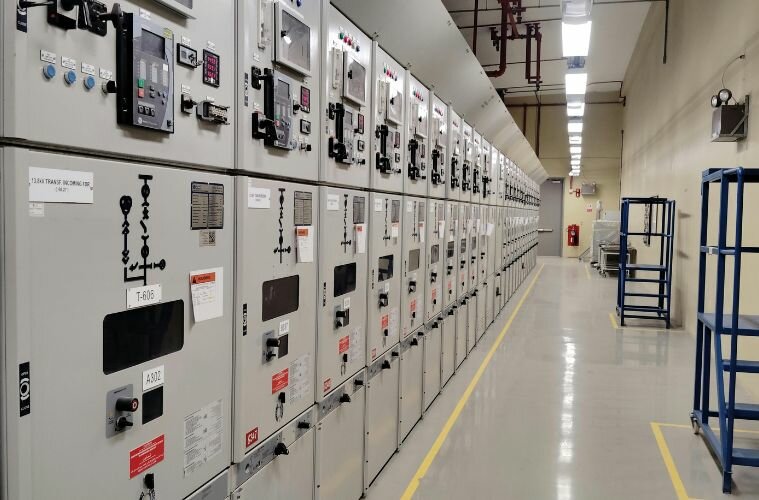
NERC flagged more regions at elevated grid risk than any prior assessment. Demand response enrollment windows are closing. Backup systems need testing before the season starts.

Energy costs are up 5.2% annually. Is your organization treating it as a fixed expense — or a financial advantage?
Join us to learn insights from Verdantix and Redaptive. Find out what leaders are doing differently.
Watch Now →