

A new UN report says cutting methane from oil, gas, and coal offers the quickest emissions reductions, with proven technologies and relatively low costs.

Shifting MRV rules, funding cancellations, and weak customer demand are all making execution timing a financial risk for carbon capture investors now.

EU regulators approved $334 million (€290 million) for Dutch sustainable aviation fuel plants, backing technologies beyond conventional biofuels.

DOE financing could accelerate ten AP1000 reactors, but the largest components still depend on a small overseas network of qualified heavy-forging suppliers.

NOAA will migrate its weather and climate supercomputing operations to Google Cloud by December 2027, with Google also powering a new AI forecast model.

OSTP's new report pushes federal R&D toward venture funding, AI-driven discovery and domestic manufacturing, reflecting Kratsios' Silicon Valley background.

A Dutch project pairing a data center with greenhouse growers shows how waste heat recovery can reduce grid congestion while replacing natural gas.

UNESCO's first Science Decade report finds governance-focused research trailing innovation by over 3 to 1, a gap it says is raising technology deployment risk.

Colorado's Local IMPACT Accelerator is funding all-electric building codes in six jurisdictions, each required to exceed the newly adopted statewide MLECC.
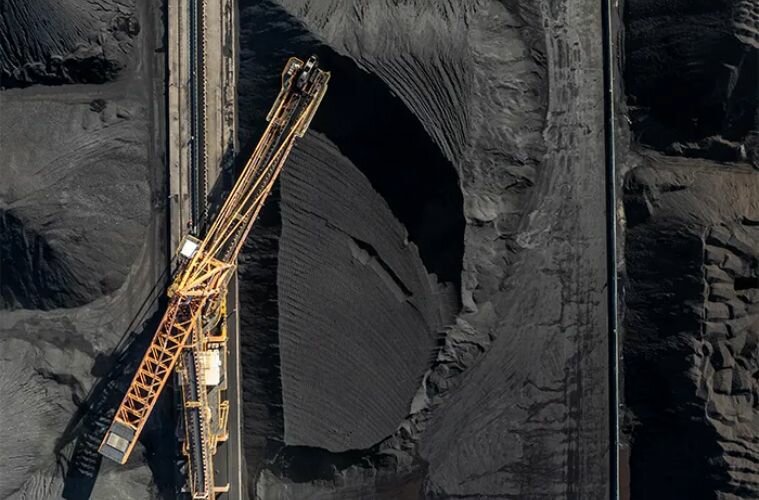
Core Natural Resources subsidiary CONSOL Innovations was selected for a DOE grant to pilot rare earth element recovery from Pennsylvania coal waste.

CFOs entering Q3 face a triage question: which infrastructure-dependent projects can actually execute on their original timelines, and what changes next.

UPS is investing $48 million in temperature-controlled freight facilities while expanding AI-powered logistics to support growing pharmaceutical demand.

Speakers at London Climate Action Week said cities, businesses, and regional coalitions are increasingly driving climate action ahead of COP31.

A new University of Wyoming project highlights how DOE increasingly views coal plants as platforms for critical minerals, water savings, and carbon capture.
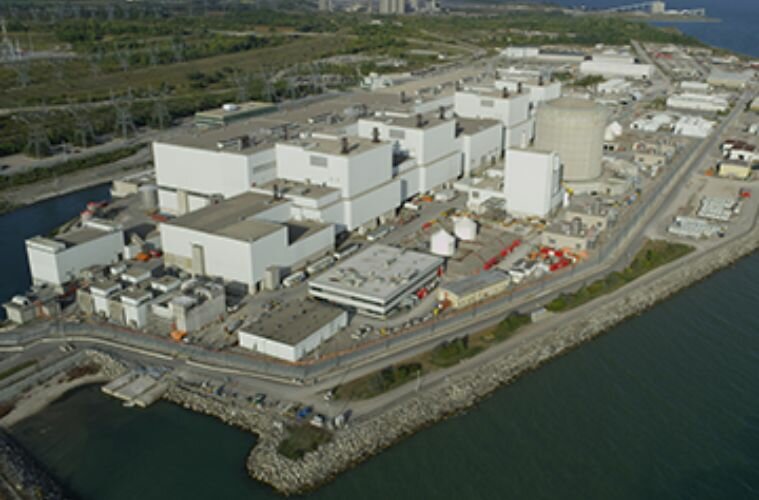
The Williams Treaties First Nations announced a $700 million investment in Ontario's Darlington SMR project, backed by the largest Indigenous loan guarantee ever issued in Canada.
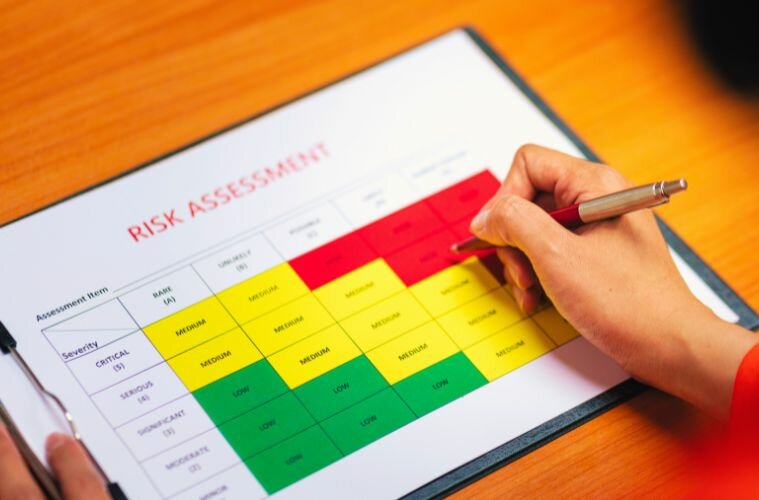
Heat enforcement, grid constraints, supply chain exposure, and AI infrastructure demands altered corporate risk profiles in Q2. Many companies are still operating from outdated assumptions.

The UK announced a $63.5 million critical minerals investment, funding rare earth magnet manufacturing, recycling projects, and a new industry demand aggregation platform.

EHS, facilities, procurement, and sustainability each left something unresolved in Q2. Here is what each function needs to close before the second half starts.
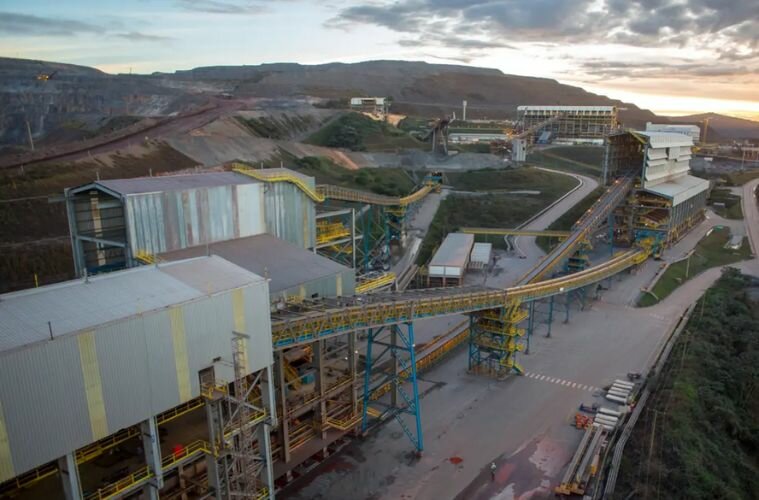
Vale reports a 25% productivity gain at its AI-integrated Conceição 2 plant in Brazil, with a 40% increase in direct reduction pellet feed output and a 26% drop in iron lost to waste.

Climate litigation, conflicting regulations, and unresolved ownership rules are creating new obstacles for voluntary carbon markets just as corporate demand is expected to grow.