

A Wyoming Supreme Court ruling affirms that counties can use land-use zoning, not just environmental permitting, to protect drinking water sources.

New York paused new data center permits under Executive Order 62 while the state completes an environmental review and community investment framework.

India's electricity demand is outpacing transmission buildout, creating grid connection risk for manufacturers evaluating the country for new facilities.

Georgia regulators are investigating whether data centers on Georgia Power's Real-Time Pricing rate are shifting fuel costs onto residential customers.
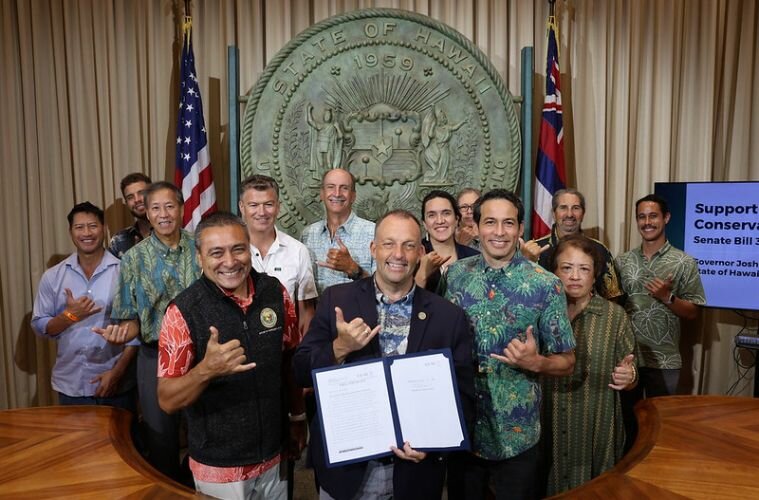
Hawaii formally recognized the Hawaii Conservation Sanctuary, a nonprofit modeled on New Zealand's Zealandia, for endangered species recovery work.

The Ninth Circuit sent EPA's 2024 decaBDE rule back for rework, ruling the agency didn't justify skipping recycling, disposal, and wastewater limits.
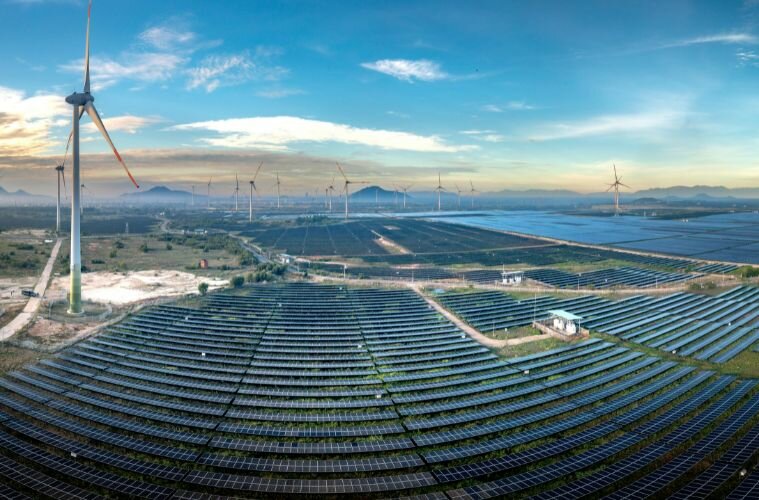
Vietnam and Malaysia are expanding transmission capacity in anticipation of future semiconductor demand, treating grid readiness as industrial strategy.

FERC denied a waiver for the $2 billion Chestnut Run gas plant, showing how equipment supply constraints now collide with PJM's rigid interconnection rules.

A climate science critic now leads the USGCRP, the federal program behind the National Climate Assessment that underpins infrastructure risk planning.

Illinois' HB 4456 authorizes utility discount eligibility up to 300% of the poverty level, financed through fixed charges on business accounts as well.

Ireland, Germany, and the Netherlands are rationing grid connections despite growing power supply, forcing site selection toward regions with capacity.

FERC's July 23 conference on PJM governance follows warnings the grid operator is "too big to function," adding new timeline risk for large-load projects.

Colorado's Local IMPACT Accelerator is funding all-electric building codes in six jurisdictions, each required to exceed the newly adopted statewide MLECC.

NATO's new 5% GDP spending target could add millions of tonnes of emissions yearly, an SGR analysis finds, as the alliance's own climate targets stall.

New large-load electricity tariffs require multi-year minimum terms and per-megawatt collateral, contract terms finance teams should model before signing.
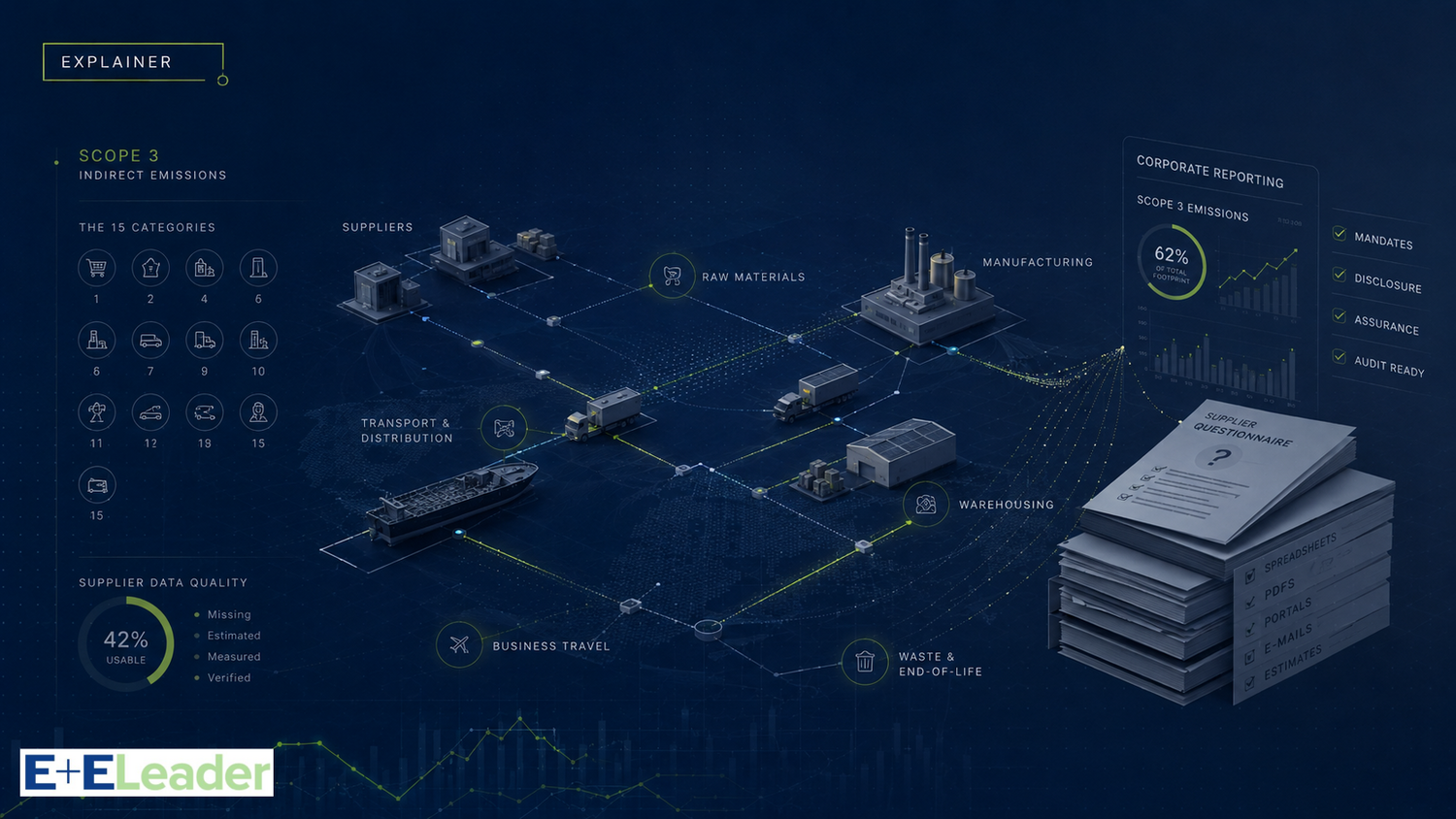
Scope 3 covers the emissions a company causes but doesn't control — usually the largest share of its footprint and always the hardest to measure. Here's how the categories work, which disclosure mandates are already binding worldwide, and where the honest difficulties live.

Utility rate cases can take a year to clear, and corporate electrification targets now carry legal disclosure weight, turning a planning gap into a financial risk.

Idaho's Supreme Court ruled two adjacent minor land divisions functioned as one subdivision, subjecting MLD filings to judicial review under state land use law.

FERC has opened public comment on Freeport LNG's plan to remove import equipment left unused since shale gas turned the Texas terminal into an export facility.

Taiwan is freezing industrial power rates and planning grid capacity around named fabs, while TSMC secures its own dedicated generation rather than wait.