

Environmental insurance is gaining attention as companies face rising operational risks and shifting regulations. Here’s how it strengthens risk strategy.

Texas A&M is turning engineered clay into a practical defense against PFAS, VOCs, and more. These tools aim to reduce exposure before it becomes a crisis.

Idaho and the U.S. Forest Service expand Shared Stewardship to increase timber production, reduce wildfire risk, and accelerate cross-boundary forest restoration.
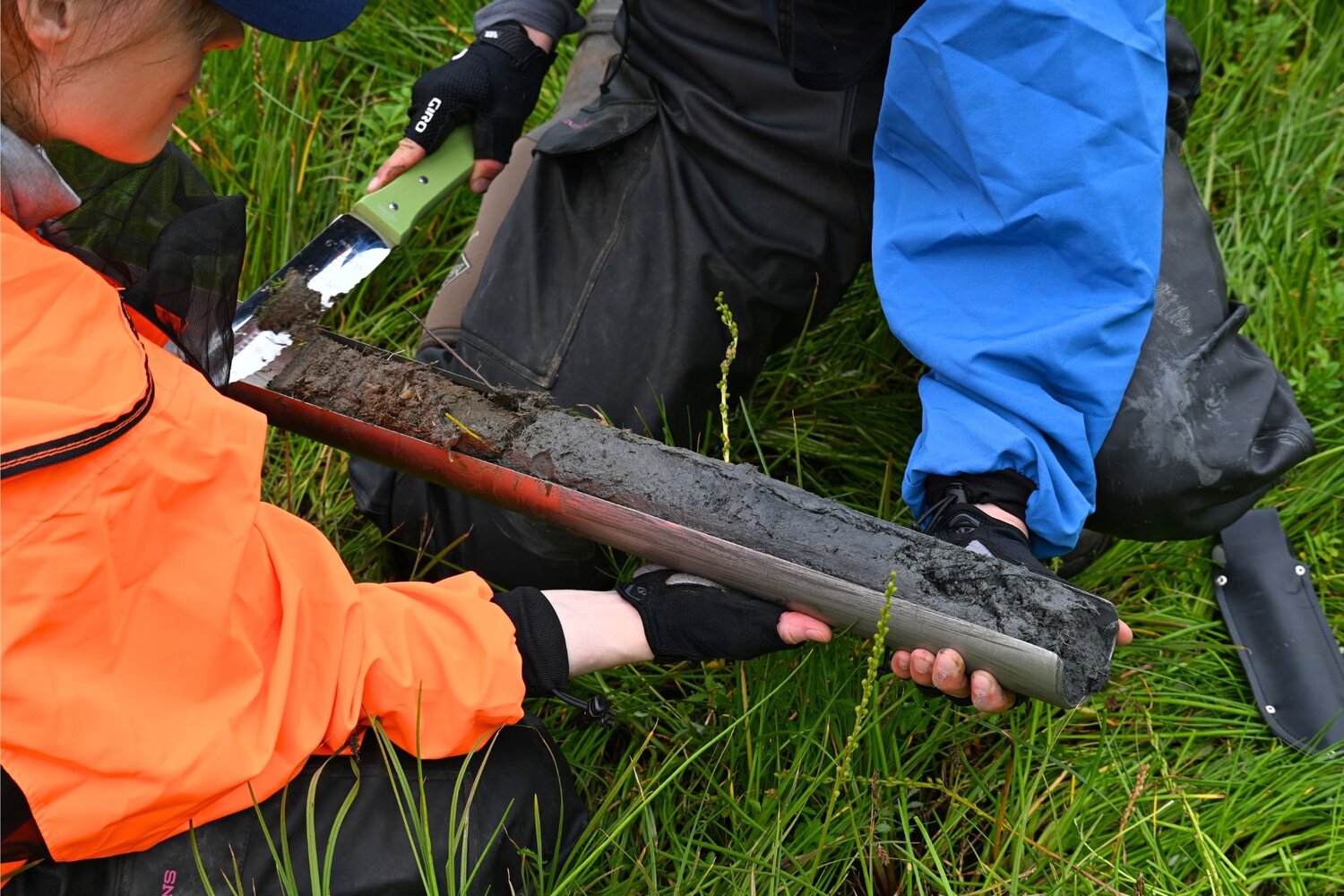
A new study finds common wetland carbon metrics may be overstating storage. The overlooked data gap could impact carbon credits and coastal restoration plans.

Circular Materials is partnering with Earth Rangers and EcoSchools Canada to expand recycling education and support Ontario’s transition to extended producer responsibility.

China has brought 300MW/1200MWh of its largest storage project online, using SINEXCEL PCS technology to improve grid stability and support renewable integration.

Ascent Solar raises $2M to support operations as demand grows for flexible thin-film PV in space, defense, and industrial applications.

AI-powered vision systems are reshaping maritime safety, enabling real-time detection of vessels, debris, and marine mammals while supporting autonomous operations.

Octavia Carbon is using Kenya’s geothermal energy to power DAC tech. Precision sensors ensure each tonne of captured CO₂ is real, permanent, and verifiable.

gridX’s 2025 retrofit report shows strong consumer demand, major savings potential, and a 15M-home retrofit market shaping Europe’s energy transition.

EVOCA becomes the first EPA-approved protein biofungicide in the U.S. It offers a new mode of action to help growers fight resistance and reduce residues.

Indiana’s new SB 54 would restrict local solar siting by requiring rezoning before overlay districts can host commercial solar projects, reshaping project development.

Released in November 2025, new maritime SMR research shows global nuclear and shipping agencies must build unified safety, liability, and port-access rules.

Epson Europe outlines validated net-zero targets, circular manufacturing expansion, and low-carbon logistics progress in its latest ESG report.

AI capabilities accelerated across EHS platforms in 2025, shifting the market toward governance, transparency, and trusted automation for regulated workflows.

Revised climate-economy analysis finds that even after a full retraction and major corrections, low-emitting regions still face the highest economic losses.

Companies are rethinking infrastructure modernization for 2026 as PJM faces rising demand and volatility, prompting new strategies for reliability and flexibility planning.

Myriad Uranium now owns 100% of its Red Basin project in New Mexico. High-res surveys set the stage for exploration permits and deeper resource work.

Massport has signed a major deal with Broco Energy to supply renewable diesel across its operations. The move signals a broader shift in regional fuel strategy.

BD and ChemoGLO expand hazardous drug testing with dual-method monitoring that strengthens compliance, worker safety, and environmental contamination control.