

According to the ASGA, the U.S. currently has over 129,000 acres of solar sites maintained by 113,000 sheep across 30 states.
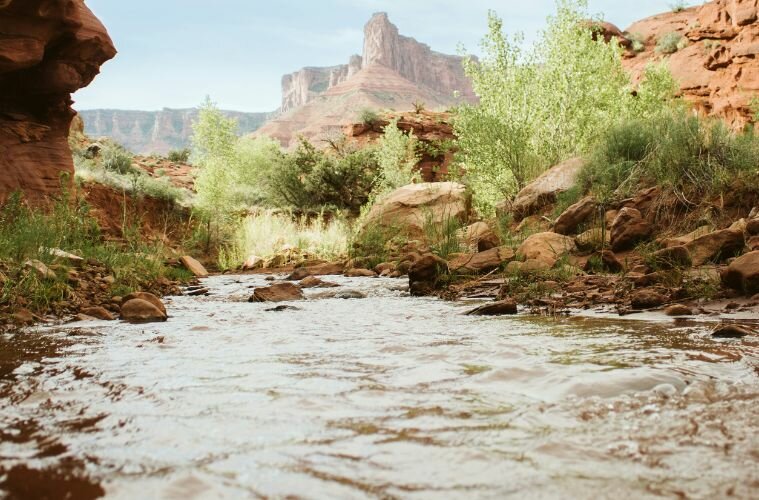
With the renewal of Water Quality Standards, the EPA pushes for stricter pollution controls, impacting states, tribes, and industrial water management.
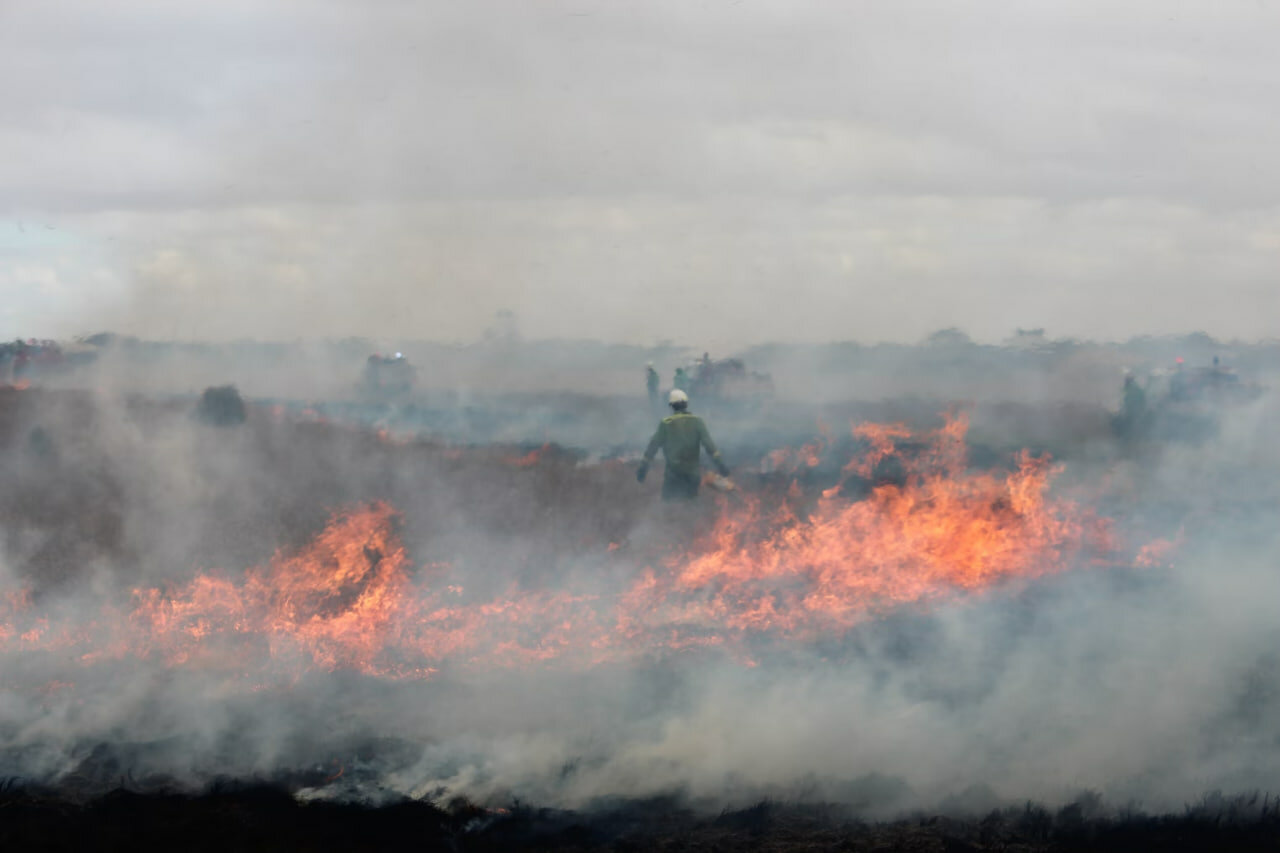
UK peatland fires are a major carbon threat, emitting up to 90% of fire-driven emissions. Businesses must act to mitigate climate risks.
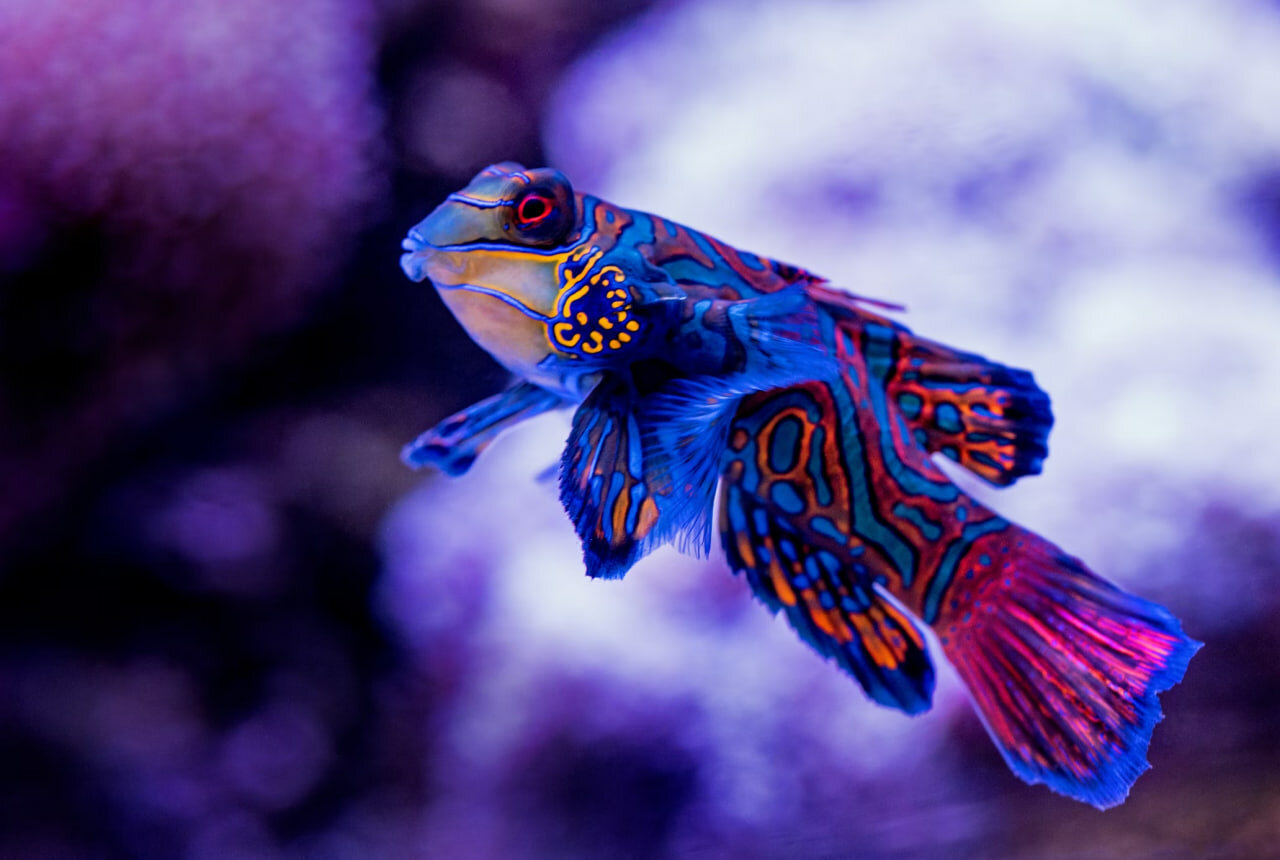
Most businesses overlook ocean conservation in their sustainability plans. Strengthening ocean literacy is key to long-term corporate resilience.

The newly signed Nature Agreement outlines a roadmap for expanding protected areas, preserving critical habitats, and advancing Indigenous-led stewardship.

A UMass Amherst study finds New England’s salt marshes store carbon equal to 10 million vehicles, presenting new opportunities for businesses.

Sunscreen chemicals are contaminating marine ecosystems, affecting seafood and tourism industries. Businesses must innovate to stay sustainable.

In Guanacaste's turquoise waters, the once-thriving Jícaro reef now lies in ruins from extreme heat, mass tourism, and urban runoff.
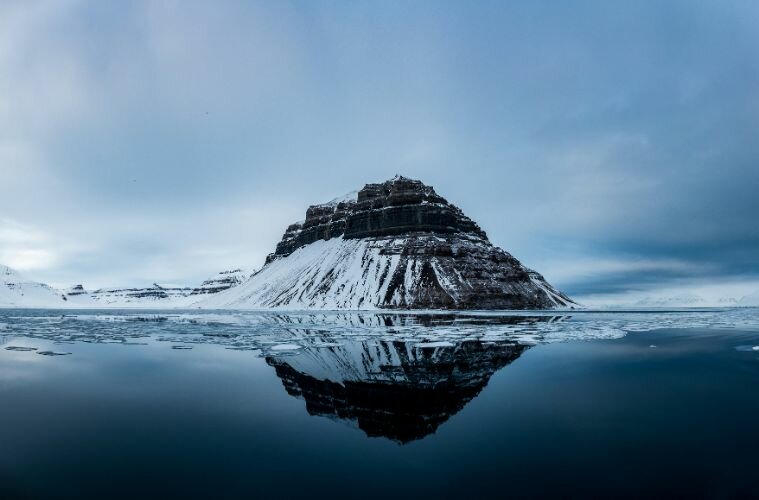
A recent study has identified significant methane emissions from glacial meltwater in Svalbard, revealing that melting ice is not just a symptom of climate change—it’s also a contributor.
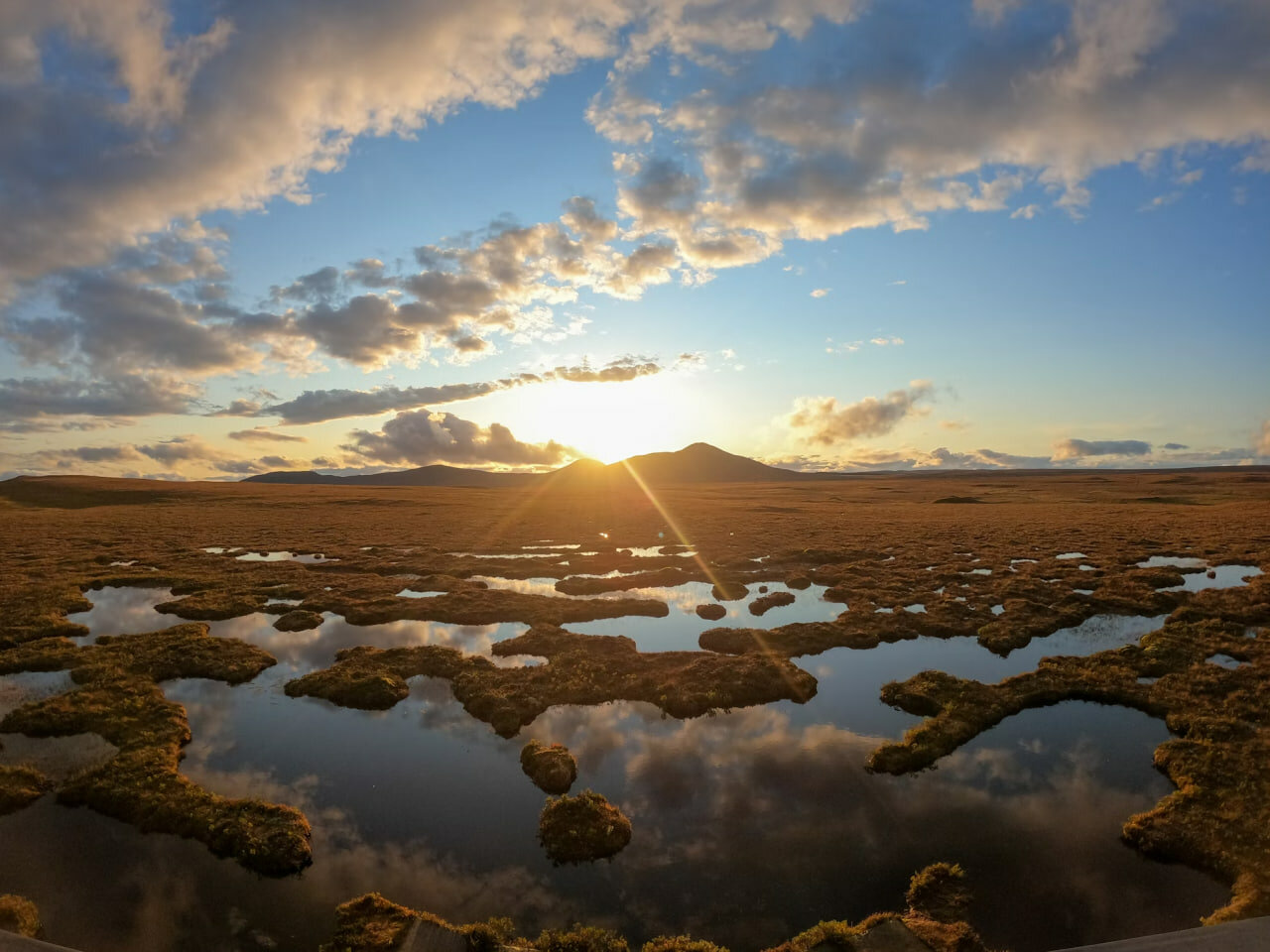
With only 17% of peatlands protected, businesses have a growing opportunity to invest in carbon markets, restoration, and conservation efforts.

A global study finds that 84% of surveyed protected areas remain vulnerable to human activity, highlighting the need for adaptive conservation.

A recent report from Cerulogy warns that without proper safeguards, the expanded use of maritime biofuels could increase global greenhouse gas emissions.

For years, biosolids have been praised as a sustainable solution for farming. But new research suggests they may be doing more harm than good.

Fujifilm secures a spot on CDP’s “A List” for climate and water leadership, showcasing its commitment to sustainability and eco-friendly goals.
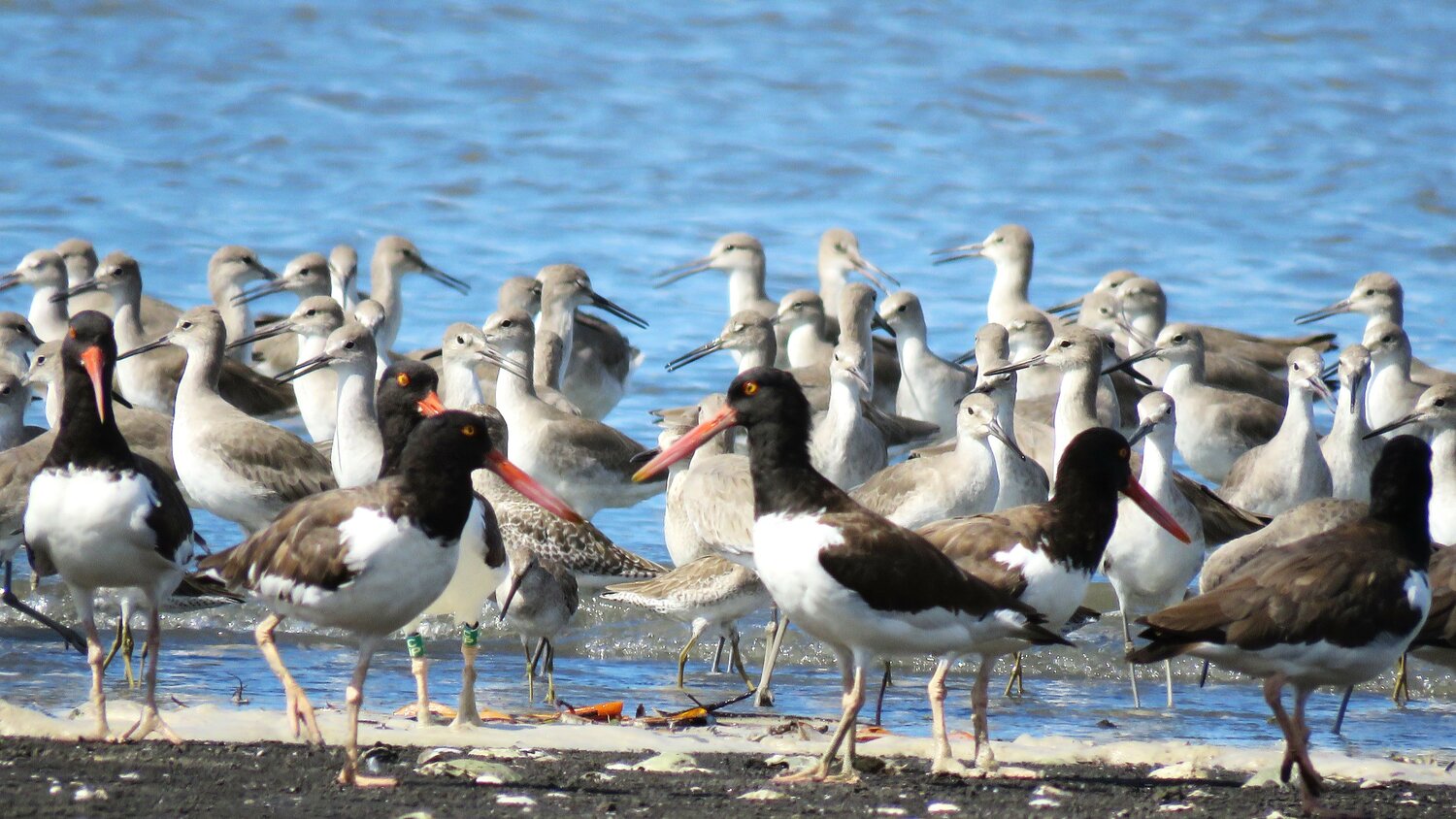
Once at risk, the American Oystercatcher has rebounded 45% since 2008. Conservation efforts offer hope for other declining shorebirds.

First Solar is the first in solar to ban deep sea-mined minerals, setting a new standard for ethical sourcing in the renewable energy industry.

Visibuilt raised over $1M to scale visiBIT, a mycelium-based asphalt binder. This eco-friendly innovation replaces fossil-based bitumen.

Governor Hobbs unveils a bipartisan plan to safeguard Arizona’s rural groundwater, ensuring sustainable water use for future generations.

What if fishing waste could be turned into something valuable instead of polluting our oceans?

Scientists have developed a nanopesticide system that enhances pesticide adherence, reducing waste and improving crop protection efficiency.