

A new University of Wyoming project highlights how DOE increasingly views coal plants as platforms for critical minerals, water savings, and carbon capture.

Illinois HB1700 expands state authority over renewable energy siting disputes, signaling a broader shift toward accelerating project development.
For years, uncertainty justified delay. Increasingly, uncertainty itself is becoming the cost organizations can no longer afford to absorb.

The projects moving forward in the second half of 2026 are increasingly defined by infrastructure readiness, permitting certainty, and execution feasibility rather than projected returns alone.

Planned 2027 launch builds on experience supporting more than 25 utility-led virtual power plant programs in the United States

The biggest risk entering H2 may not be execution. It may be relying on planning assumptions that no longer reflect operating conditions.

Meta will buy attributes from two planned Sabanci solar projects. The Texas deal adds 220 MWac as data center power demand grows.

Power, water, permits, and capital are tightening simultaneously on the same projects. Executives need a framework for operating inside converging constraints, not resolving them one at a time.
Governor Meyer is pushing Delaware's PSC to freeze rates and restructure Delmarva's profit model as the utility seeks $68M in additional revenue from 344,000 customers starting July 9.

Heat enforcement, grid constraints, supply chain exposure, and AI infrastructure demands altered corporate risk profiles in Q2. Many companies are still operating from outdated assumptions.

Rivian is linking its EVs to utility managed-charging programs. The ChargeScape deal could help drivers cut costs while giving utilities more flexible load.

Bio-PDO is moving from green claim to measured carbon data. The latest LCA gives buyers clearer evidence on renewable inputs.

In the 2024 through 2025 delivery year, PJM's capacity auction cleared at 28.92 USD per megawatt-day . The 2025 through 2026 auction increased drastically to 269.92 USD, and the 2026 through 2027 …
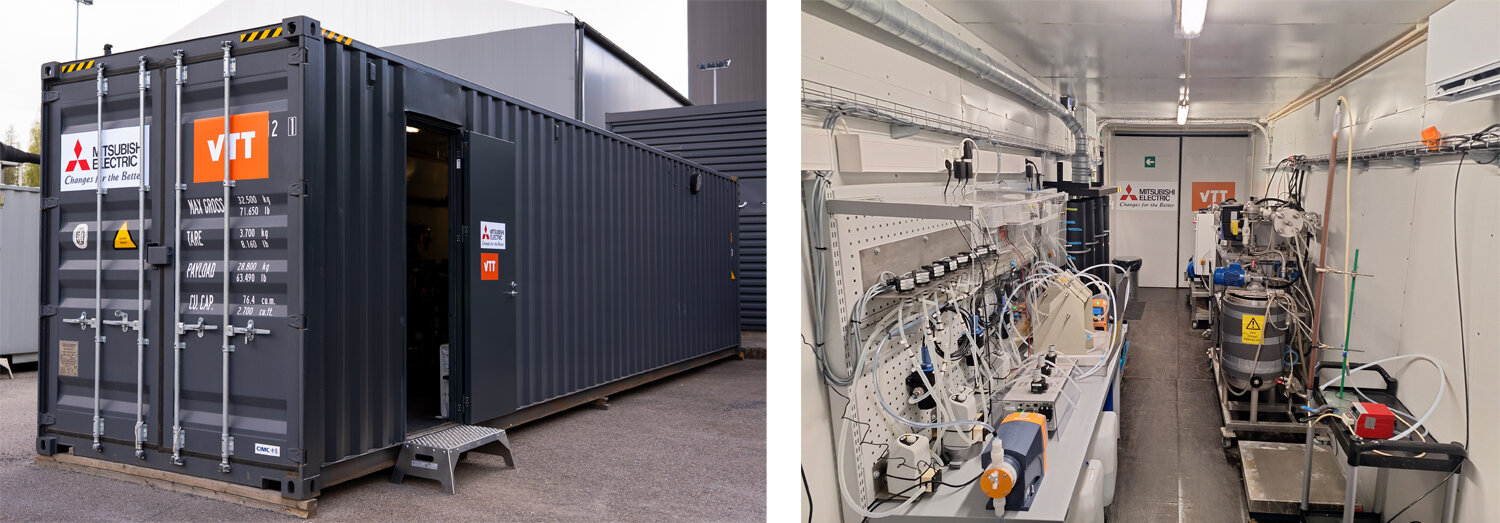
Mitsubishi Electric and VTT are preparing a direct ocean capture system for coastal trials. The work could test seawater's role in scalable carbon removal.
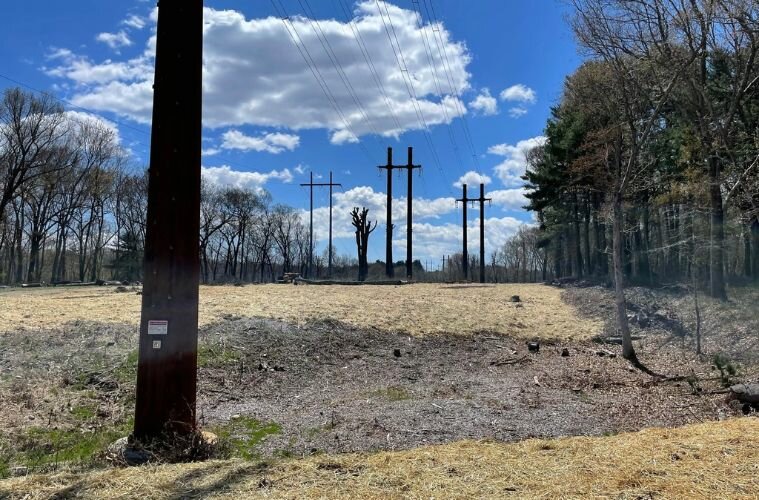
A Rhode Island bill would reopen questions about utility-owned generation, storage, reliability, and who should build the power system needed for demand growth.
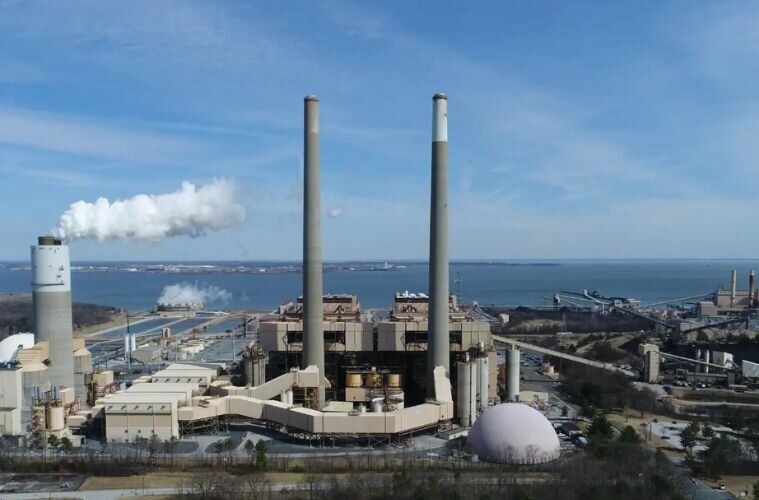
PJM and Talen Energy have filed at FERC to extend the Brandon Shores and H.A. Wagner reliability-must-run agreement to May 2031, citing transmission delays driven largely by data center load growth.

When NV Energy chose to divert power to newly built data centers, Liberty Utilities was left with less than a year to find a new electricity source for 49,000 Lake Tahoe residents. The real culprit isn't data centers — it's a centralized grid that wasn't built for modern energy demands, and a decade of missed opportunities to build local generation capacity.

AI growth is reshaping data center design. A new framework gives operators a clearer path for managing power, cooling and uptime.

SolarEdge Nexis is gaining ground through new financing approvals. The move could help installers offer solar and storage with fewer sales barriers.

Chloride ions from seawater are drawing new battery research attention. Early solid-state work could support future grid storage beyond lithium.