


New research shows that shifts in Southern Hemisphere westerly winds can rapidly alter storm patterns, rainfall, and climate risk across mid-latitude regions.

California applies 2.5M pounds of PFAS pesticides each year, raising concerns about soil, water, and ecosystem contamination as regulators lag behind emerging science.

A new collaboration between Emirates Rawabi PSC and ReFarm Global aims to scale circular agriculture in the UAE, integrating soil, water, and waste systems to reduce costs, improve yields, and support urban infrastructure.

The EU’s DSA review shows large digital platforms must manage societal and environmental risks, expanding obligations for traceability and algorithmic transparency.

A new Penn State study finds higher melanoma rates in counties with more cropland and herbicide use, raising concerns about agriculture and cancer risk.

EPA has finalized Texas’ Class VI primacy, giving the Railroad Commission authority to issue CCS injection permits and potentially accelerating carbon storage projects.

A new anchor system from Texas A&M slashes mooring costs for floating wind. Built for renewables, it aims to streamline seabed access and project timelines.

Swish Solar secured $1.5M to scale its self-cleaning solar tech. The system removes dust and snow without water—cutting losses and cutting downtime.
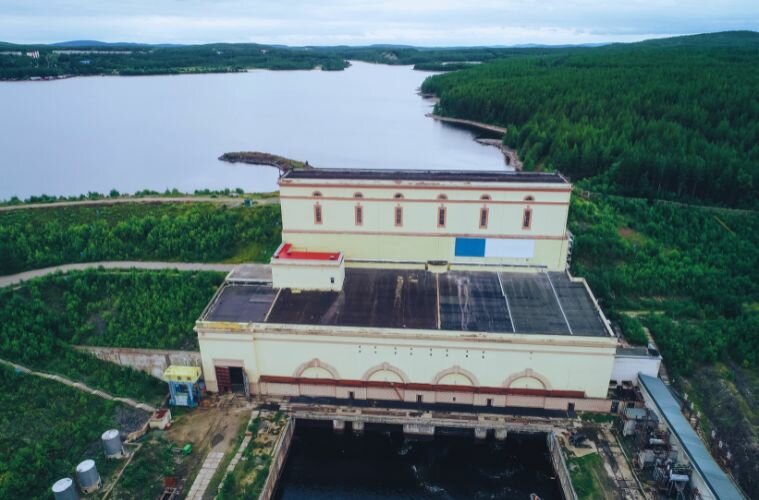
A new NHA webinar highlights growing opportunities to capture energy from bypass flows and pressure-managed pipelines as hydropower facilities modernize.

Duke Energy Foundation awarded $300K to 13 Florida groups supporting water quality, habitat restoration, forestry, and climate resilience initiatives statewide.
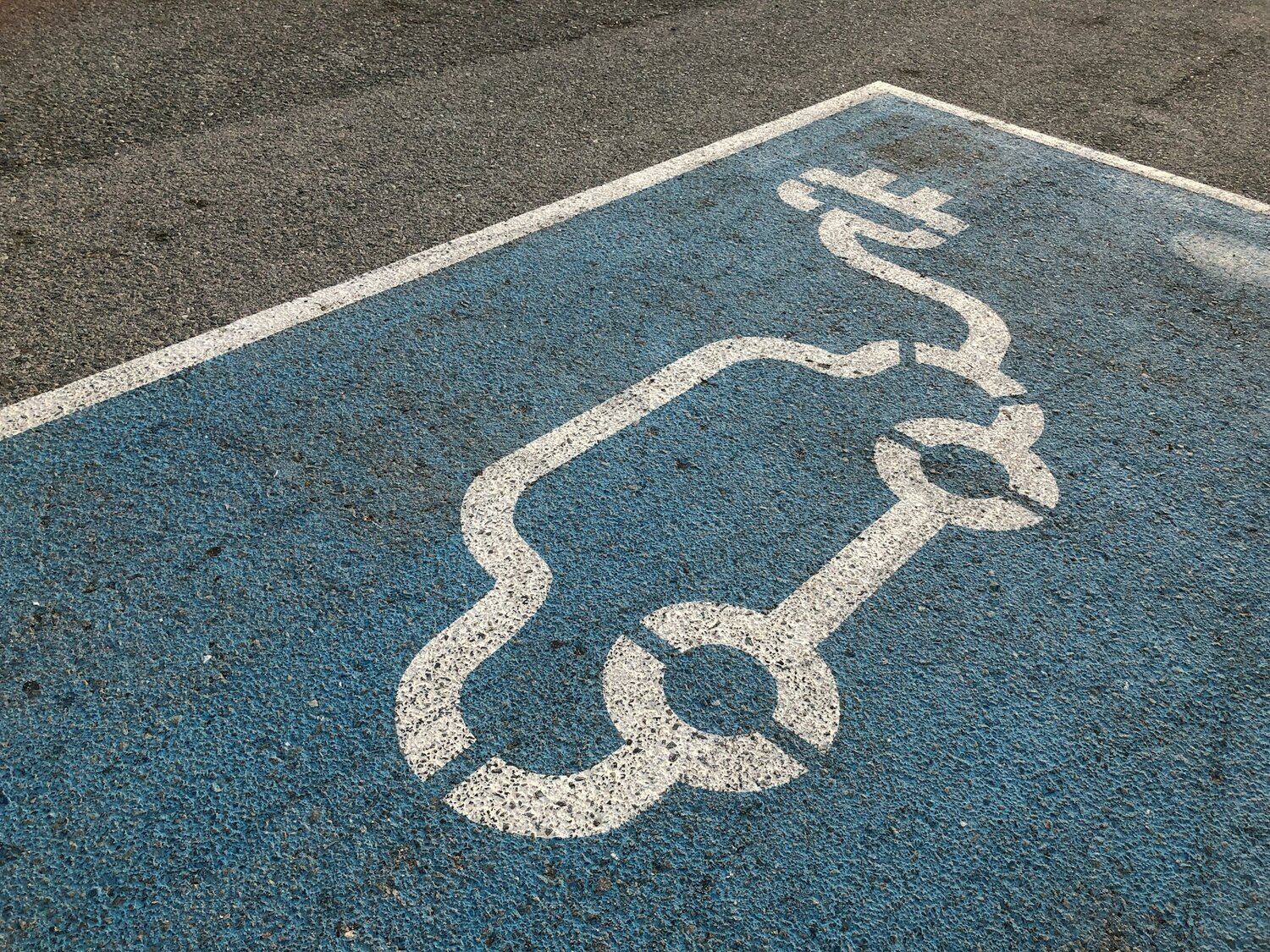
The LEPAS L8 isn't just efficient—it’s engineered for floods, crashes, and unpredictable roads. A hybrid built to endure where other EVs stall.

The UN says global climate pledges would cut emissions just 12% by 2035—far short of the 60% needed to stay within 1.5°C. Scientists warn the window is closing.

AI servers could consume 245 TWh of power and over 1 billion m³ of water by 2030, making energy and water the real bottlenecks in the race to scale artificial intelligence.

BlueGreen’s BGi platform uses AI and satellite data to predict harmful algal blooms early. It helps water managers act before public health is at risk.

Northumbrian Water supports Higher Ground Allendale with funding for energy-efficient upgrades, part of a wider $7 million investment in local environmental resilience.

Mississippi State’s new Energy Resilience and Innovation Hub joins a growing network of university-led centers driving clean energy, grid modernization, and workforce development across the U.S.

Litus has proven its nanotech lithium extraction works at scale, hitting 98% recovery. The low-energy system runs clean, stable, and ready for deployment.

AI’s rapid growth is draining more than just electricity. Behind the scenes, data center cooling is shifting water strain to power plants and local communities.

PEER demands the EPA correct misleading PFAS data, spotlighting risks to scientific integrity and regulatory trust.

AI may run on data, but it drinks water. Ecolab's new global study links rising AI demand to water scarcity—and calls on business to rethink resource use.