


Building upgrades are moving faster than grid and water infrastructure can expand—creating a growing capital risk few models fully capture.

As buildings electrify and demand shifts, facilities teams are encountering infrastructure limits that were never designed to absorb today’s loads.

A new molten-salt reactor project aims to desalinate produced water while generating power. The Permian pilot could redefine industrial infrastructure.

Mainland China, India, and Canada emerged as the top three markets for LEED certification outside the United States in 2025.

Restoring low-yield peatlands may deliver climate benefits within decades. New research challenges old assumptions on emissions, land use, and restoration timelines.

Short drone videos and wave analysis now enable fast, affordable current tracking. This new method skips radar and buoys—just video, math, and real-time insight.

A new Daphnia-based system slashes wastewater treatment emissions by 99.8%. The nature-based tech also removes micropollutants without added chemicals.

Supply pressure and permitting constraints are driving renewed interest in wastewater and by-product streams as supplemental sources of recoverable materials.

Pacifico Energy’s GW Ranch project secured a 7.65 GW air permit in Texas, highlighting how private-grid power campuses are reshaping energy supply for hyperscale AI data centers.

Nanoplastics don't just float—they deliver toxic tire chemicals like 6PPD into fish tissues. The result? Greater damage to eyes, vision, and aquatic ecosystems.

Sappi’s CDP Forests A score highlights how credible sustainability data is increasingly used to support procurement, investment, and regulatory decisions.
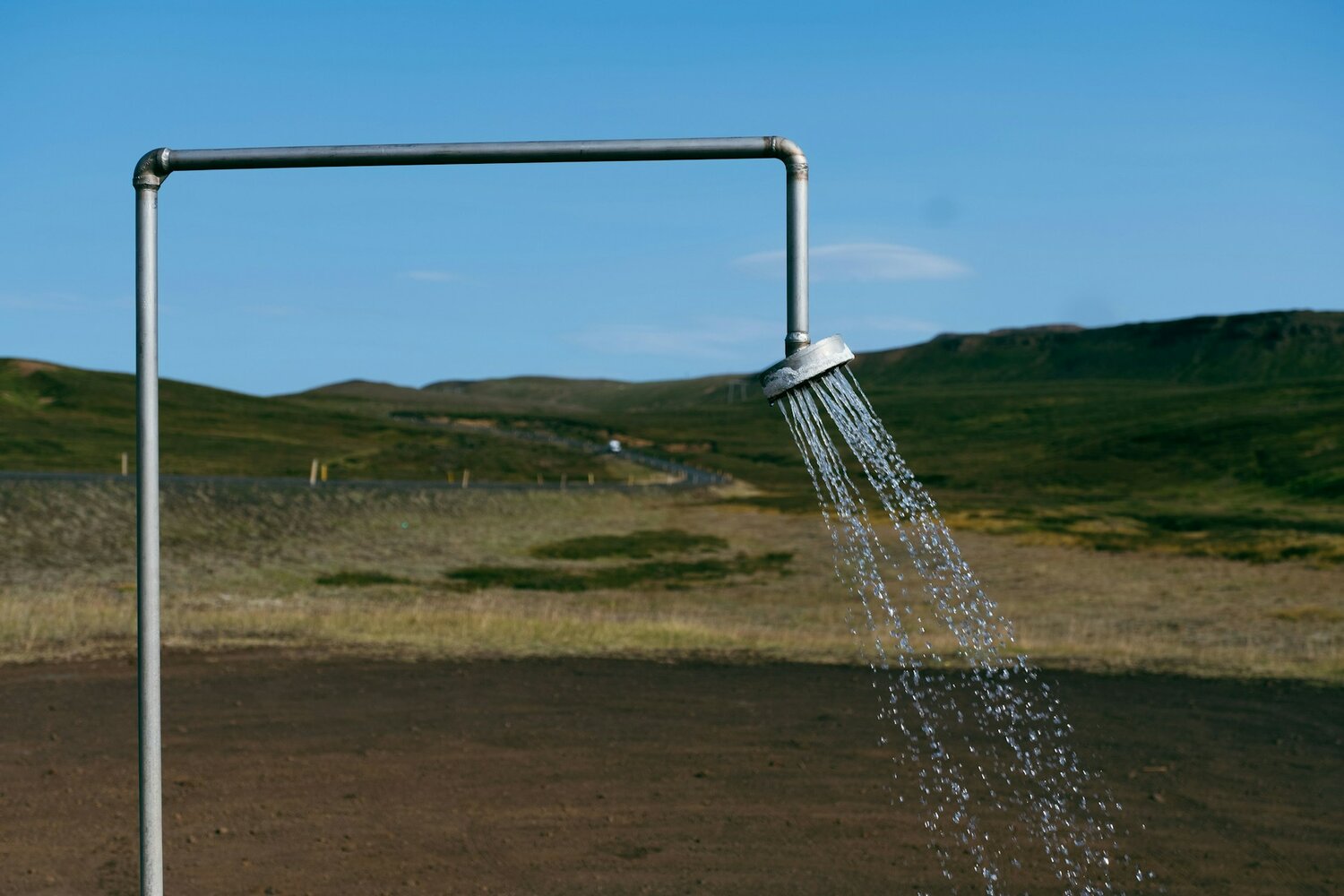
Water is now a strategic risk, not just a utility. A new index from Ecolab and CDP offers companies a way to measure and manage water use with real benchmarks.

Once abandoned, Seattle’s Metropole Building now runs at ultra-low energy use. Its revival shows how cities can cut carbon without erasing their past.

South Korea’s AI Basic Act sets a global precedent for AI governance, but the law remains silent on energy and environmental impacts.

The Aircraft Drinking Water Rule sets clear standards—but new data shows uneven compliance across U.S. airlines.

An Oregon lawsuit over nitrate contamination is drawing attention to how industrial wastewater partnerships can create direct legal and compliance exposure.

Across blue and red states, grid congestion, water law, and system limits are rewriting growth timelines.

Infrastructure limits, regulatory pressure, and legal exposure are surfacing faster than planning cycles can adapt—forcing earlier decisions and shrinking strategic flexibility in 2026.

AVAIO is building a $6B data hub outside Little Rock with plans to reach 1GW capacity. The site merges power, land, and compute to support AI infrastructure growth.

Intel’s latest disclosures show how treating water, air, and chemical compliance as fixed planning inputs—rather than afterthoughts—can reduce regulatory volatility and execution risk.