
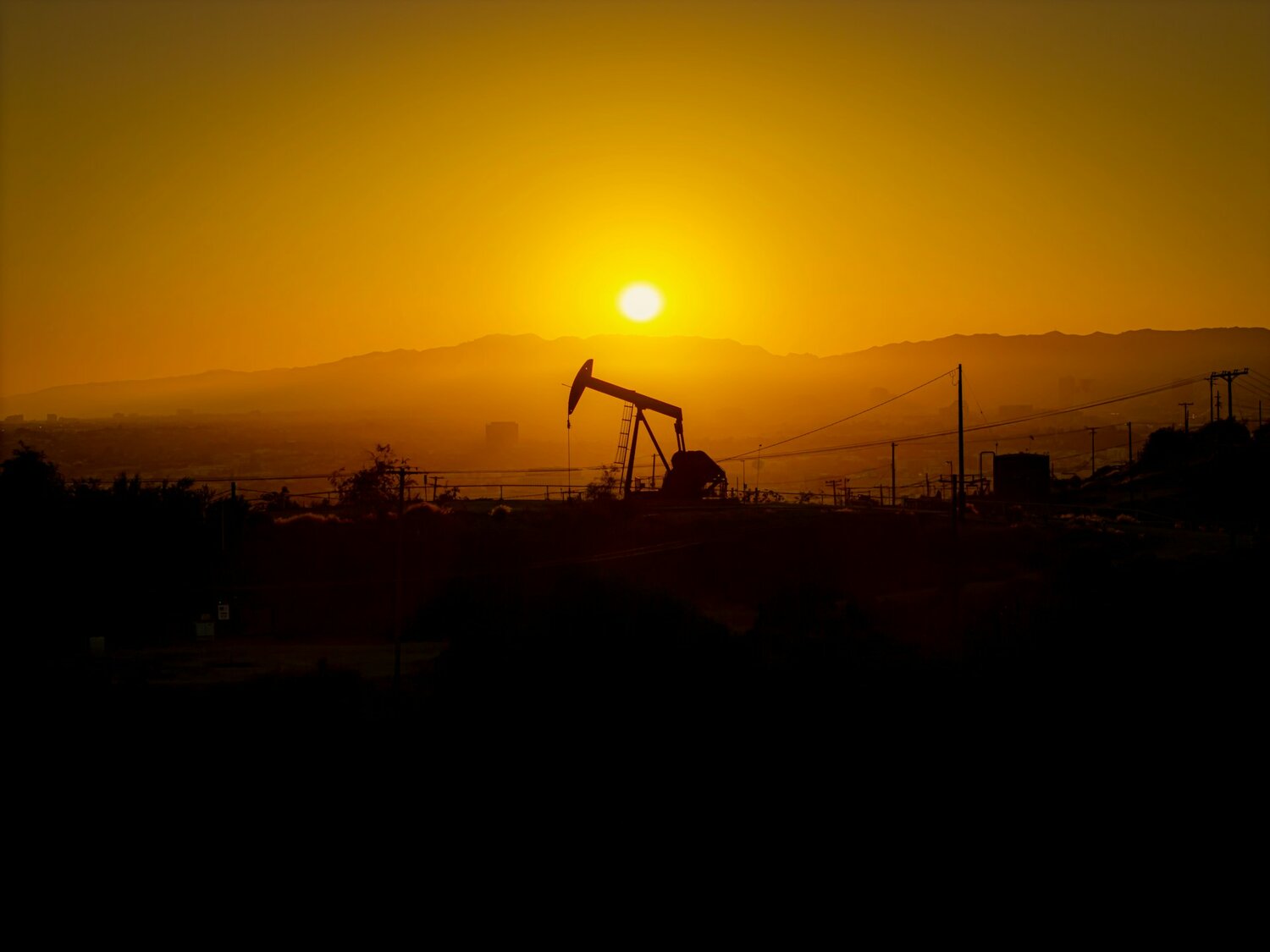
Aging wells often move to smaller operators. New research says these transfers could leave cleanup costs harder to fund.

Tornado damage put Wynne’s wastewater system under pressure. Its rebuild highlights how recovery can support stronger, lower-maintenance infrastructure.

A new electrified cement process could cut energy use and emissions. Using waste cement as feedstock, UBC researchers report a possible circular route.

Vermont's Sustainable Data Centers Act has cleared both Senate committees and is now at third reading following a 26-to-3 floor vote on amendments.

A Utah-Japan pilot will test tungsten recovery from old mine tailings. The project could support cleaner critical mineral supply chains.

Vulcan’s Frankfurt lithium plant moves Europe’s battery supply plans closer to production. NORAM will supply electrolysis technology for refining.

Durham's Society 5.0 model shows how integrated infrastructure intelligence is becoming a material factor in corporate investment and workforce decisions in 2026.

Claros reported high PFAS destruction in concentrate from a Minnesota site. The results point to growing interest in capture-and-destroy remediation models.

A class action against No. 7 Beauty shows how the consumer price premium for sustainable products is becoming a litigation exposure for companies making unqualified environmental claims.

Nine Florida schools earned Melbourne's 2026 ECO School Awards for integrating sustainability, conservation, recycling, and habitat programs into campus life and community engagement.
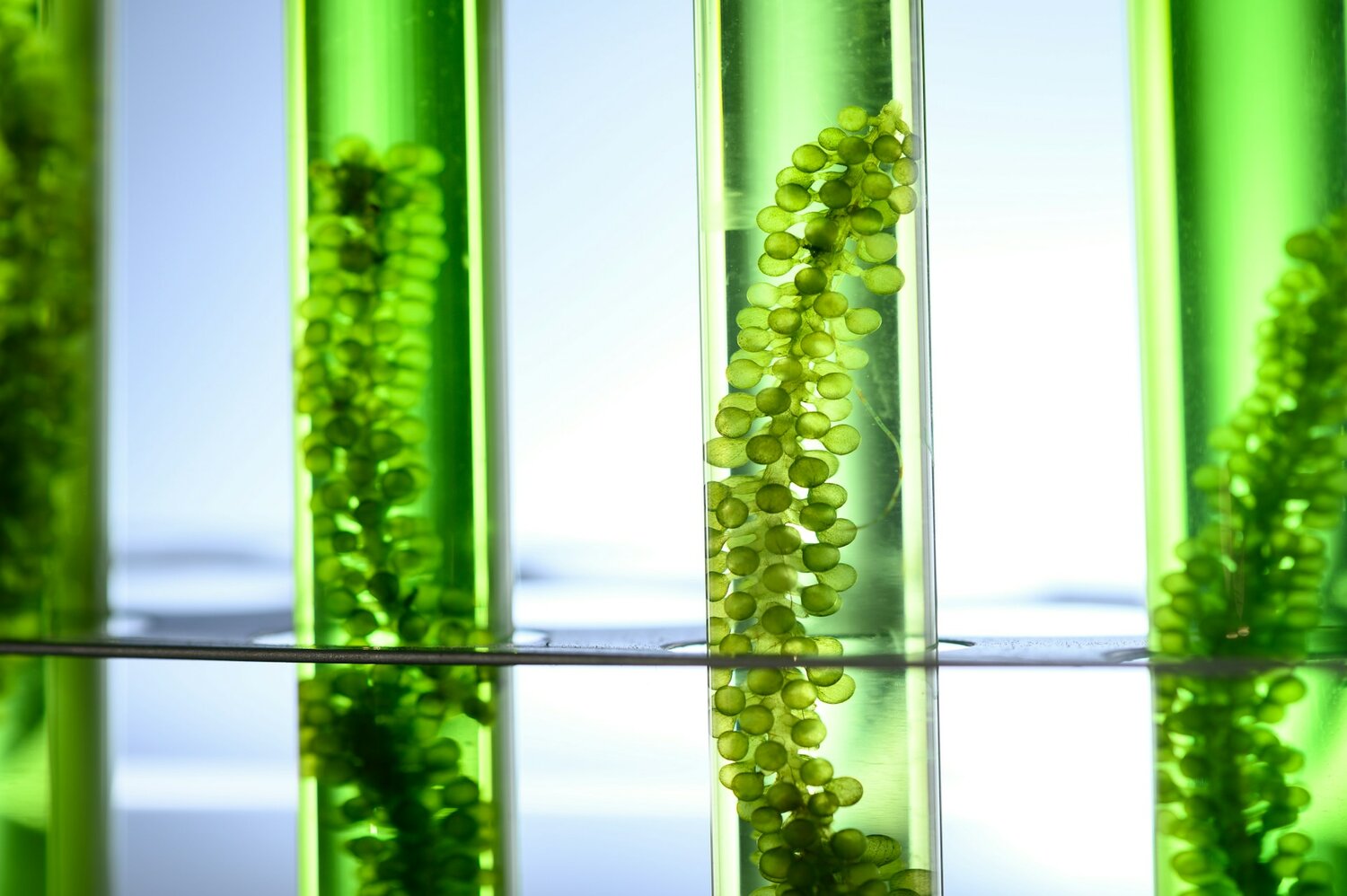
BioMADE is backing 14 projects with $21.4M in funding. The focus is practical: recover critical materials, improve bio-based production and train workers.

New Mexico launched a public dashboard to monitor its 50-year water action plan as the state faces a projected 750,000 acre-foot shortage

Polartec is standardizing black fleece to reduce redundant dye work. The move could help outdoor brands simplify sourcing and cut waste.

The federal BFPP defense protects brownfields buyers from CERCLA liability, but state programs differ significantly. What EHS and legal teams need to understand before acquisition.

Organizations that haven't conducted a systematic PFAS exposure assessment are making that decision by default, and the cost of finding out later is rising.

Crab shell waste may help control how bioplastics degrade in seawater. The approach could improve durability while supporting circular material use.

Restrooms are an overlooked sustainability opportunity. Smart dispensing, responsible materials, data-driven cleaning, and inclusive hygiene help reduce waste, cut costs, strengthen reputation, and support employee retention.

A new USGS tool shows where U.S. water supply and demand collide. It gives planners clearer data to assess risk and guide infrastructure decisions.

A major convention center doubled solar output without expanding space. Thousands of retired panels were reused, cutting waste and supporting local users.

Water risk is now immediate for U.S. businesses. Contamination, rising demand, and uneven regulation are turning supply into a daily operational challenge.