

Switch Bioworks is testing microbial fertilizer in Midwest corn fields. The trials will show whether engineered microbes can support nitrogen delivery at scale.

Canovation and CANPACK are preparing CanReseal for pilot-line use. The project tests whether resealable aluminum cans can fit existing production.

Wisconsin settled its PFAS enforcement case against Tyco Fire Products, requiring a $10M trust fund payment, replacement wells, and 20 years of groundwater monitoring in Marinette County.

Massachusetts health officials are testing air quality at Uxbridge High School after multiple teachers were diagnosed with breast cancer.

Contrails.org has launched open data for airlines. The tool shows where contrails form, helping teams target warming cuts without sweeping fleet changes.
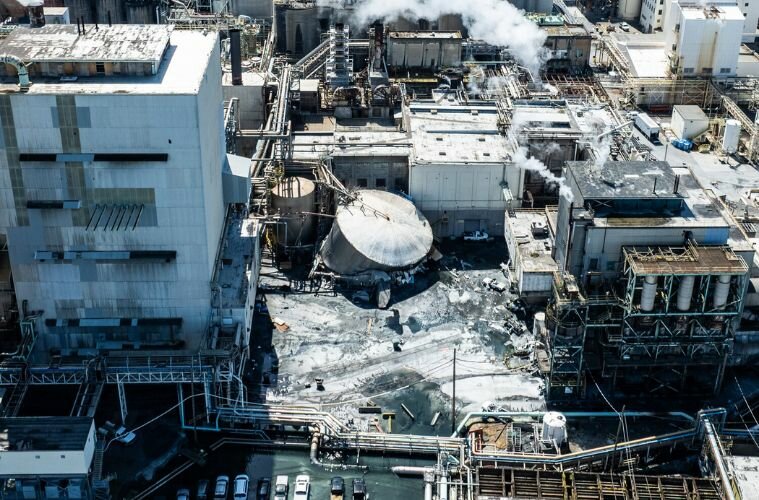
A 900,000-gallon white liquor tank implosion at Nippon Dynawave's Longview mill killed 11 workers on May 26. Federal investigators are on site as scrutiny mounts over the facility's safety record.

Ameresco's Phase 1 manhole rehab in Mesquite, TX shows how cities are managing inflow and infiltration compliance risk as EPA enforcement on wastewater systems tightens heading into summer.

Regulators want data with a documented chain of custody. Assurance providers want controls, not commitments. Most corporate sustainability programs were not built for any of those three things.

USEFULL has launched its first senior living reuse program at The Glen. The model replaces disposable takeout boxes with tracked steel containers.

Companies calibrating their compliance posture against federal enforcement trends are missing where exposure is actually accumulating in 2026, because state environmental and safety agencies are not following the federal lead.

Most facilities do not know their permits have drifted out of alignment with actual operations until an inspector arrives, and the penalties waiting at that point have increased significantly.

Waste is moving from disposal cost to business asset. Circular systems can turn plastics, sludge and organics into energy, materials and resilient supply chains.

The regulatory framework for industrial radiography involves multiple federal and state agencies, dose limits that carry criminal exposure if violated, and compliance failures specific enough that inspectors arrive with a checklist most field crews have never read.

The October 2026 TSCA reporting deadline and July TRI filing date are pulling PFAS into active regulatory scrutiny. Most facility programs are not ready for what follows the filings.

While administrative civil cases are resolving more leniently, criminal enforcement produced its highest defendant count since fiscal year 2016 and resulted in forfeiture exceeding $1 billion in illegal proceeds.

The exposure most EHS teams are carrying right now is not from failing operations. It is from the inability to demonstrate that operations are succeeding.

EPA's industrial stormwater permit expired February 28 with no replacement finalized. Facilities operating under administrative continuance are fully inspectable heading into summer storm season.

GAIA BioMaterials has gained European patent approval for PLA-free film materials. The compounds target compostable bags, aprons and other flexible uses.

The EPA proposed rules on May 18 retaining PFOA and PFOS drinking water limits while rescinding standards for four other PFAS. Compliance shifts to 2031 opt-in, and nearly $1B in new grants rolled out this week.

House FY2027 energy and water bill advances at $58.5B, cutting grid and clean energy programs sharply while boosting nuclear defense and water infrastructure.