
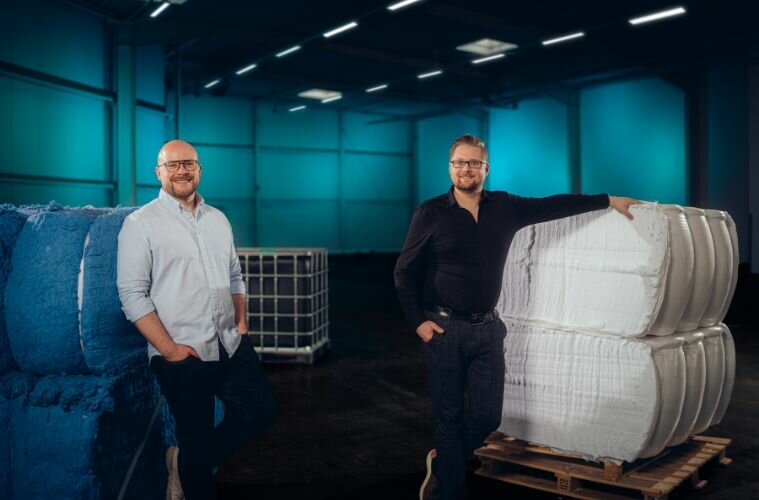
German startup eeden raises $19.3 million to advance chemical recycling of cotton-polyester textiles, addressing rising regulatory pressure and supporting a more circular textile economy.
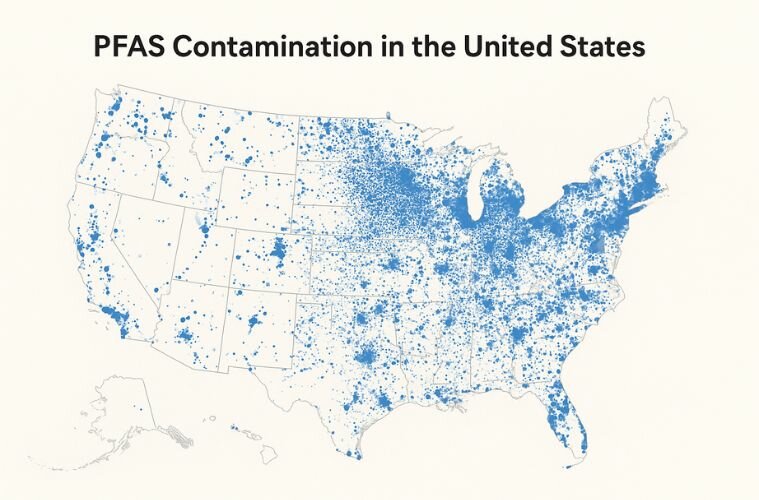
The EPA’s evolving approach to PFAS under Administrator Lee Zeldin blends scientific inquiry, regulatory reform, and polluter liability.

San Francisco’s Ferry Building adds AI bins to cut waste errors. The system helps visitors sort trash right and learn better recycling habits.

For every pound of plastic the Scouts collect—up to 100,000 pounds—CleanHub will remove an equivalent amount from global pollution hotspots.

Scientists have developed a system that captures CO₂ and harvests energy simultaneously using ionic liquids, opening new pathways for sustainable industrial emissions management.

Team Penske expands its sustainability efforts, using advanced data tools to integrate carbon tracking, reporting, and real-time environmental insights.

Swire Shipping partners with Argent Energy and BP to expand biofuel use across South Pacific routes, offering verified emissions reductions to cargo owners.
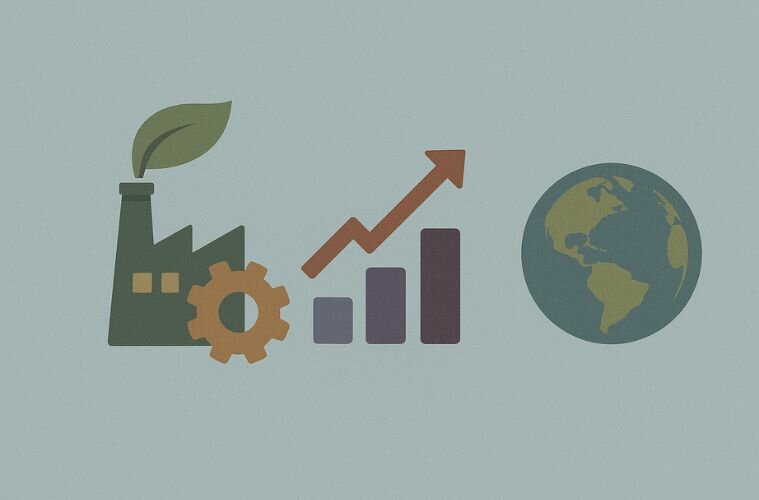
Driven by eco-conscious consumers and accelerated innovation in clean technologies, the global sustainable manufacturing market is set to more than double by 2032, with North America leading and Asia-Pacific emerging as the fastest-growing region.
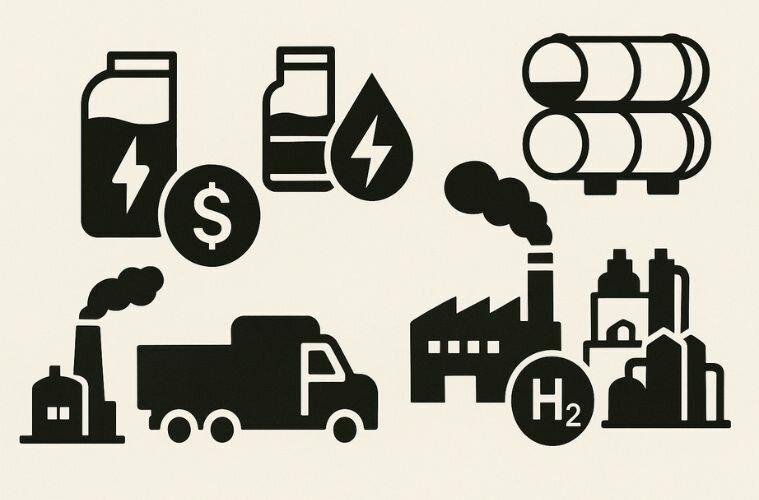
Why America’s hydrogen ambitions must be grounded in science, sector prioritization, and lifecycle emissions data to deliver climate and economic returns.
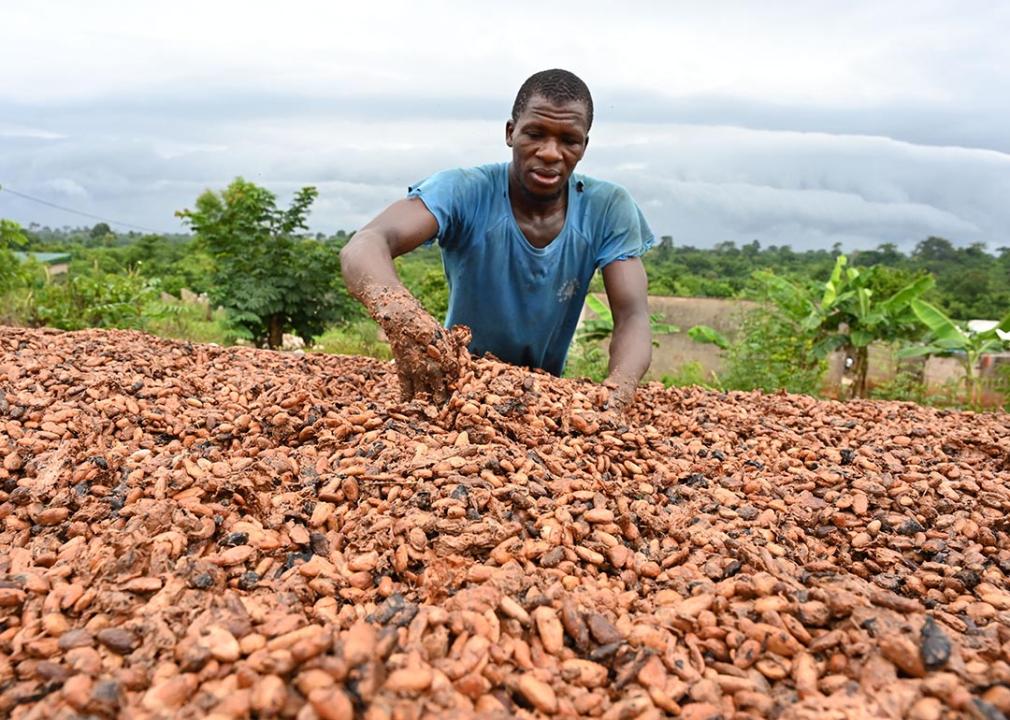
Grist reports that rising temperatures, erratic rainfall, and other climate impacts are throttling cocoa production and driving up chocolate prices.
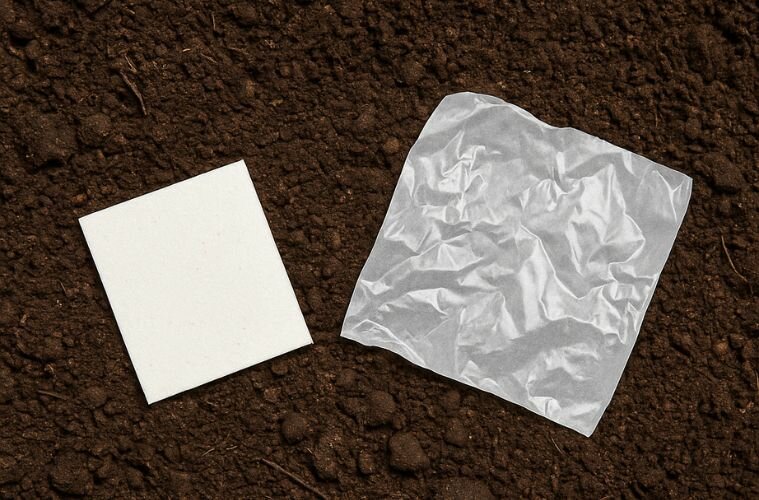
A new workflow enables soil-based testing of biodegradable plastics, supporting agriculture, packaging, waste, and materials industries with real-world data.
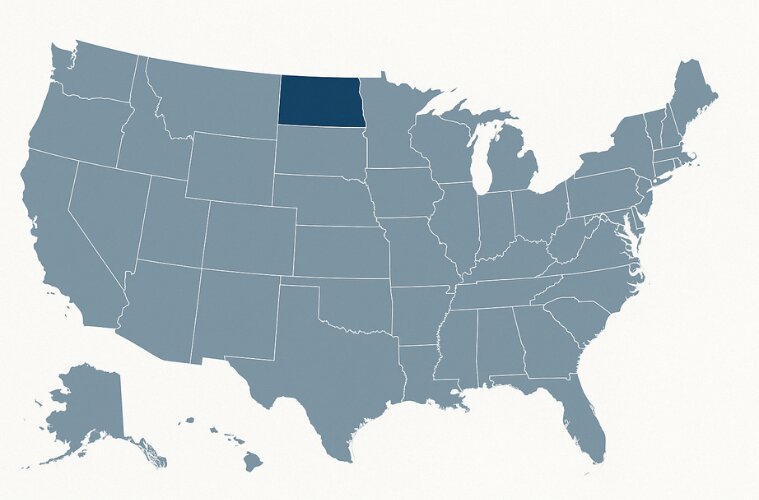
North Dakota authorizes a $600K study on advanced nuclear energy, exploring SMRs, grid readiness, economic impact, and legal feasibility ahead of the 2027 session.
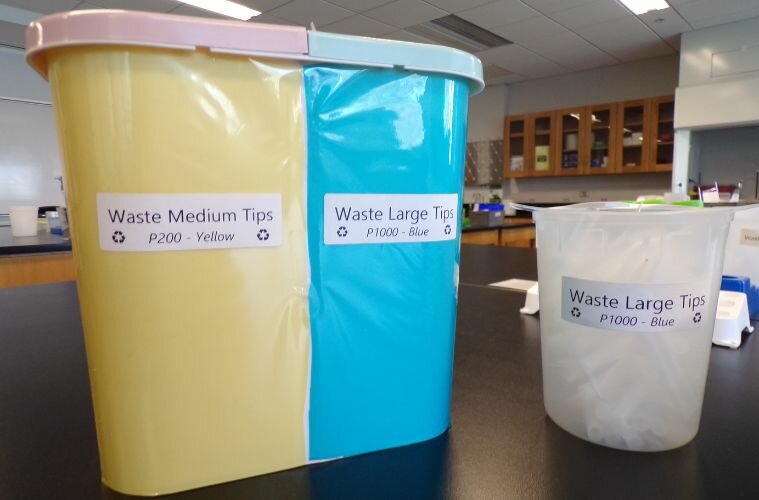
Georgia Tech is transforming its labs with the My Green Lab certification, cutting energy and waste while boosting sustainability in academic research.
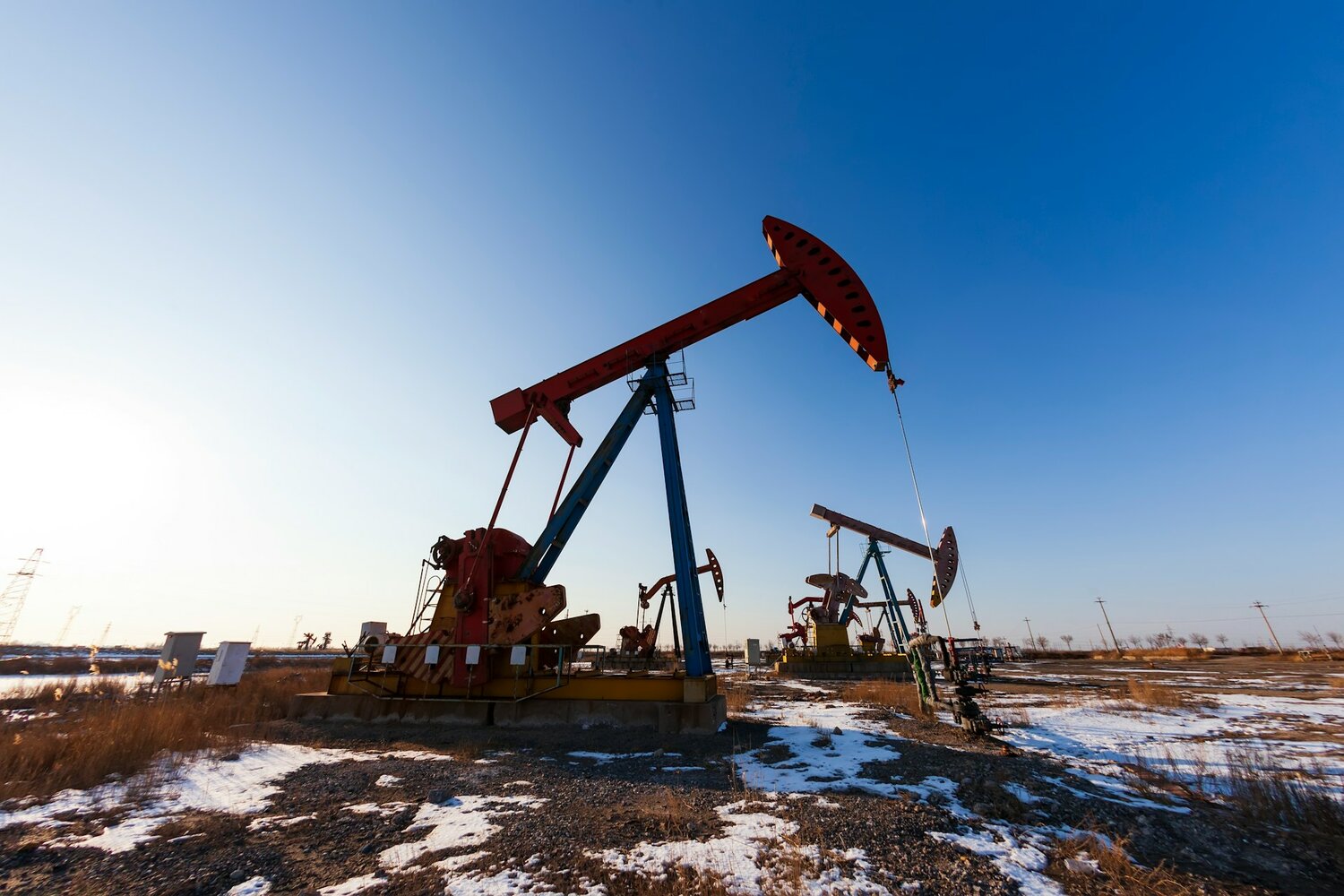
Well Done Foundation plugs its 50th orphaned oil well—its first in Oklahoma—through a landmark partnership with the U.S. Fish and Wildlife Service.
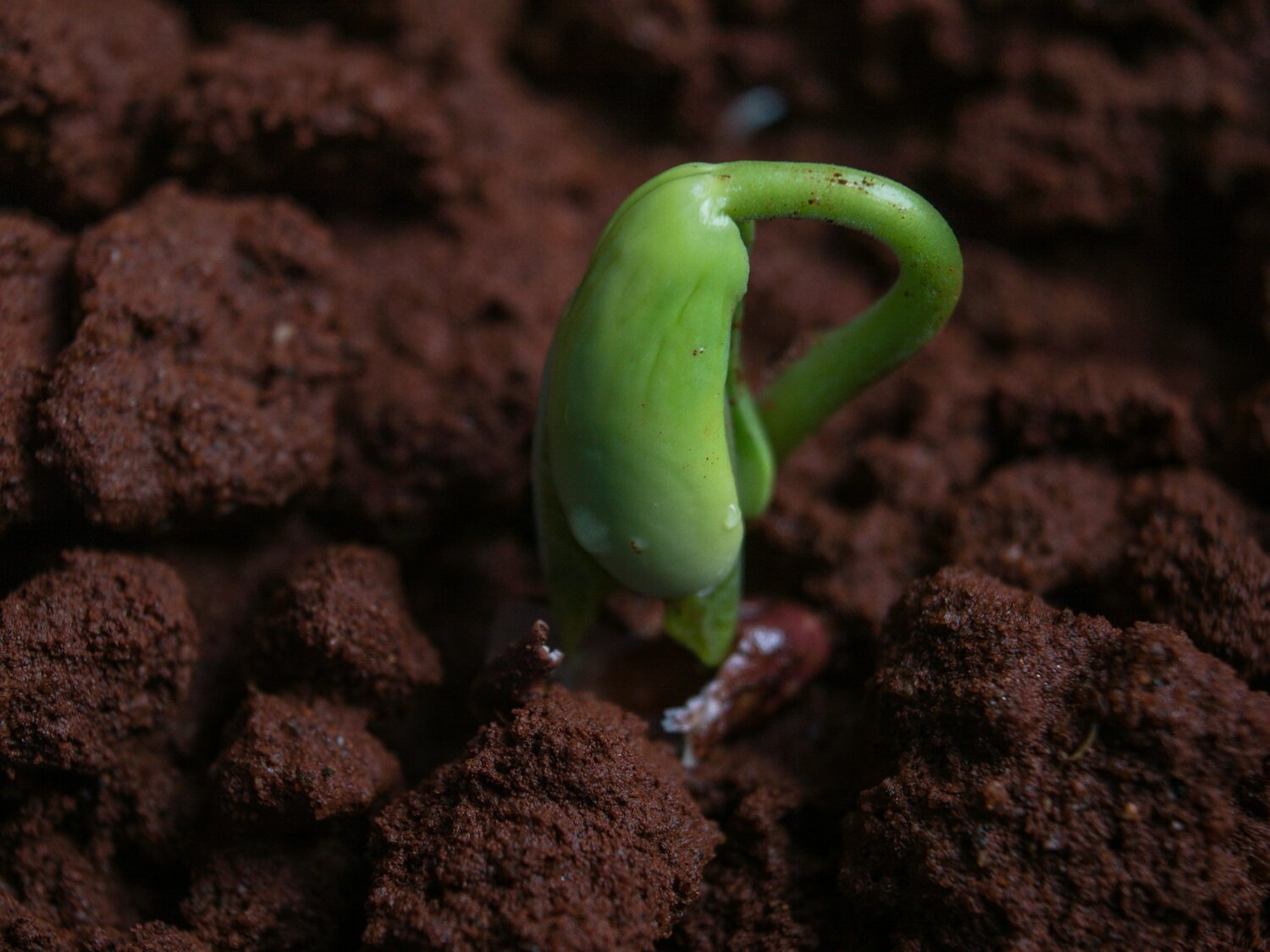
Toxic metals now taint 16% of cropland, affecting key food regions. Agribusiness faces rising risks to production and trade stability.

Hawaii Legislature passes resolution urging alignment with the UN Plastics Treaty and Rapa Nui Declaration to combat plastic pollution and protect marine ecosystems.
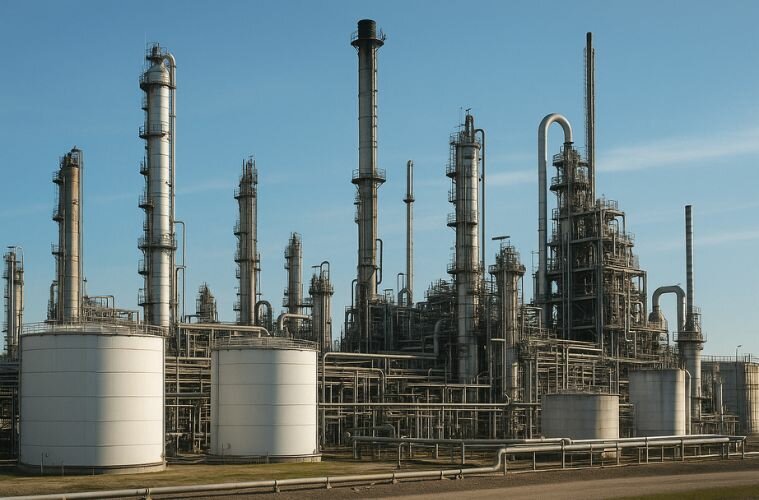
The U.S. leads North America’s SAF surge with billion-dollar projects and policy backing, while Canada sets the stage with early investments and partnerships.
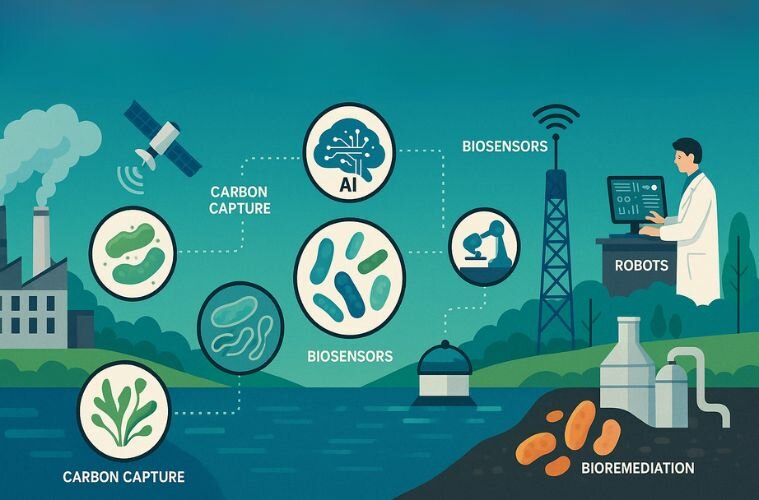
Engineering biology is combining with AI and IoT to deliver scalable, real-time solutions for pollution, climate resilience, and sustainable manufacturing.
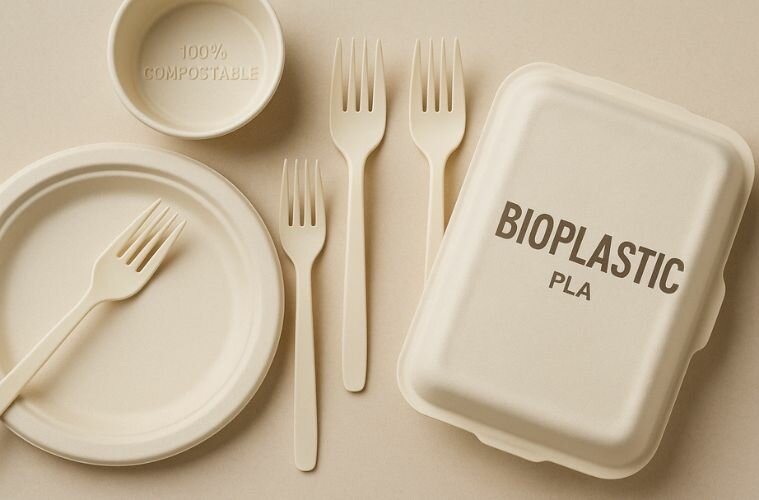
New research suggests common starch-based bioplastics may cause insulin resistance and liver damage—raising urgent questions about their safety in food packaging.
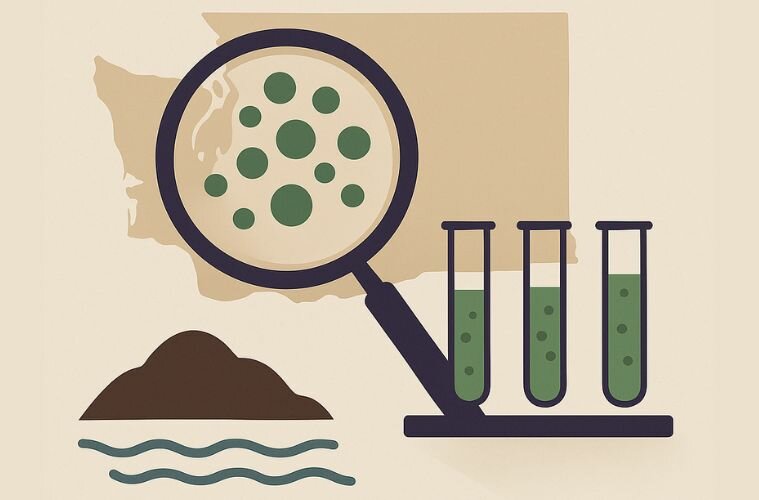
Washington mandates PFAS testing in biosolids starting 2027, with final reporting due 2029, advancing public health protections and data-driven regulation.