

Toilet paper is splitting into two camps: sustainable and status quo. New NRDC data shows legacy brands lag as bamboo and recycled options gain ground.

Lethbridge completes Alberta’s first curbside battery pickup, collecting 3,000 kg and setting a new benchmark for accessible, community-driven recycling programs.

Atlas’ new ReGenX tech adds recycled content to cold chain products—no added cost, no drop in performance. A smarter way to hit ESG goals without trade-offs.

Twelve female waste pickers from Kenya are using theatre to share their role in plastic recovery—pushing for recognition during global plastics talks.

New Jersey’s PFAS bills tighten product bans while granting fire departments a one-year foam extension, reshaping compliance for municipalities and industry.

Texas A&M is turning engineered clay into a practical defense against PFAS, VOCs, and more. These tools aim to reduce exposure before it becomes a crisis.
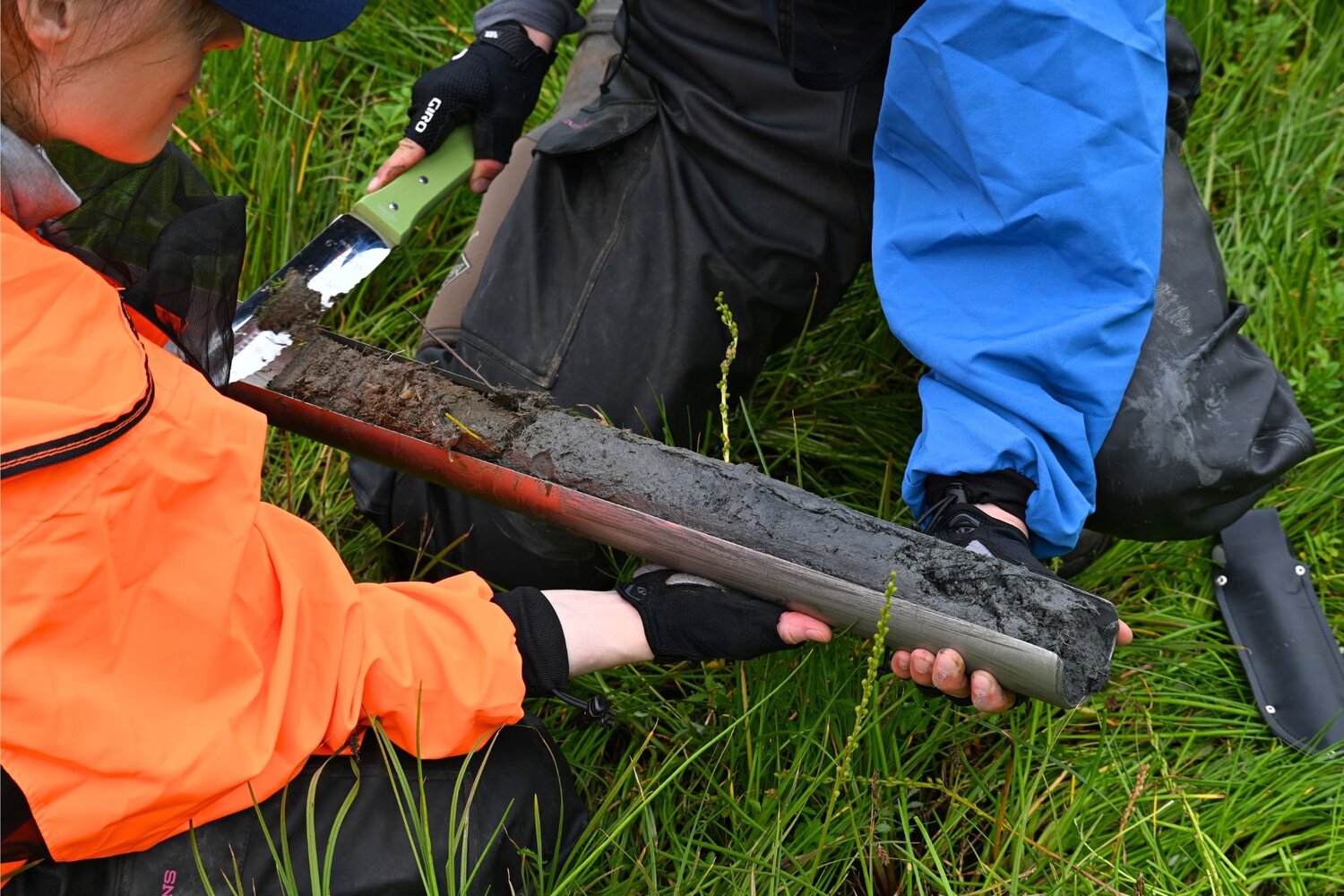
A new study finds common wetland carbon metrics may be overstating storage. The overlooked data gap could impact carbon credits and coastal restoration plans.

Circular Materials is partnering with Earth Rangers and EcoSchools Canada to expand recycling education and support Ontario’s transition to extended producer responsibility.

Methanol is ready to power low-emission shipping, but high costs and tight supply are slowing its rise. Regulatory clarity will be key to scaling adoption.

New research identifies Dolichospermum as Lake Erie’s saxitoxin producer, raising climate-linked concerns as warming waters reshape harmful algal bloom dynamics.

The AI in environmental sustainability market will reach $53.9B by 2031, driven by regulation, corporate climate targets, and advances in machine learning and IoT.

Chesapeake Bay states approved a revised watershed agreement setting 2040 pollution-reduction and habitat goals to protect jobs, ecosystems, and coastal communities.

Stepan and AmphiStar form an exclusive EMEA partnership to expand access to low-carbon, upcycled biosurfactants for Home Care and I&I cleaning markets.
FDA has withdrawn its proposed talc asbestos testing rule after reviewing 49 comments, citing technical, legal, and definitional concerns. A new MoCRA rule is planned.

Georgia’s municipalities are showing how global sustainability goals can be translated into local results.

Veolia’s acquisition of Clean Earth doubles its U.S. hazardous-waste footprint and expands PFAS and advanced treatment technologies across a nationwide network.

Sixteen U.S. universities ranked in the global top 100 of the QS Sustainability 2026 list, driven by strong research, ESG governance, and environmental education.

New research shows that shifts in Southern Hemisphere westerly winds can rapidly alter storm patterns, rainfall, and climate risk across mid-latitude regions.

California applies 2.5M pounds of PFAS pesticides each year, raising concerns about soil, water, and ecosystem contamination as regulators lag behind emerging science.

A new collaboration between Emirates Rawabi PSC and ReFarm Global aims to scale circular agriculture in the UAE, integrating soil, water, and waste systems to reduce costs, improve yields, and support urban infrastructure.