

Two Arizona rate cases approved increases of up to 300% for small rural water systems with aging infrastructure, reflecting a national pattern Pew and AWWA research puts at $2.1 trillion in need by 2050.
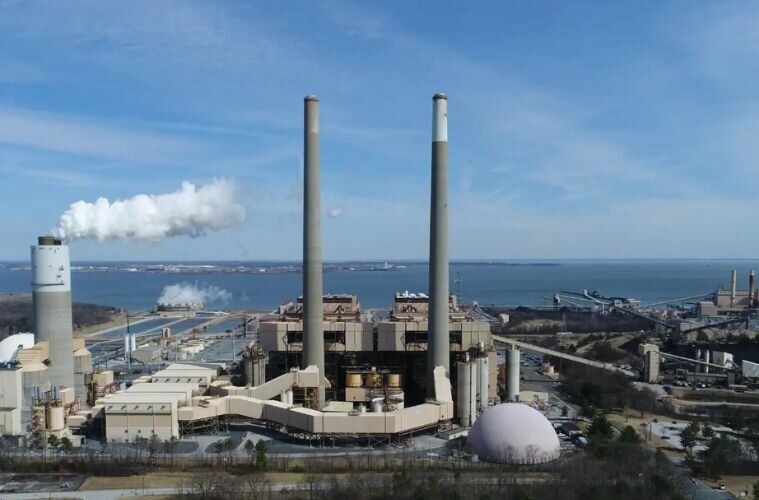
PJM and Talen Energy have filed at FERC to extend the Brandon Shores and H.A. Wagner reliability-must-run agreement to May 2031, citing transmission delays driven largely by data center load growth.

AI growth is reshaping data center design. A new framework gives operators a clearer path for managing power, cooling and uptime.

SolarEdge Nexis is gaining ground through new financing approvals. The move could help installers offer solar and storage with fewer sales barriers.

Chloride ions from seawater are drawing new battery research attention. Early solid-state work could support future grid storage beyond lithium.
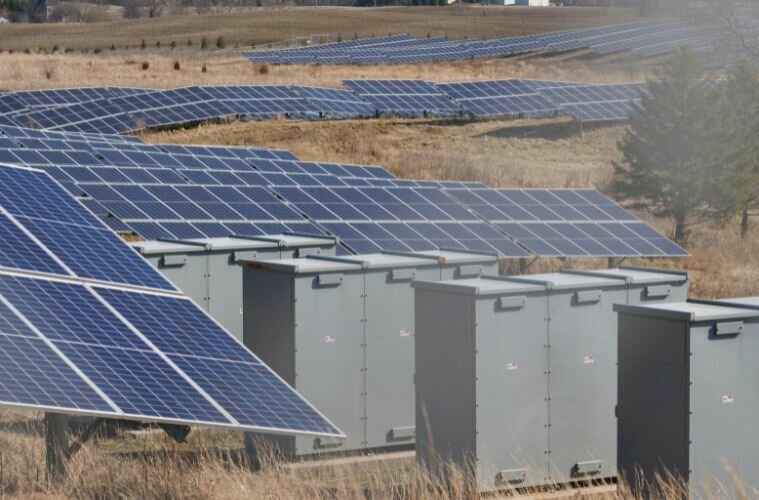
States that voted for President Trump in 2024 accounted for 74% of all solar capacity installed during the quarter, with TX, FL, OH, IN, MI, AZ, and MS ranking among the top ten states for new additions

Zurich Resilience Solutions analysis of 1,380 Southeast Asia renewable energy sites finds 75% of planned capacity at critical climate risk by 2030 and $165 billion in value at stake.

Colorado River storage is shrinking. Businesses face tighter water planning, higher supply risks and fewer buffers against dry years.

Ohio's House passed H.C.R. No. 35 63-32 on June 9, urging Congress to reform federal energy permitting and citing a 2,000-gigawatt interconnection backlog and NEPA timelines near four and a half years.

Congestion costs in PJM topped $3 billion in 2025 and may double again this year — and those costs show up directly in electricity bills. Dynamic line ratings won't solve the underlying infrastructure gap, but they can take a meaningful bite out of congestion while the grid expansion the country needs catches up. The problem is that most regulators don't yet understand how.

Federal permitting blocked 11 GW of clean energy in one year. The interconnection queue holds 2,060 GW more. Operations teams with project-tied energy timelines carry direct exposure.

Billion Watts and Enervest are developing smaller battery sites across NSW and Victoria. The portfolio targets local grid support, storage revenues and resilience.

Las Virgenes is testing subsea desalination. The project could add a local supply option as drought and imported water risks grow.

DOE selected Duke Energy for up to $96 million in federal funding for reliability upgrades at coal-fired power plants in Kentucky and North Carolina across three sites.

T5’s East Texas lithium project has secured a five-year Glencore offtake deal. The agreement links Smackover output to U.S. battery supply chains.

GHG Protocol updates would require hourly-matched renewable energy procurement. Companies built on annual RECs or cross-border certificates face a disclosure credibility problem.

Water risk is becoming a business issue for agriculture-linked companies. A new Bluerisk guide sets out practical steps to strengthen supply chain resilience.
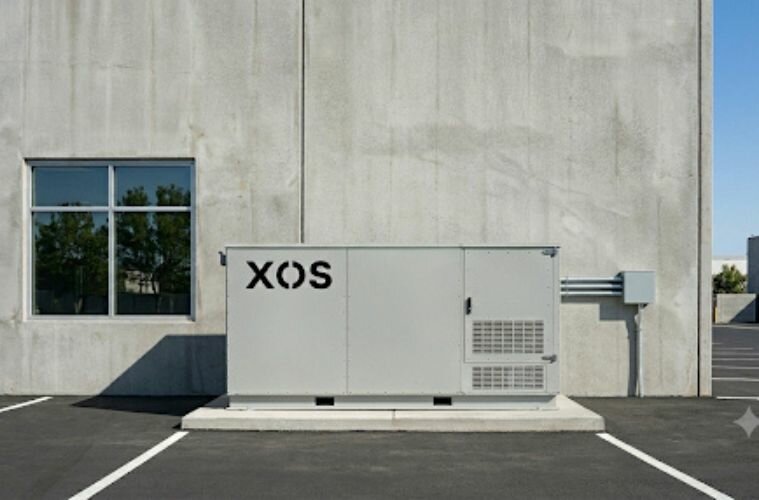
Xos launched a 2.5MWh containerized energy storage system targeting AI data centers and industrial sites stuck behind three-to-seven-year grid interconnection timelines.

Utilities are rethinking customer programs as grid tools. Coordinated flexibility can cut peaks, support reliability and ease pressure on new capacity.

Louisiana’s AI data center boom is testing the state’s power system. Advocates warn households and businesses could face higher bills without stronger oversight.