

New research shows water quality data can help identify high-risk abandoned mine sites, improving how agencies prioritize cleanup efforts.

New research shows U.S. recycling rates hinge on infrastructure access, not intent—reshaping how companies measure sustainability performance.
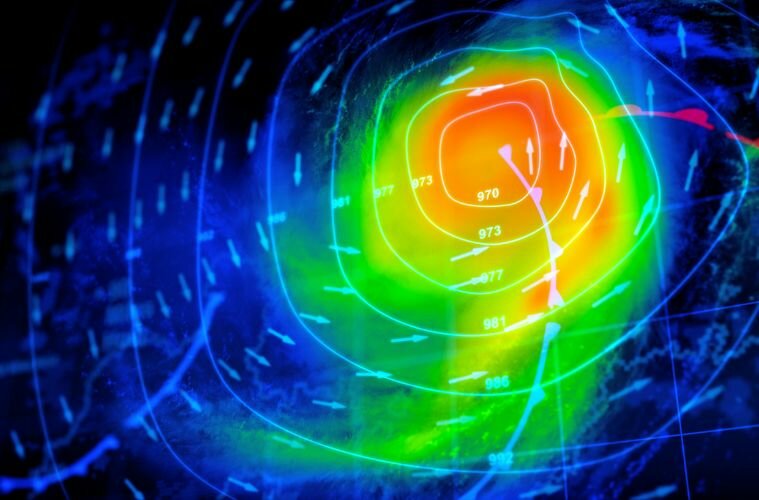
Boston University research shows how AI is improving climate predictions, helping businesses anticipate supply chain and operational risks earlier.

New research finds lead in some children’s clothing fabrics. The findings raise fresh concerns for fast fashion supply chains and product safety.

A new recycling method could recover more battery materials with less energy. The approach may improve supply stability and reduce waste.

Deforestation is no longer just about palm oil and beef. Staple crops like rice and maize are driving a larger, more complex share of global forest loss.

AI is scaling fast across energy, but adoption is uneven. New research shows gaps between sectors, shaped by data, talent, and operational demands.

New SAF testing suggests fully synthetic jet fuel is closer to market. Converting byproducts into aromatics could remove fossil blending.

New research spanning 2,000 years of fire history finds 20th-century peatland burning is unprecedented — and human land use is driving it.

A new DOE-sponsored report from 70 researchers identifies fusion diagnostics as a critical gap in the U.S. path to commercial fusion power.

New research finds small shelf and discount changes can lift grocery profits by 6%. The same moves can cut food waste by more than 21%.

Texas A&M is evaluating a very-high temperature research reactor in College Station. The project could anchor advanced nuclear R&D and industrial decarbonization.

Researchers have developed a process that dissolves waste PET plastic and converts it into clean hydrogen gas and a commercially valuable agricultural chemical.

Air conditioning demand is set to surge by 2050. That growth could rival major national emissions, tightening the link between cooling, equity, and climate risk.

Two McMaster students built a circular fashion nonprofit that repairs and reuses donated clothing, quantifies carbon impact, and delivers complete outfits — not loose garments — to Hamilton families.

New data show babies were exposed to more PFAS before birth than standard tests detected. The findings could reshape risk models and policy.

Microplastic monitoring may be shifting out of specialist labs. Metal oxide electrodes offer faster, lower-cost detection in the field.

AI clusters are scaling faster than utilities can respond. TurboCell aims to deliver fast, modular power that adapts as grid connections catch up.

AI workloads are driving sharp power swings in modern data centers. New hybrid stabilization systems aim to keep voltage steady in real time.

A new method links satellite imagery to microplastic levels in the sea. It could give industries and regulators scalable, low-cost pollution tracking tools.