

A new University of Wyoming project highlights how DOE increasingly views coal plants as platforms for critical minerals, water savings, and carbon capture.

Silicone hull paint beat copper coatings in European tests. The findings could reshape antifouling choices for boatyards, marinas and paint suppliers.

Chloride ions from seawater are drawing new battery research attention. Early solid-state work could support future grid storage beyond lithium.

MIT research shows third-party audited companies initially report 13.7% higher emissions. That is not failure. It is what honest measurement looks like — and regulators are watching.

Tiny species are driving a bigger recovery story. Lord Howe Island’s invertebrate rebound shows why invasive species work matters.

A University of Rochester solar desalination system now extracts lithium directly from seawater, a development procurement teams tracking battery supply chain risk should follow.
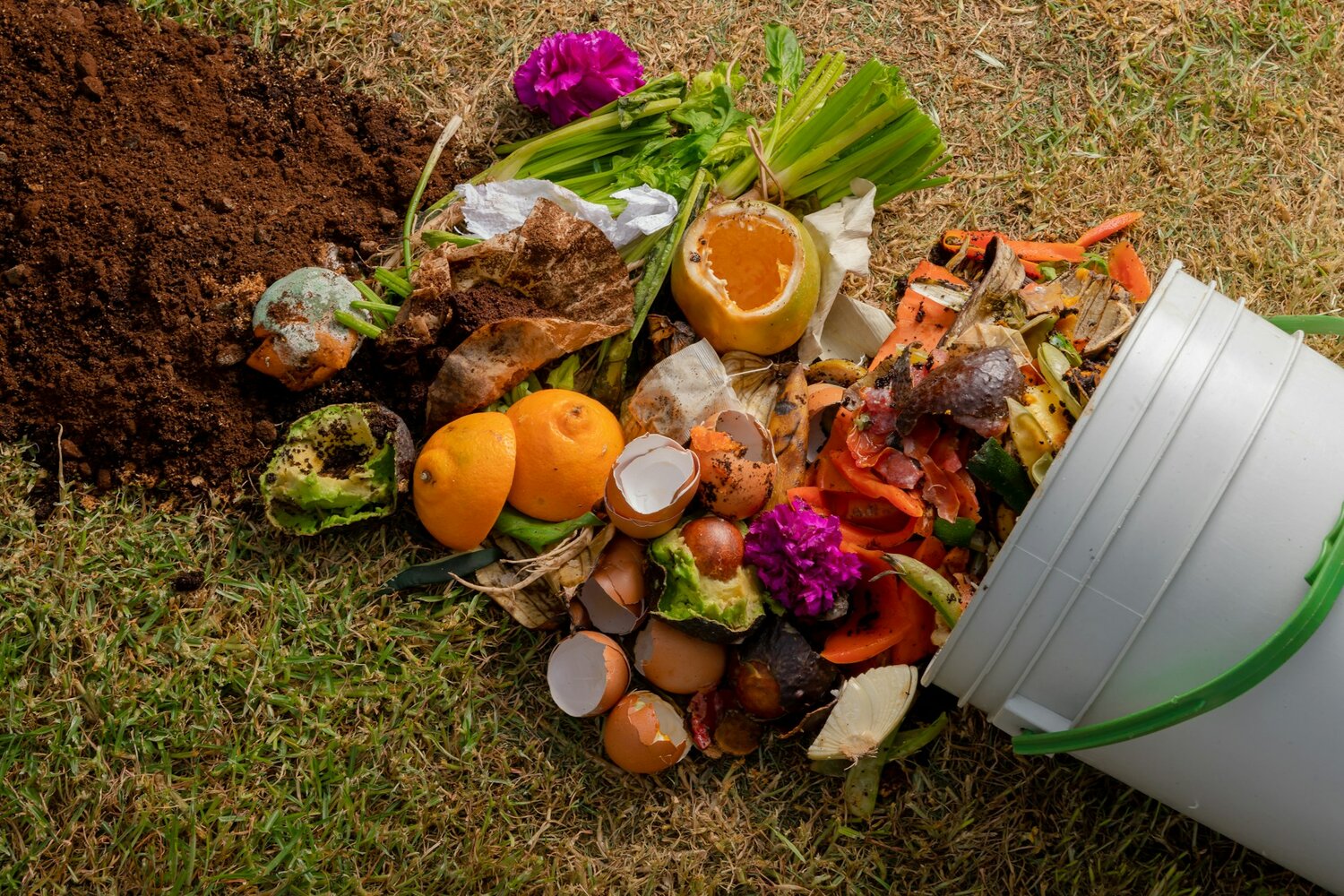
Waste is moving from disposal cost to business asset. Circular systems can turn plastics, sludge and organics into energy, materials and resilient supply chains.
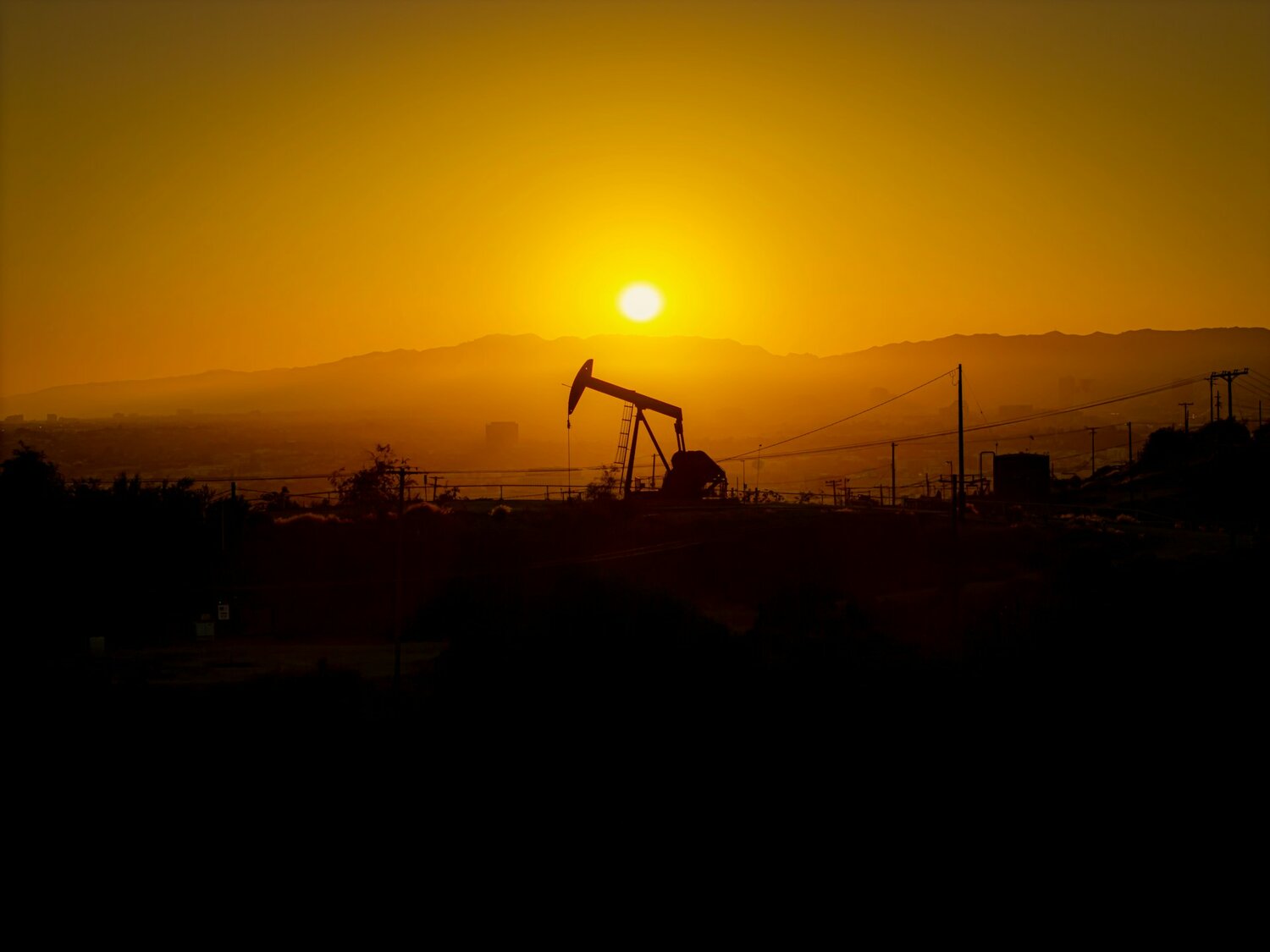
Aging wells often move to smaller operators. New research says these transfers could leave cleanup costs harder to fund.

A new electrified cement process could cut energy use and emissions. Using waste cement as feedstock, UBC researchers report a possible circular route.

UHERO's 2026 Housing Factbook documents declining condo prices, surging insurance premiums, and new FEMA flood map changes arriving in June that will raise carrying costs further.

New peer-reviewed research finds thermal and electrical demand response can cut energy system costs up to 40% in constrained grids, with low adoption rates still delivering real savings.

A Rice University PNAS study links El Nino and Indian Ocean Dipole climate patterns to armed conflict onset in drought-exposed regions, with implications for supply chain and operational risk planning.
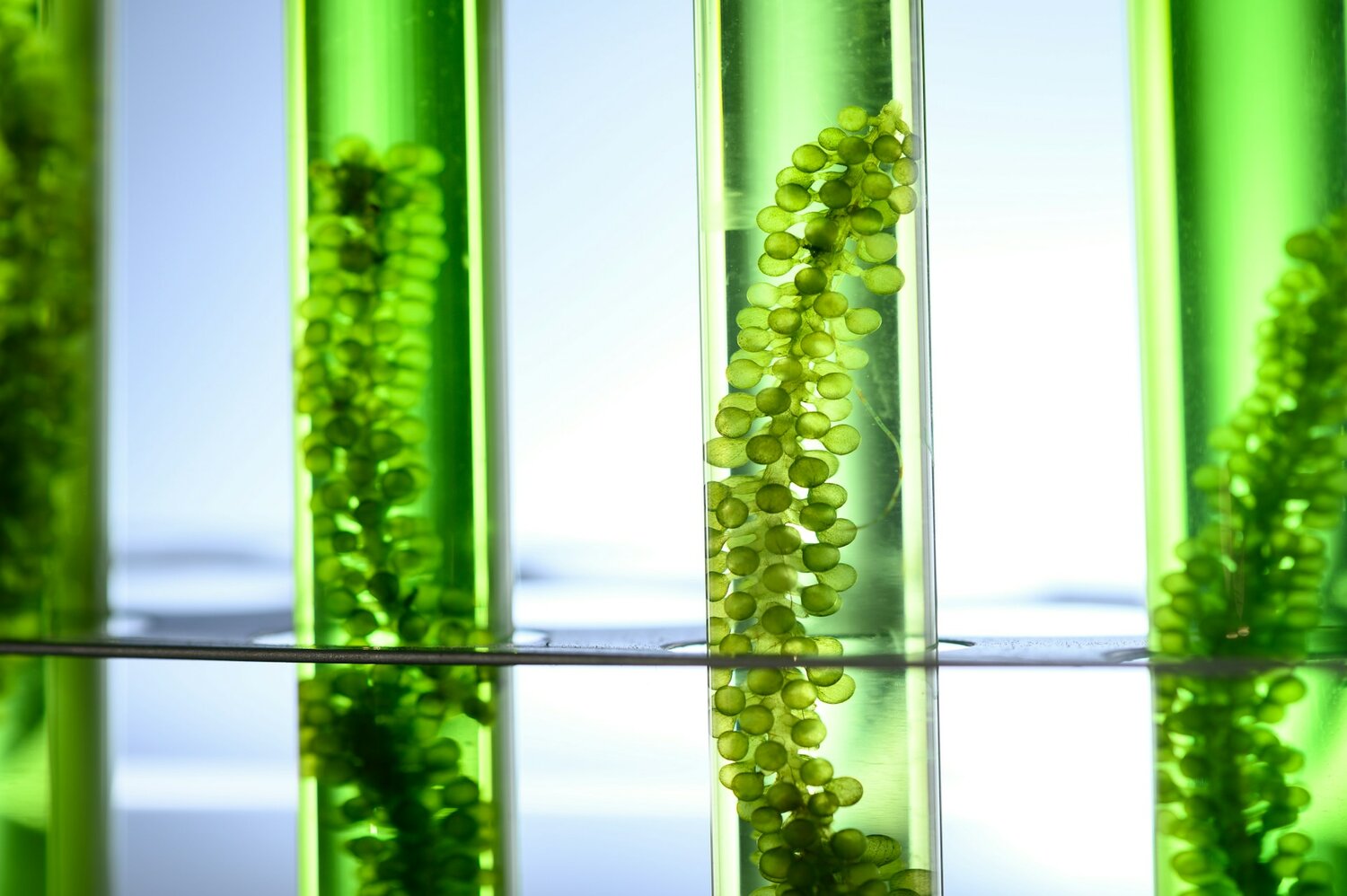
BioMADE is backing 14 projects with $21.4M in funding. The focus is practical: recover critical materials, improve bio-based production and train workers.

School districts are expanding solar projects beyond pilot phases. By pairing generation with efficiency upgrades, they aim to cut costs and emissions.

Researchers test a vibration based method to scale graphene production with lower energy use. Soon results show faster output and less environmental trade offs.

Crab shell waste may help control how bioplastics degrade in seawater. The approach could improve durability while supporting circular material use.

Researchers are building electronic materials atom by atom. The approach embeds performance at design stage, not after fabrication.

Renewable growth is proving less predictable than expected. New AI modeling shows wind and solar expand in bursts, reshaping how forecasts are built.

UNSW's new $5 million research hub aims to prevent a supply chain crisis by tackling Australia’s fast-approaching solar waste problem and accelerating recycling infrastructure.

Heat-tolerant enzymes are moving closer to industrial use. New structural insights show how proteins can stay stable and active in extreme conditions.