

The Genesis Mission is a federal initiative, backed by presidential executive order, to connect the DOE's 17 national laboratories with the country's most advanced AI, computing, and quantum systems.

Massachusetts and Illinois lead the 2025 USGBC green building rankings as data centers, life sciences, and advanced manufacturing push LEED adoption into new territory.

Trump's reshoring push, AI disruption, and a 500,000-worker skilled trades gap are converging — and infrastructure decarbonization is caught in the middle.

U.S. biogas investment passed $2B in 2025, with 70 new projects online. RNG output jumped as landfill and farm systems scaled capacity.

Grid constraints, regulatory uncertainty, and return visibility reshaping sustainability and infrastructure investment decisions.

Corporate resilience investment is increasing across climate, cyber, and infrastructure domains, but disconnected planning limits the effectiveness of risk mitigation in 2026.

Toronto Hydro expanded its demand response signaling growing reliance on localized peak management to address transformer constraints.

As data center growth accelerates electricity demand, North Carolina’s task force explores tariff reforms, forecasting changes, and cost allocation strategies to manage rate pressure.

Uneven enforcement of PFAS standards, methane rules, and climate disclosure laws is increasing financial and insurance exposure.

Rising energy price swings, load variability, and tighter reserve margins are pushing grid and industrial infrastructure closer to operational limits.

A new assessment of Odisha’s power system shows how repeated cyclones expose infrastructure vulnerabilities, recovery limits, and the role of operational preparedness in resilience.

NYPA’s AGILe joins DOE’s grid test bed inventory, expanding national access to system-level grid testing and digital twin capabilities.
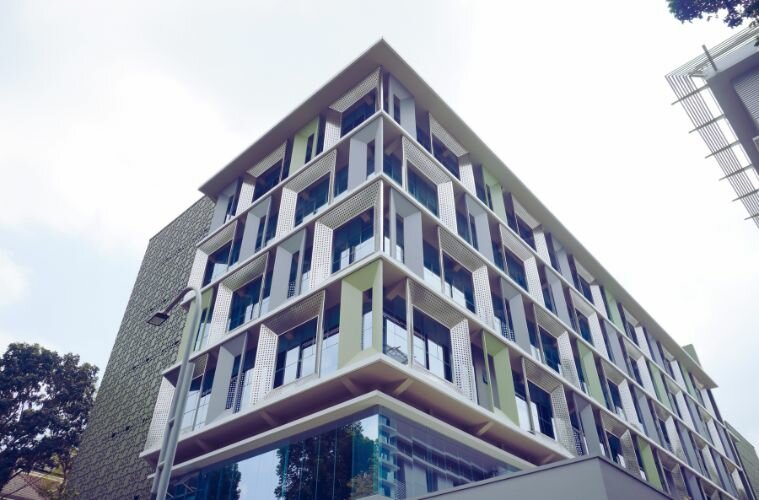
As buildings electrify and demand shifts, facilities teams are encountering infrastructure limits that were never designed to absorb today’s loads.

RICS data shows planning delays, labor shortages, and cost pressures reshaping how—and how fast—green building projects can move forward.

Energy availability and interconnection risk are forcing organizations to evaluate power feasibility earlier as execution timelines collide with infrastructure constraints.

As digital energy demand accelerates faster than grid expansion, demand response and storage are emerging as core tools to manage peak exposure, costs, and execution risk.

Procurement risk is increasingly shaped by energy availability, infrastructure capacity, and permitting timelines—before supplier decisions are even made.

San Francisco is beginning the process of consolidating planning and building departments to reduce permitting delays that have slowed housing and business development.

Dubuque is piloting organic land care in Jackson and Washington Parks. The project shifts focus to soil health, aiming to cut chemicals and boost resilience.

Facilities and energy teams are encountering operational constraints earlier than expected in 2026. Why timing, not ambition, is exposing strategic gaps.