

Colorado River storage is shrinking. Businesses face tighter water planning, higher supply risks and fewer buffers against dry years.
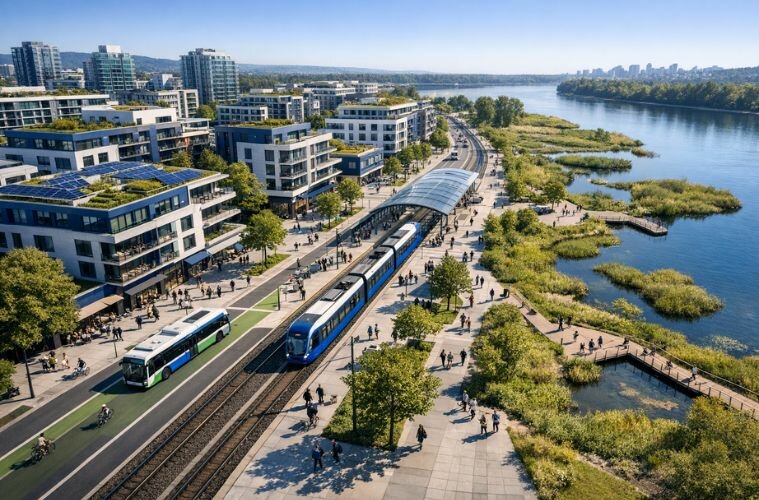
C40 Cities and UN-Habitat's Urban Planning Accelerator launched at the World Urban Forum with 33 cities committing to compact, climate-responsive development by 2035.
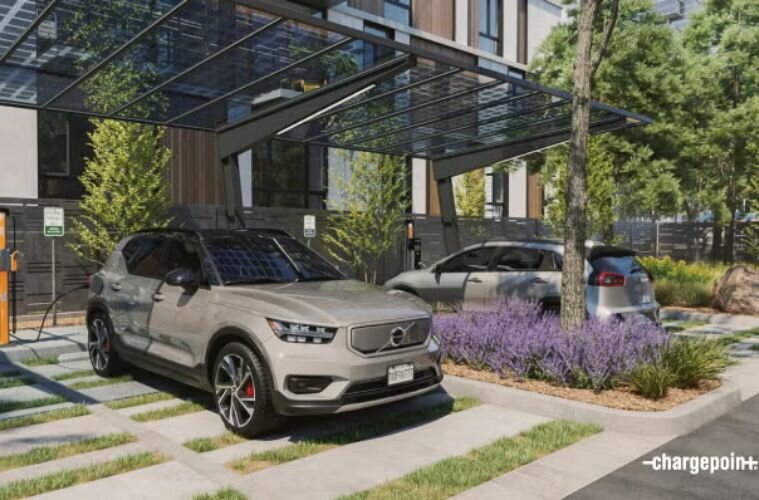
ChargePoint and OBE Power will deploy 2,500 EV charging ports at multifamily housing in 2026, closing a charging access gap that affects millions of apartment-dwelling EV drivers across North America.
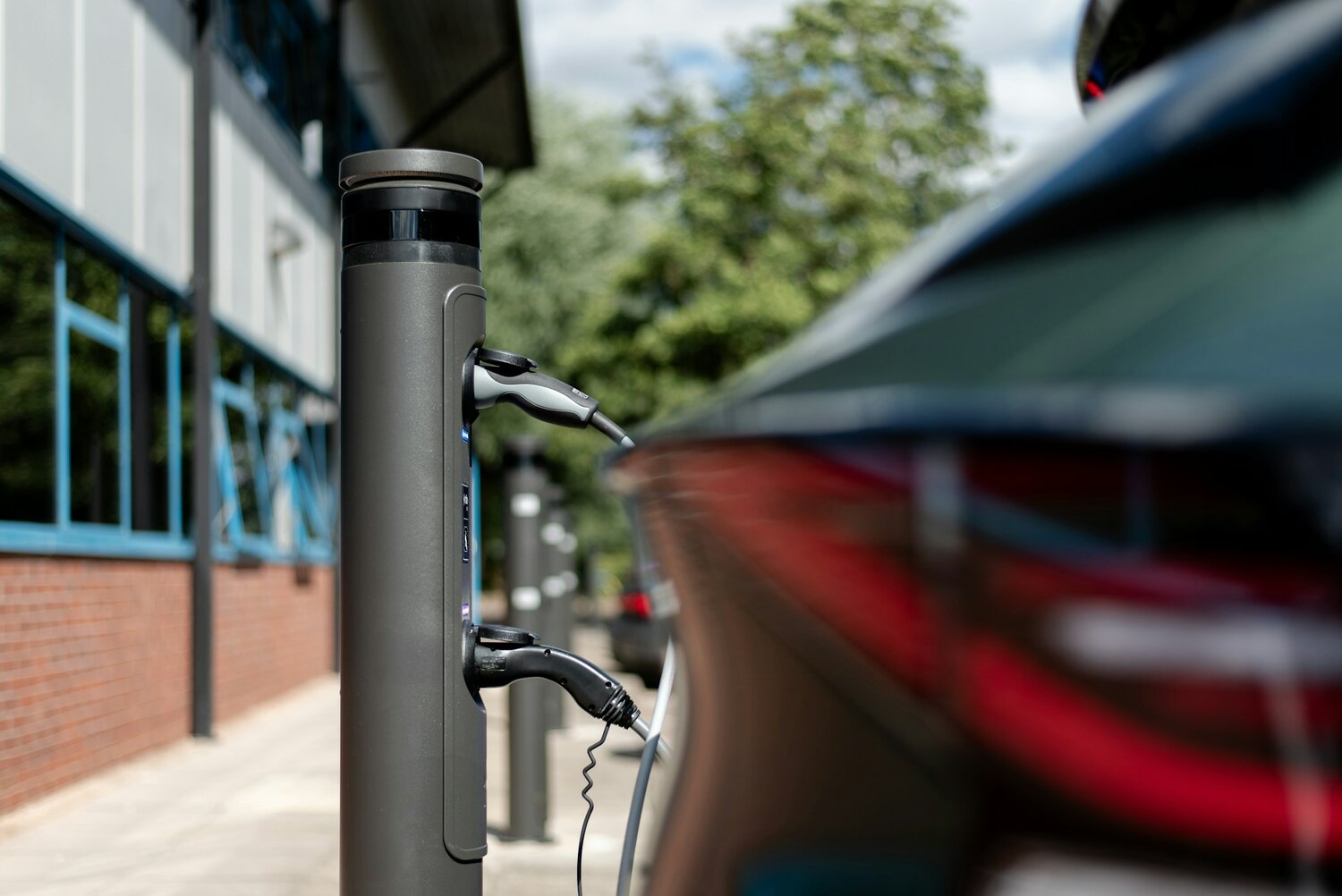
InstaVolt is using battery storage to cut grid pressure and support faster EV charging. The move could help operators grow while connections lag.

UHERO's 2026 Housing Factbook documents declining condo prices, surging insurance premiums, and new FEMA flood map changes arriving in June that will raise carrying costs further.

Zelestra’s 6.5 MWdc Ginosa plant is now online in Puglia. The project links clean power with continued farming, a long-term PPA and student training.

Western households are leading energy program adoption. Clearer rates and stronger customer education could help utilities turn interest into grid value.
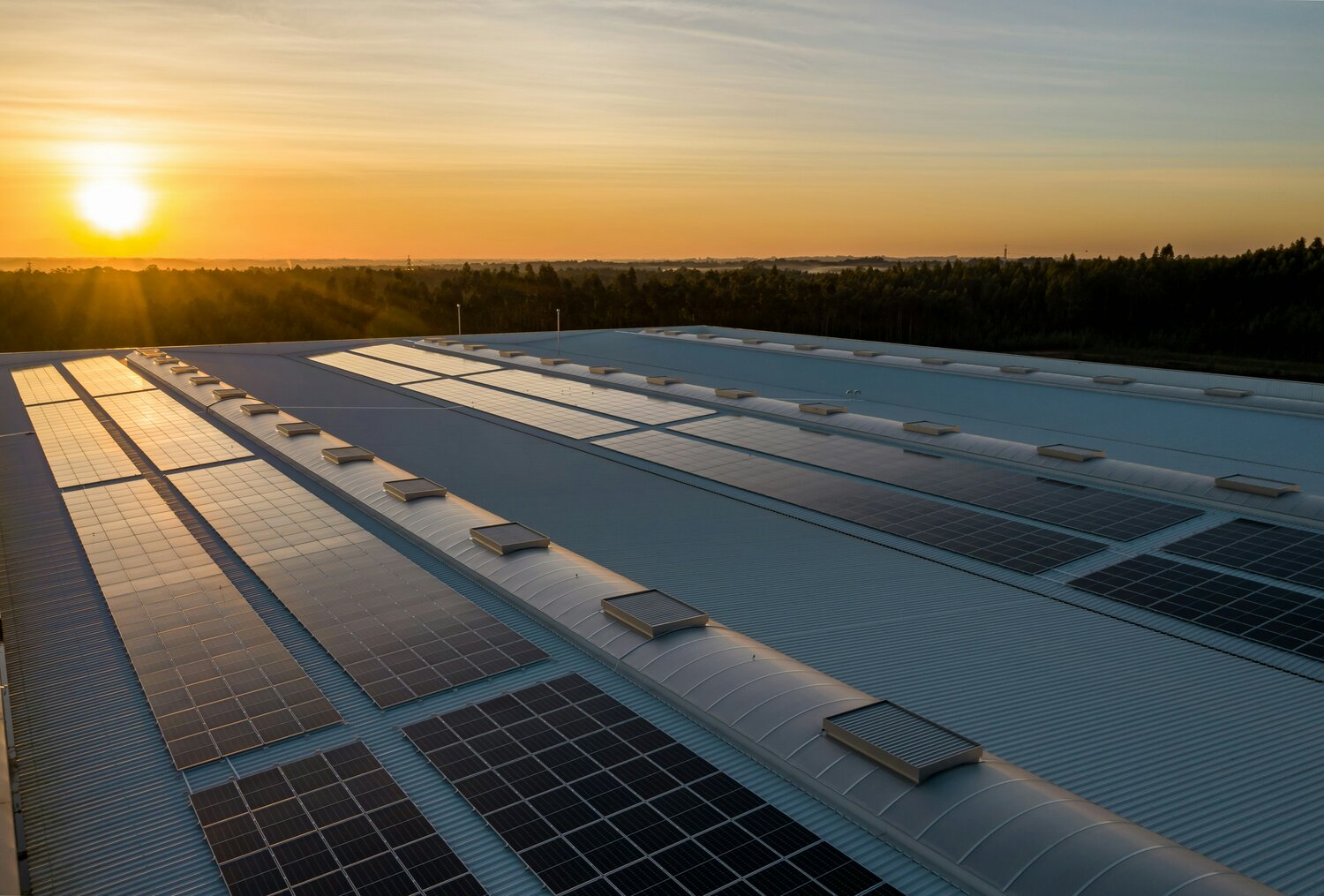
ISO New England's 2026 CELT Report adds its first behind-the-meter battery forecast and flags a winter peak timing problem tied to heat pump adoption growth through 2035.

Ohio SB 103 is now law, letting natural gas utilities offer alternative rate plans to large industrial users consuming over 1.2 million Mcf annually.

Minnesota SF4504 would allow customers to install small plug-in solar devices without utility interconnection agreements, fees, or approval. Here is what the provision covers.

A new class of small wind turbines is challenging long-held assumptions about where distributed wind energy works.

Home batteries are now earning income by supplying energy to the grid during peak demand. Programs in Maine highlight their growing role in grid stability.

A major convention center doubled solar output without expanding space. Thousands of retired panels were reused, cutting waste and supporting local users.

Experts at CMU Energy Week debated whether DERs are ready to help utilities manage surging electricity demand from data centers, electrification, and reshoring.

Grid constraints aren't only about regions that need more power. States generating surplus renewable energy they can't export face a different but equally real access problem.
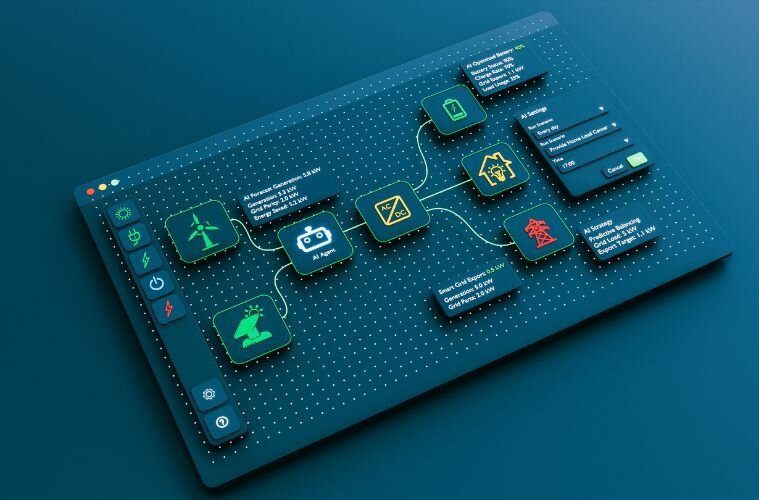
The EU's AccelerateEU plan responds to the Strait of Hormuz closure with fuel, grid, and clean energy actions that affect companies with European operations.

Two solar projects in the Midwest add 200 MW of new capacity. Utility and corporate buyers continue to drive demand for contracted renewable energy.

North Carolina is directing $215 million to 66 water infrastructure projects, with most funds rebuilding systems damaged by Hurricane Helene.

Gas bills are rising faster than inflation, driven by infrastructure costs. Businesses face growing pressure to rethink energy strategy.

Spokane's proposed cooling ordinance would require landlords to maintain bedrooms below 80°F by 2031, building on Washington state's new portable cooling law.