

Under new EPR rules, coated paper packaging can cost more than plastic. A flawed recyclability definition may be sending brands the wrong signals.

A new method links satellite imagery to microplastic levels in the sea. It could give industries and regulators scalable, low-cost pollution tracking tools.

A national study finds PFAS in landfill gas at levels matching leachate. Air emissions may be an overlooked pathway with major regulatory impact.

A new DOE-backed partnership between South Dakota Mines and Idaho National Laboratory is using AI and waste heat recovery to reduce the energy demands of biomass drying.

A new UC Riverside facility converts ag and forest waste into dissolving pulp using cleaner chemistry. The CELF process cuts energy use and toxic byproducts.

Nanoplastics don't just float—they deliver toxic tire chemicals like 6PPD into fish tissues. The result? Greater damage to eyes, vision, and aquatic ecosystems.

Sappi’s CDP Forests A score highlights how credible sustainability data is increasingly used to support procurement, investment, and regulatory decisions.

Water is now a strategic risk, not just a utility. A new index from Ecolab and CDP offers companies a way to measure and manage water use with real benchmarks.

Plastic pallets are seeing wider adoption as logistics teams prioritize durability, hygiene, and automation compatibility amid tightening supply chain conditions.

American Resources’ EMCO has begun receiving 2026 shipments of end-of-life lithium-ion batteries, supporting domestic preprocessing and refining of critical battery materials.

The UK’s vape ban cut disposables, but fire risks are rising. Rechargeable vapes, often binned with charge, are igniting in trucks and recycling sites.

Britain's first rare earth magnet plant in decades opens in Birmingham. The site recycles tech waste into low-carbon magnets for EVs, wind turbines, and more.

Hydrogen from sunlight just got cheaper. A Chalmers team has replaced platinum with plastic nanoparticles, opening a path to scalable, clean hydrogen production.
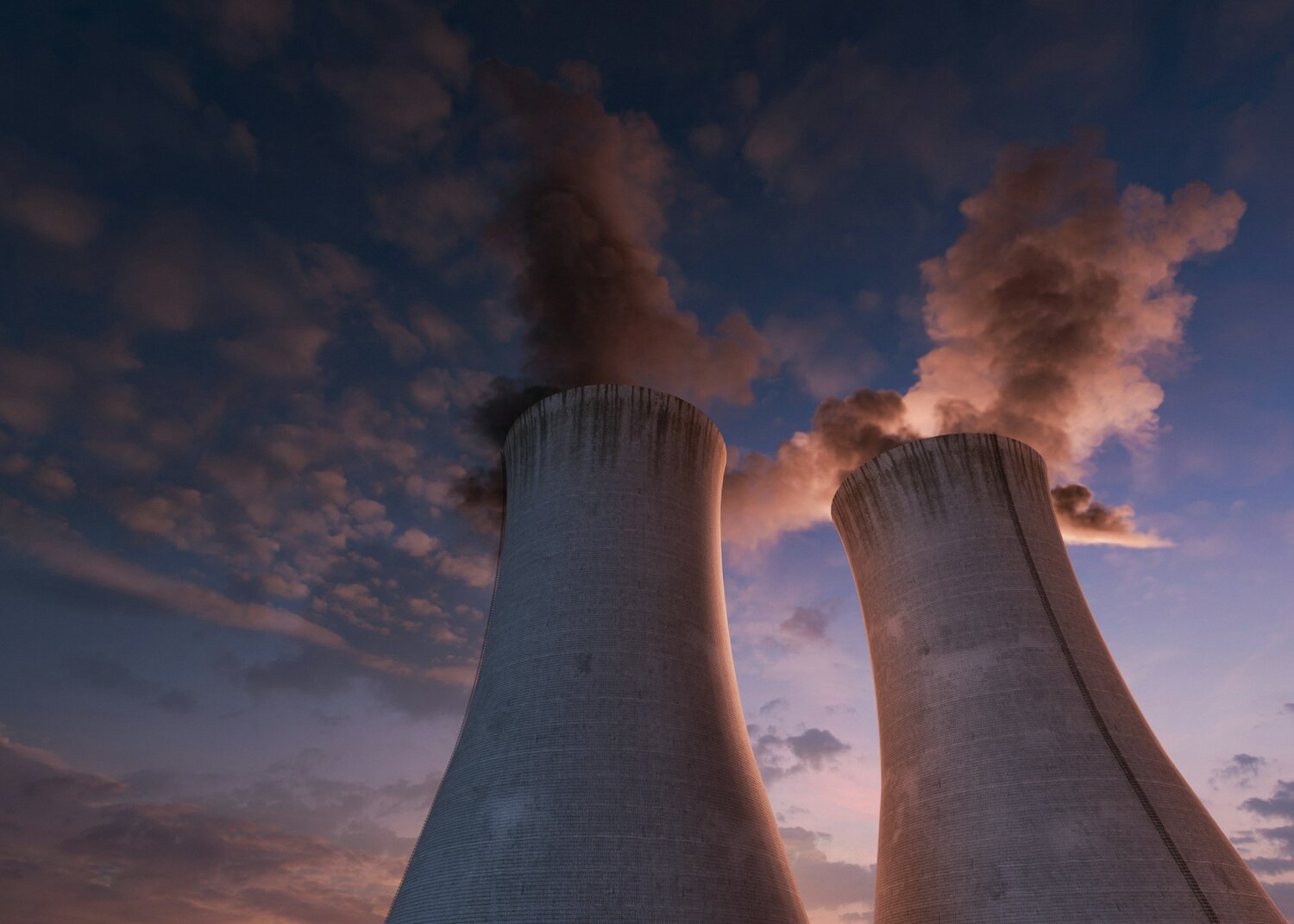
Denison’s Phoenix project is on track for a 2026 construction start. With major planning complete, it could be Canada’s next uranium mine by 2028.

New research reveals how microplastics are altering water chemistry—reshaping environmental risk management stakeholders.

Agilent has opened an India refurbishment center delivering certified pre-owned lab instruments, supporting circular economy goals, affordability, and sustainable science.

UNCW has fully eliminated plastic from residential dining takeout. A new stainless steel system is cutting waste, saving costs, and boosting student engagement.

Albuquerque’s treecycling program diverts organic waste, reduces methane emissions, and provides free mulch for residents while supporting erosion control efforts.

Peak Performance’s R&D Helium Loop Anorak shows how dissolvable stitching, recycled nylon, and automated disassembly could redefine circular outdoor apparel.

Lethbridge completes Alberta’s first curbside battery pickup, collecting 3,000 kg and setting a new benchmark for accessible, community-driven recycling programs.