
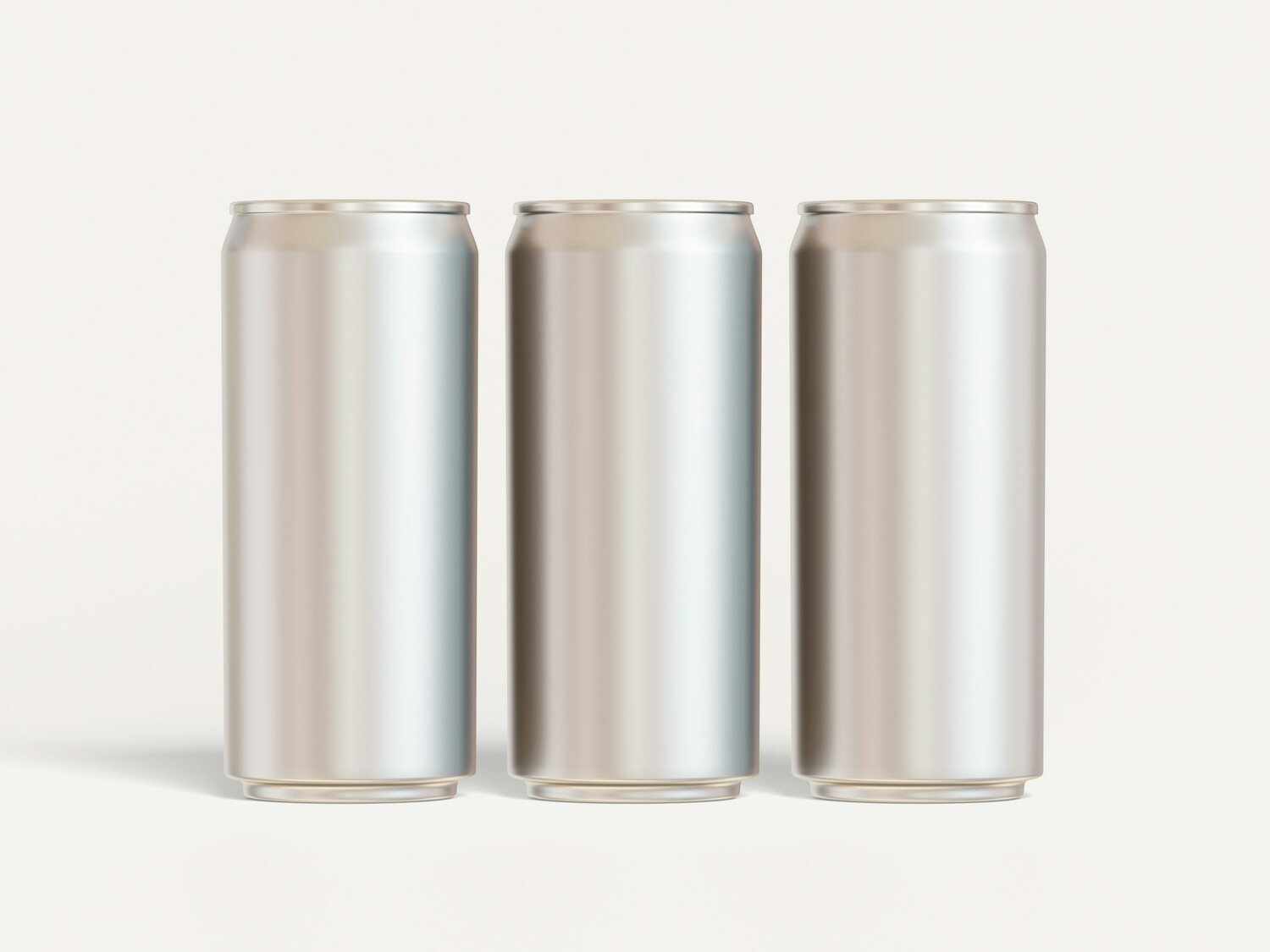
Canovation and CANPACK are preparing CanReseal for pilot-line use. The project tests whether resealable aluminum cans can fit existing production.

USEFULL has launched its first senior living reuse program at The Glen. The model replaces disposable takeout boxes with tracked steel containers.
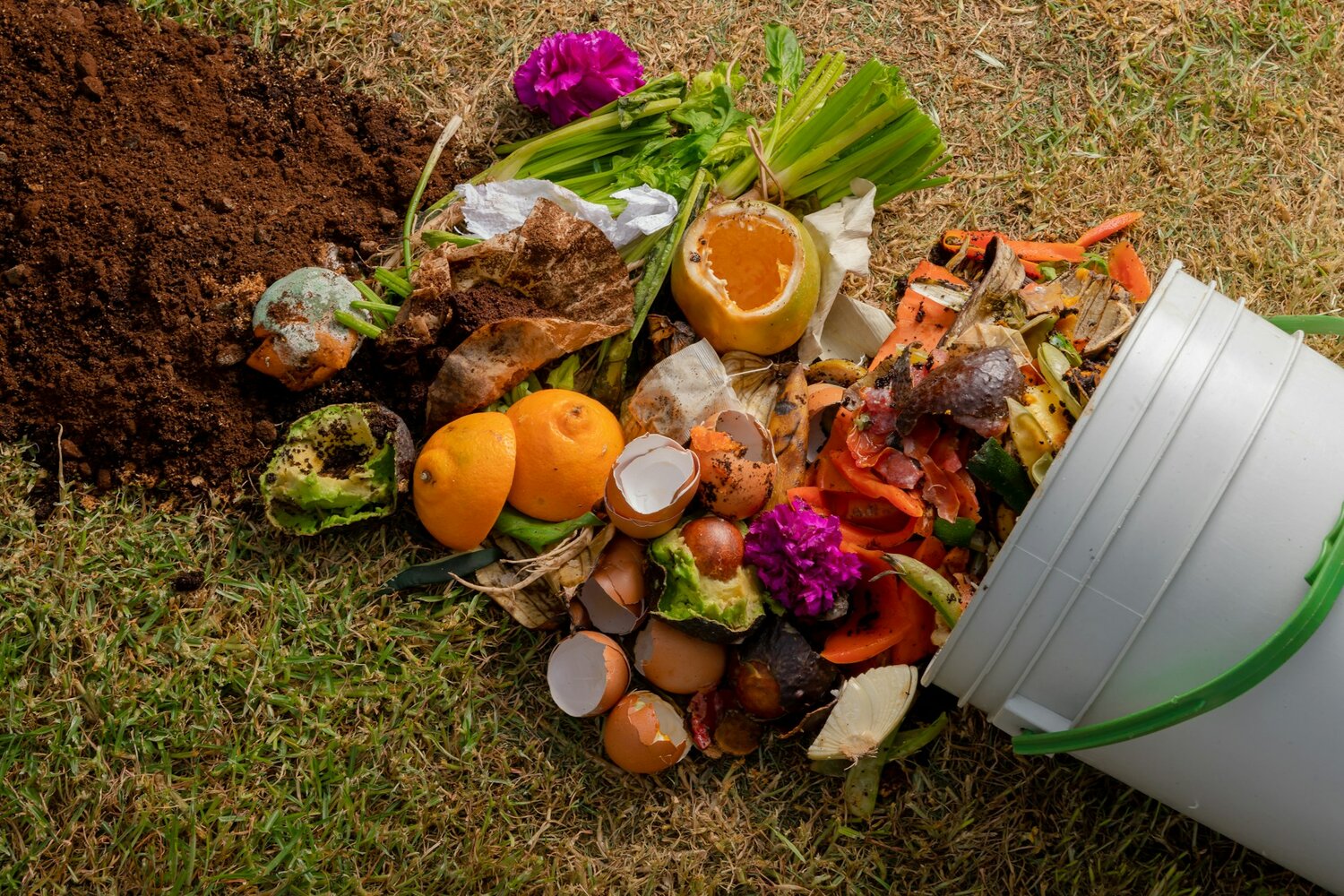
Waste is moving from disposal cost to business asset. Circular systems can turn plastics, sludge and organics into energy, materials and resilient supply chains.

GAIA BioMaterials has gained European patent approval for PLA-free film materials. The compounds target compostable bags, aprons and other flexible uses.

Tornado damage put Wynne’s wastewater system under pressure. Its rebuild highlights how recovery can support stronger, lower-maintenance infrastructure.

ABTC’s Nevada recycling facility posted record revenue and positive gross margin. The quarter shows early traction, though expansion risks remain.

A new electrified cement process could cut energy use and emissions. Using waste cement as feedstock, UBC researchers report a possible circular route.

A Utah-Japan pilot will test tungsten recovery from old mine tailings. The project could support cleaner critical mineral supply chains.

Nine Florida schools earned Melbourne's 2026 ECO School Awards for integrating sustainability, conservation, recycling, and habitat programs into campus life and community engagement.

Crab shell waste may help control how bioplastics degrade in seawater. The approach could improve durability while supporting circular material use.

The GHG Protocol's Land Sector and Removals Standard takes effect January 2027. Its carbon opportunity cost methodology could significantly alter how biomass emissions are reported.
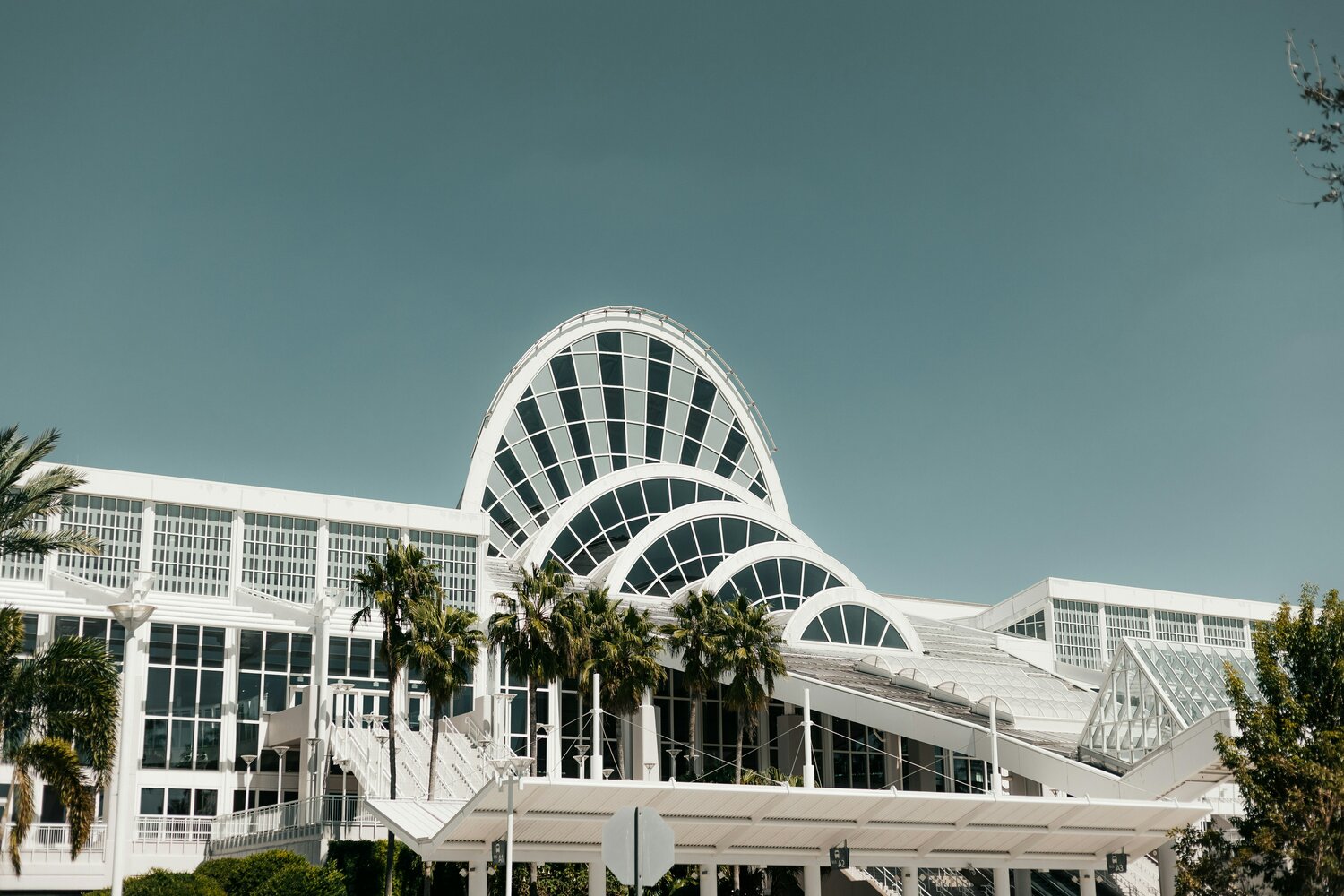
A major convention center doubled solar output without expanding space. Thousands of retired panels were reused, cutting waste and supporting local users.

Water risk is now immediate for U.S. businesses. Contamination, rising demand, and uneven regulation are turning supply into a daily operational challenge.

UNSW's new $5 million research hub aims to prevent a supply chain crisis by tackling Australia’s fast-approaching solar waste problem and accelerating recycling infrastructure.

Heat-tolerant enzymes are moving closer to industrial use. New structural insights show how proteins can stay stable and active in extreme conditions.

Food waste is shifting from an unavoidable loss to a controllable cost. Restaurants are using recycling and diversion to improve margins.

ABB’s South Carolina site shows how legacy facilities can modernize efficiently. Solar, data, and phased upgrades cut energy use without slowing output.

New research shows U.S. recycling rates hinge on infrastructure access, not intent—reshaping how companies measure sustainability performance.

Water is no longer an operational input. It is a constraint on capital deployment. And unlike energy, it cannot be substituted, hedged, or easily relocated once a facility is built.

Closed Loop Partners acquired Sutter Metals this week in its first metals investment. The deal reflects growing pressure to build domestic supply chains for critical materials.