

Kimberly-Clark is testing hesperaloe as a potential tissue fiber. The move could reduce wood-pulp use while adding a new option to its supply chain at scale.

Sweden opened a consultation on national PFAS rules for clothing, cosmetics and cookware starting 2028, ahead of a broader EU restriction still under review.

Consumer Reports detected no PFAS above its threshold in 18 baby wipe brands. No federal standard requires manufacturers to test or disclose PFAS content in personal care products.

A 900,000-gallon white liquor tank implosion at Nippon Dynawave's Longview mill killed 11 workers on May 26. Federal investigators are on site as scrutiny mounts over the facility's safety record.

A class action against No. 7 Beauty shows how the consumer price premium for sustainable products is becoming a litigation exposure for companies making unqualified environmental claims.

China’s zero-tariff policy for African imports removes barriers, but infrastructure, financing, and production gaps may limit real trade transformation.

Imerys completes its SustainAgility 2025 program, exceeds emissions targets tied to financing, and launches a new 2030 sustainability roadmap.

Nanoplastics don't just float—they deliver toxic tire chemicals like 6PPD into fish tissues. The result? Greater damage to eyes, vision, and aquatic ecosystems.

Sappi’s CDP Forests A score highlights how credible sustainability data is increasingly used to support procurement, investment, and regulatory decisions.

Minnesota’s new PFAS rule requires manufacturers to report intentionally added PFAS by July 1, 2026, with detailed product data, fees, and annual updates.

New Jersey’s PFAS bills tighten product bans while granting fire departments a one-year foam extension, reshaping compliance for municipalities and industry.

Stepan and AmphiStar form an exclusive EMEA partnership to expand access to low-carbon, upcycled biosurfactants for Home Care and I&I cleaning markets.
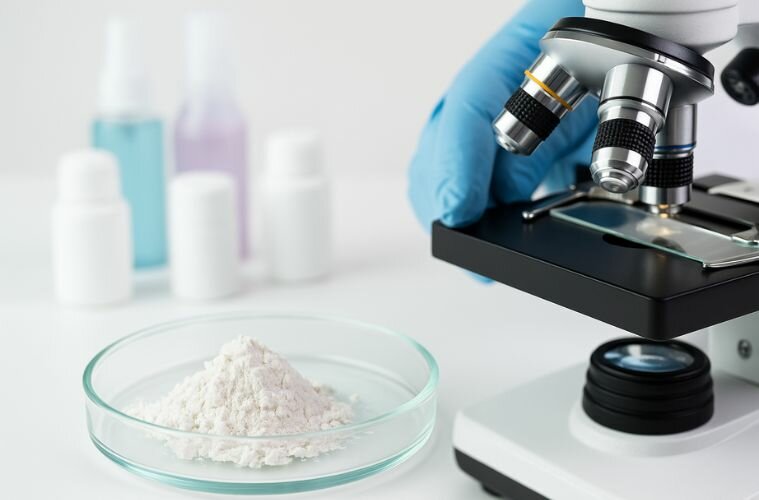
FDA has withdrawn its proposed talc asbestos testing rule after reviewing 49 comments, citing technical, legal, and definitional concerns. A new MoCRA rule is planned.

Family Laundry’s solar-powered EV fleet reduces costs and emissions while advancing Oakland’s equitable climate goals with community partnerships.

University of Newcastle awards $30,000 to five teams developing solutions to cut waste, reuse materials, and advance circular economy practices.

The Dedham-Westwood Water District won $4.9M from 3M over PFAS pollution. It’s part of a growing push to shift cleanup costs back to chemical makers.

California passes AB 823 to extend its microbead ban to glitter, non-rinse-off cosmetics, and cleaning products, closing gaps in microplastic regulation.

Extended Producer Responsibility laws expand across states, reshaping ESG strategies and compliance as companies prepare for 2030 climate goals.

Samsara Eco opens its first plant in Australia, scaling enzymatic recycling to produce low-carbon circular materials for apparel, packaging, and automotive.

Silence hurts brands. Sharing credible sustainability stories boosts demand, reduces risk, and builds loyalty. See why product transparency is now a growth driver.